
British Island Woman Isolates After Hantavirus Exposure

A woman quarantines on Pitcairn Islands following potential hantavirus contact from a virus-affected vessel. Health officials confirm no symptoms present.
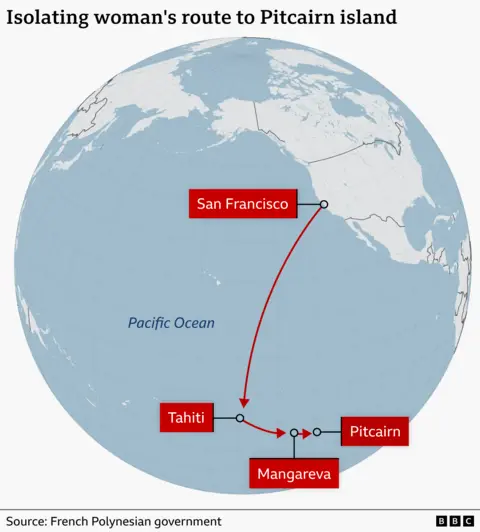
A woman currently residing on Pitcairn Islands, a remote British Overseas Territory in the South Pacific, has begun isolation procedures following potential exposure to hantavirus from a virus-affected maritime vessel. The precautionary measure comes as health authorities implement strict protocols to prevent disease transmission to the island's small and isolated population. According to the official statement released by the Pitcairn Islands government, the woman is displaying no clinical symptoms of illness at this time, though medical monitoring will continue throughout her quarantine period.
The incident highlights the unique challenges faced by remote island communities when managing public health concerns. Pitcairn Islands, located approximately 3,000 miles from New Zealand and hosting fewer than 50 residents, maintains strict biosecurity measures due to its geographic isolation and limited medical infrastructure. Any potential infectious disease outbreak could prove catastrophic for such a small and vulnerable population. The government's swift response to isolate the individual demonstrates the serious approach authorities take toward protecting community health in these isolated territories.
Hantavirus is a serious infectious disease that can be transmitted through contact with infected rodents or contaminated materials. The virus has been identified on various vessels over recent years, particularly those engaged in international trade or long-distance voyages where rodent infestations may occur. Transmission to humans typically occurs through inhalation of aerosolized virus particles or direct contact with infected animal droppings. Given the severity of potential hantavirus infection and its case fatality rate in certain circumstances, health officials have implemented appropriate precautionary measures.

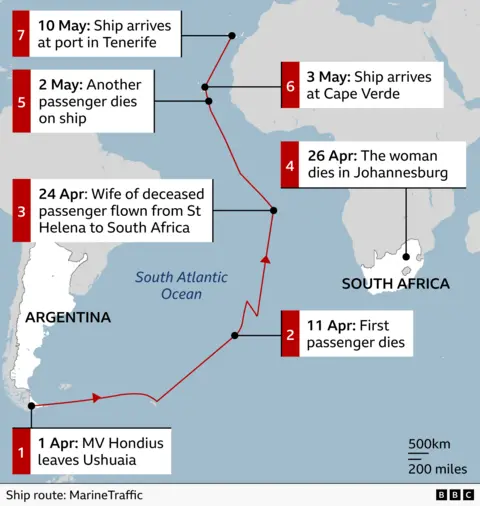
The woman in question was aboard a vessel that had documented hantavirus cases or contamination before arriving near Pitcairn Islands' territorial waters. Maritime health protocols require vessels with confirmed or suspected disease outbreaks to report their status to relevant authorities and implement containment measures. In this case, the potential exposure was identified, and appropriate notification to local health authorities enabled rapid implementation of protective measures. The isolation protocol allows medical personnel to monitor the individual's health status while preventing any potential spread to the island's limited resident population.
Pitcairn Islands, famous for its historical significance as the settlement location of the HMS Bounty mutineers, faces unique health and logistical challenges due to its extremely remote location. The territory receives limited maritime traffic, and most supplies and personnel arrive via infrequent connections to larger Pacific ports. Medical facilities on the island are minimal, with serious cases typically requiring evacuation to New Zealand for comprehensive treatment. These factors make disease prevention and early containment particularly critical for the island's health security strategy.
The Pitcairn Islands government statement emphasized that current quarantine procedures being followed are consistent with established public health protocols and international standards for managing potential infectious disease exposure. The individual is receiving appropriate support during the isolation period, including regular health assessments and access to communication with family and support networks. Health officials will continue monitoring the individual's condition throughout the quarantine duration, with the timeline dependent on established medical guidelines for hantavirus incubation periods.
This incident underscores the broader challenges that maritime industries and island communities face in managing infectious disease risks in an increasingly connected world. Commercial shipping, fishing vessels, and cruise ships all present potential vectors for disease transmission, particularly when traveling between ports in regions with different disease burdens. International maritime health regulations require vessels to maintain certain sanitation standards and report health incidents, but the practical implementation of these measures across diverse global shipping operations remains inconsistent. Enhanced surveillance and reporting systems help coastal communities and island territories receive early warning of potential disease threats.
Public health officials across the Pacific region have intensified their focus on infectious disease monitoring and rapid response capabilities in recent years. The COVID-19 pandemic demonstrated how quickly diseases can spread globally and how vulnerable isolated island communities can be to disease introduction. Many Pacific territories, including Pitcairn Islands, have invested in improving their health surveillance infrastructure, training personnel, and developing rapid response protocols. These investments proved valuable in this situation, enabling swift identification and appropriate response to potential hantavirus exposure.
The British government, as the responsible authority for Pitcairn Islands as a Crown Dependency territory, ensures that appropriate health resources and guidance are available to support the island administration. Regular communication between island health authorities and regional health organizations helps ensure that current best practices and emerging health threats receive appropriate attention. The UK Foreign, Commonwealth and Development Office maintains oversight of health and welfare matters on the territory and provides technical support when requested by local administrators.
For the broader Pitcairn Islands community, the swift public communication from government authorities has helped maintain public awareness without generating unnecessary alarm. Transparency about health concerns and the measures being taken builds community trust in government institutions. The population, accustomed to the practical realities of island living and its inherent challenges, generally supports the cautious approach taken by health authorities when addressing potential threats to community wellbeing.
Looking forward, this incident will likely inform ongoing discussions about health security preparedness for small island territories and remote communities. The experience provides valuable data about response coordination, resource allocation, and inter-agency communication in managing potential health emergencies. As global travel continues to increase and climate change potentially alters disease vectors and geographic ranges, maintaining robust health security systems becomes increasingly important for vulnerable populations. The Pitcairn Islands government, like other small island administrations throughout the Pacific, remains committed to comprehensive health protection strategies that safeguard community wellbeing while enabling appropriate connection to the wider world.
Source: BBC News

