
British Jews Fear Rising Antisemitism and Safety Concerns

Community leaders express deep concerns as antisemitic incidents surge, including arson attacks on synagogues and worries about children wearing religious symbols publicly.
The British Jewish community is experiencing unprecedented anxiety and concern following a troubling surge in antisemitic incidents that have left many families questioning their safety and sense of belonging. Community leaders have issued stark warnings about the climate of fear that has gripped the nation's Jewish population, particularly in the wake of the October 7th attacks and subsequent regional conflicts that have intensified existing tensions and prejudices.
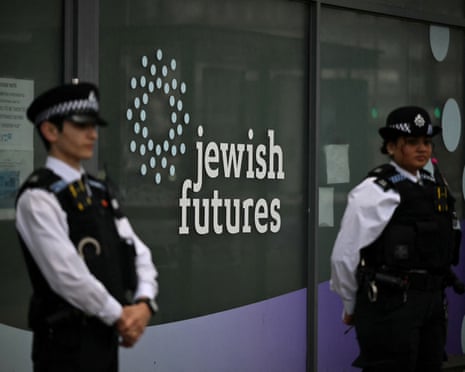
Over the past several weeks, there has been a deeply alarming series of arson attacks targeting Jewish sites across the United Kingdom, with multiple incidents occurring in rapid succession. These attacks have included attempted arsons at two prominent synagogues in London, as well as a serious incident at a building utilized by the respected charity organization Jewish Futures. The escalation of violence represents a dramatic shift in the nature and severity of threats facing the community, moving beyond harassment and intimidation into the realm of direct physical attacks on vital community institutions.
In a particularly disturbing incident on March 23rd in north London, four Jewish community ambulances—vehicles that serve critical emergency medical functions for members of the community—were deliberately set ablaze during the early morning hours. These emergency vehicles represent essential services that many vulnerable members of the community depend upon, making their destruction not only a symbolic act of aggression but also a practical threat to community welfare and safety.
The rising tide of antisemitism in Britain has created a climate of fear that extends far beyond the immediate targets of violent attacks. Community leaders report that families are now making difficult decisions about whether their children should openly display religious symbols such as the Star of David, kippot (head coverings), or other visible markers of Jewish identity when in public spaces. This erosion of the ability to freely practice and display one's faith without fear represents a fundamental challenge to the principles of religious freedom and community cohesion that democratic societies are meant to protect.
Parents have expressed anguish over the prospect of their children becoming targets for harassment or violence simply by visibly identifying as Jewish. The psychological impact of this reality cannot be overstated—children are being taught to hide aspects of their identity for their own safety, a troubling development that reflects the depth of the current crisis. This concern is not merely theoretical or exaggerated; it stems from documented cases of harassment, assault, and intimidation that have occurred across multiple communities and settings.
The recent incidents represent a significant escalation from previous patterns of antisemitic behavior and expression. While the community has long dealt with verbal abuse, social media harassment, and institutional discrimination, the deliberate targeting of buildings and vehicles with incendiary devices represents a new and more dangerous threshold. The security threats facing Jewish institutions have prompted many synagogues and community centers to significantly enhance their protective measures, including increased security personnel, surveillance systems, and restricted access protocols.
The timing of these escalations, beginning in earnest following the October 7th attacks and subsequent Middle Eastern conflicts, has left many in the British Jewish community feeling abandoned and unsupported by broader society. While some political leaders and organizations have condemned the attacks, community voices express frustration that the response has not been sufficiently forceful or widespread. Many feel that Jewish community safety has not been treated with the urgency and resources that similar threats to other vulnerable groups might receive.
Community organizations have been working overtime to provide support to affected families and to coordinate security measures across multiple institutions. Jewish community centers have established emergency protocols, enhanced communication networks to alert members to potential threats, and begun offering counseling and psychological support services to those traumatized by recent events. These proactive measures, while necessary, also underscore the reality that the community feels it must largely fend for itself in ensuring its own protection.
The broader societal context for this rise in antisemitic violence and harassment is complex and multifaceted. Analysts and community researchers point to multiple contributing factors, including the resurgence of far-right extremist movements that have historically targeted Jewish communities, the exploitation of Middle Eastern conflicts by various groups to promote anti-Jewish sentiment, and the amplification of hateful content through social media platforms. The intersection of these various forces has created a particularly toxic environment for Jewish life and practice in Britain.
Legal experts and civil rights organizations are calling for stronger law enforcement responses to antisemitic hate crimes and for prosecutors to pursue the most serious charges available in cases of arson and violence. They argue that these incidents should be treated as acts of terrorism or organized hate violence, rather than as isolated criminal acts, and that the legal system must respond with appropriate gravity and resources. The investigation into these incidents is ongoing, with police appealing for witnesses and information from the public.
The psychological and emotional toll on the British Jewish community extends well beyond those who have been directly targeted by violence. The pervasive anxiety about safety, the constant need to assess risk before engaging in normal activities like attending religious services or wearing visible symbols of faith, and the concern for children's wellbeing in schools and public spaces has created a climate of stress and hypervigilance. Mental health professionals working with the community report increased rates of anxiety, depression, and trauma-related symptoms among both children and adults.
Looking forward, community leaders are calling for a comprehensive response that includes stronger law enforcement action against hate crimes, education initiatives to combat antisemitism in schools and society more broadly, and greater support for community security infrastructure. They emphasize that protecting the Jewish community's ability to practice their faith openly and safely is not merely a Jewish issue, but a fundamental test of whether democratic societies can truly protect the rights and safety of all their citizens, regardless of religion or ethnicity.
The current moment represents a critical juncture for British society. The question of whether the Jewish community will be able to continue living openly and safely in the United Kingdom, practicing their faith without fear and raising their children with confidence in their place in society, hangs in the balance. The response of government, law enforcement, civil society, and the broader public in the coming weeks and months will send a powerful message about the nation's commitment to religious freedom, community safety, and the protection of vulnerable minorities from violent extremism and hatred.
Source: The Guardian


