
British Steel Nationalisation: What Went Wrong?

Keir Starmer's government plans full state ownership of British Steel. We examine what led to this controversial decision and what's next for the Scunthorpe plant.
The future of British Steel has entered a dramatic new chapter as Prime Minister Keir Starmer announced plans for full nationalisation of the troubled manufacturing facility. This unprecedented intervention marks a pivotal moment in British industrial policy, signaling the government's commitment to preserving critical national infrastructure. The decision comes after years of financial instability, ownership disputes, and concerns about the long-term viability of one of Britain's most iconic steelworks.
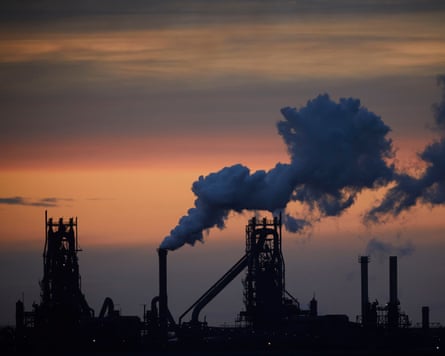
Located in Scunthorpe, the British Steel plant operates with four massive blast furnaces that bear the names of British queens: Anne, Bess (Elizabeth), Victoria, and Mary. These industrial titans have symbolized British manufacturing prowess for generations, standing as monuments to the nation's industrial heritage. However, in recent years, these same furnaces have become emblems of a struggling industry facing unprecedented challenges from global competition, environmental regulations, and volatile energy markets.
During a major speech on Monday, Prime Minister Starmer declared that "strong nations in a world like this need to make steel," presenting the nationalisation plan as essential to Britain's economic sovereignty and strategic interests. The prime minister's remarks emphasized the strategic importance of domestic steel production for national security and economic resilience. His statement reflected growing concerns about relying on foreign suppliers for critical materials essential to manufacturing, construction, and defense sectors.

The path to this moment reveals a complex saga of industrial decline, ownership changes, and mounting financial pressures. British Steel has faced decades of challenges stemming from structural changes in the global steel market, rising production costs, and the shift away from heavy manufacturing in developed economies. The plant, which once employed thousands of workers and served as the backbone of Scunthorpe's economy, has struggled to remain competitive in an increasingly challenging market environment.
The steelworks crisis intensified when Chinese conglomerate Jingye Group acquired the facility in 2020 following its collapse under previous ownership. Jingye's investment initially offered hope for stability and modernization, but the company faced mounting financial difficulties amid soaring energy costs and reduced demand. Global supply chain disruptions and inflationary pressures have made operations increasingly unprofitable, forcing the question of whether private ownership could sustain such capital-intensive industrial operations.
Energy costs have emerged as perhaps the most critical factor undermining the facility's economic viability. Steel production is exceptionally energy-intensive, and the dramatic rise in electricity and natural gas prices in recent years has made European manufacturing increasingly uncompetitive compared to regions with lower energy costs. These structural disadvantages have made it difficult for any private operator to maintain profitability while preserving employment levels and productive capacity.
The government intervention represents a significant departure from decades of neoliberal economic policy that prioritized privatization and market-driven solutions. However, growing recognition of strategic vulnerabilities in domestic manufacturing capacity has prompted a reconsideration of the state's role in maintaining critical industries. This shift reflects broader concerns about supply chain resilience, particularly following pandemic-related disruptions and geopolitical tensions that have exposed dependencies on foreign suppliers.
Labour's commitment to steel industry preservation also reflects its political base and ideological commitments to supporting traditional manufacturing regions. Scunthorpe has been economically dependent on the steelworks for over a century, and the plant employs thousands of workers whose livelihoods depend on its continued operation. The symbolic importance of rescuing a historic British manufacturer from foreign ownership carries significant weight in communities where industrial heritage remains central to local identity and pride.
The practical mechanics of nationalisation legislation will require navigating complex questions about compensation for Jingye Group and determining the plant's operational structure under public ownership. Government officials must balance fair treatment of existing investors with fiscal responsibility and the need to establish a viable long-term business model. These negotiations will likely prove contentious and require careful consideration of legal frameworks governing foreign investment and property rights.
The future operational model presents equally substantial challenges. A state-owned steelworks must address fundamental questions about profitability, production targets, and environmental compliance. The government will need to determine whether to continue full-scale production, implement efficiency measures, or pursue strategic partnerships with private operators. Additionally, heavy investment in modernization and decarbonization may be necessary to ensure the facility meets increasingly stringent environmental standards and maintains competitiveness in the evolving global market.
Environmental considerations have become inseparable from discussions about steel manufacturing's future. The industry faces mounting pressure to reduce carbon emissions and transition toward more sustainable production methods. This transformation requires substantial capital investment in new technologies, including electric arc furnaces and alternative energy sources. Government ownership could facilitate these green investments through subsidies or preferential financing arrangements unavailable to private operators struggling with profitability.
International trade implications cannot be overlooked in assessing the nationalisation decision. World Trade Organization regulations and trade agreements may impose constraints on how heavily governments can subsidize or protect domestic steel producers. China's subsidized steel industry has fundamentally altered global market dynamics, and British policy responses must operate within international frameworks while attempting to preserve domestic capacity and employment.
The announcement also served as a demonstration of political resolve during a period when Starmer's leadership faced internal party challenges and scrutiny over his government's policy direction. By embracing this decisive action on a symbolically important issue, the prime minister sought to project strength and demonstrate commitment to communities that have historically supported Labour. This political calculation underscores how industrial policy decisions often intertwine with broader political strategy and leadership dynamics.
Looking forward, success will ultimately depend on whether British Steel nationalisation can reverse decades of decline and position the facility for long-term viability. This requires not only securing government financial support but also modernizing production capabilities, investing in workforce development, and identifying sustainable markets for output. The challenge extends beyond simply preventing closure to creating a genuinely competitive operation that can thrive within a rational business framework.
The coming weeks and months will reveal how the government plans to operationalize this commitment and address the practical complexities of transforming a struggling private operation into a successful public enterprise. The announcement represents more than a response to immediate crisis; it reflects fundamental questions about the state's appropriate role in maintaining strategic industries and whether government ownership offers a viable path forward for British manufacturing. The decisions made in the coming period will significantly impact not only Scunthorpe's future but also broader perceptions of Britain's commitment to preserving its industrial base.
Source: The Guardian


