
Brown Questions Prince Andrew's Costly Trade Envoy Role

Former PM Gordon Brown reveals he questioned Prince Andrew over 'unacceptable costs' as trade envoy in 2008, calls for police probe into public funds use.
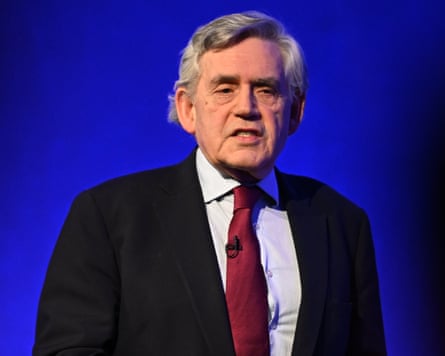
Gordon Brown has made significant revelations regarding his concerns about Prince Andrew's expenses during his tenure as a trade envoy, shedding new light on financial oversight issues that plagued the royal's official role. The former prime minister disclosed that he took direct action in 2008 to address what he characterized as unacceptable costs associated with the prince's extensive travel and related expenditures while representing the United Kingdom in business development initiatives.
In a candid statement, Brown explained that he instructed a colleague from the business department to formally question Mountbatten-Windsor about the mounting travel expenses that had raised red flags within government circles. This intervention represented one of the first documented instances of senior political leadership directly challenging the financial practices associated with the prince's official duties, highlighting growing concerns about fiscal responsibility and public funds management.
The revelation comes as part of ongoing scrutiny surrounding the prince's various roles and responsibilities over the past two decades. Brown's disclosure demonstrates that concerns about Andrew's spending patterns were recognized at the highest levels of government during the New Labour administration, yet formal action appeared limited at the time.

Brown has now called upon law enforcement authorities to expand their investigative scope to encompass a comprehensive examination of how public funds were utilized during the prince's period as a trade representative. This appeal to police represents an escalation in accountability measures and suggests that the former premier believes the financial irregularities warrant formal criminal investigation, not merely administrative review or internal inquiry.
The former prime minister's comments carry substantial weight given his previous position as the nation's chief executive and his direct involvement in overseeing government spending and ministerial conduct during that era. His willingness to speak publicly about these matters indicates that concerns about the prince's expenses were sufficiently serious to warrant intervention at the prime ministerial level, rather than being handled solely through standard departmental procedures.
Throughout his role as trade envoy—a position he held from 2001 to 2011—the prince undertook numerous international trips and business-related activities intended to promote British commercial interests globally. However, the costs associated with these endeavors, including flights, accommodation, and related logistics, reportedly escalated significantly and attracted periodic scrutiny from government auditors and officials responsible for monitoring public expenditure.
The business department's oversight of trade envoy operations traditionally involved monitoring expenses against established budgets and ensuring compliance with civil service regulations governing official travel and entertainment costs. According to Brown's account, the financial discrepancies associated with Mountbatten-Windsor's activities exceeded acceptable parameters, prompting the intervention that occurred during his premiership.
Brown's decision to pursue this matter demonstrates the type of fiscal discipline that was supposedly maintained within the New Labour government, although critics have suggested that the approach may have been insufficiently rigorous when dealing with members of the royal family. The fact that a colleague was tasked with raising these concerns, rather than Brown doing so directly, suggests there may have been diplomatic sensitivities in addressing financial issues involving the prince.
The timing of Brown's disclosure—coming many years after the events in question—raises questions about why such concerns were not pursued with greater vigor or publicized more explicitly at the time they occurred. Government records and departmental files from that period might shed additional light on the nature and extent of the objections that were raised and the responses that were received from the prince's office.
Police investigations into matters involving members of the royal family present unique procedural and jurisdictional challenges, particularly when substantial time has elapsed since the events in question. However, Brown's explicit call for law enforcement to examine the utilization of public funds could provide investigators with a clear direction and political backing for expanding their inquiry into financial matters that might otherwise remain confined to administrative or civil service reviews.
The prince's role as trade envoy was intended to leverage his royal status and personal connections to facilitate business relationships and commercial opportunities for British enterprises. However, the substantial costs required to support international travel, official entertaining, and associated activities frequently became a source of tension between the benefits of such promotional activities and the financial burden imposed on taxpayers.
Brown's intervention in 2008 appears to have been prompted by a formal review or reporting mechanism that flagged the prince's expenses as exceeding normal parameters. The decision to have a departmental colleague raise these concerns rather than addressing them through more formal channels suggests that government officials were attempting to balance legitimate financial oversight with appropriate deference to the royal's status.
The broader implications of Brown's statements extend beyond the specific financial questions about the prince's trade envoy activities. His call for police involvement signals a shift toward more rigorous accountability standards and suggests that former government officials believe the original review of these expenses may have been insufficiently thorough or conclusive.
As public discourse continues to evolve regarding the appropriate use of government resources and the standards to which members of the royal family should be held, Brown's willingness to discuss these historical matters publicly contributes to a larger conversation about government accountability and fiscal responsibility. His statement underscores the principle that no individual, regardless of status, should be exempt from legitimate questions concerning the expenditure of public funds.
The investigation that Brown is calling for could potentially uncover documentary evidence, communications, and financial records that would clarify the specific nature of the expenses in question and the justifications that were offered for their magnitude. Such an inquiry might also examine whether established guidelines and spending limits were properly enforced and whether appropriate oversight mechanisms existed during the relevant period.
Source: The Guardian


