
Burnham Rules Out EU Return, Pledges Domestic Focus

Andy Burnham vows not to reverse Brexit, emphasizing domestic priorities in first speech since announcing Makerfield byelection campaign.
Andy Burnham, the prominent mayor of Greater Manchester, has made clear his political position on one of the most divisive issues in British politics in recent years. In a significant statement, Burnham declared that he will not attempt to return the United Kingdom to the European Union, rejecting what he views as a counterproductive approach to the nation's future direction.
Speaking at a key moment in his political career, Burnham articulated his vision for national progress, arguing that Britain would find itself trapped in perpetual conflict if the country remained fixated on Brexit-related debates. His comments come at a crucial time, representing a clear positioning within the Labour Party on how to move forward from the contentious EU membership question that has dominated British politics since the 2016 referendum.
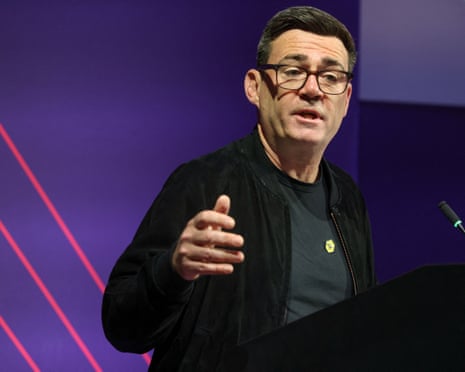
The Greater Manchester mayor delivered these remarks during his first major address following his announcement to contest the Makerfield byelection seat. This speech served as an important opportunity to outline his political priorities and vision for constituents he hopes to represent in Parliament. Burnham's commitment to stepping away from Brexit controversies signals a deliberate shift toward pragmatic governance focused on domestic challenges.
"Let's fix our own country. Let's get it working again. Let's get it back to where people want it to be," Burnham declared, emphasizing a relentless domestic focus as his governing philosophy. This statement encapsulates his broader argument that the nation must move past the divisive EU membership question and concentrate on tangible improvements to citizens' lives and the economy.
The timing of Burnham's comments carries particular significance within the broader context of Labour Party politics and national discourse. As the party navigates its position on UK-EU relations and seeks to rebuild public confidence following recent political turbulence, figures like Burnham play a crucial role in shaping the narrative around where the party stands on key issues. His explicit rejection of attempts to reverse Brexit suggests a pragmatic approach that acknowledges the 2016 referendum result while advocating for forward momentum.
Burnham's position also reflects the challenges facing Labour as it attempts to unite different wings of the party and appeal to diverse electoral constituencies. By explicitly ruling out EU return attempts, he signals to both Leave voters and those concerned about continued EU debate that the party is focused on delivering real improvements rather than relitigating past referendums. This approach aims to depolarize discussions around Britain's relationship with Europe and redirect political energy toward domestic priorities.
The Makerfield byelection campaign provides Burnham with a platform to articulate this vision directly to voters. The byelection itself has drawn significant national attention, with the contest attracting scrutiny from political observers across the spectrum. Burnham's decision to enter the race represents a significant political development, signaling his ambitions and his belief that he can contribute meaningfully to parliamentary affairs alongside his role as mayor.
Throughout his tenure as mayor of Greater Manchester, Burnham has developed a reputation for focusing on local issues including economic development, public health, transport infrastructure, and social inequality. His emphasis on a "relentless domestic focus" aligns with his track record of prioritizing tangible improvements over abstract political debates. This consistency suggests his parliamentary campaign will emphasize similar themes of practical governance and delivering results for constituents.
The political context surrounding Burnham's statement involves broader questions about how Labour Party leadership should address the legacy of Brexit and the nation's relationship with Europe going forward. Different Labour figures have taken varying positions on these matters, and Burnham's clarity on this issue helps establish his particular approach within the party hierarchy. His stance suggests he believes the party's electoral prospects depend more on demonstrating competence in addressing bread-and-butter issues than on reopening EU membership debates.
In declaring that Britain would be "stuck in a permanent rut if we're just constantly arguing" about EU relations, Burnham articulates a psychological and political argument about national progress. His framing suggests that continued debate over whether to rejoin the EU would represent a failure of political leadership and would distract from the genuine work of governance. This argument resonates with many voters across the political spectrum who express frustration with what they perceive as endless political disputes.
The byelection announcement itself has significant implications for Burnham's political future and his relationship with national Labour leadership. His decision to contest the seat while maintaining his role as mayor represents an ambitious dual role that few British politicians undertake simultaneously. This choice demonstrates his confidence in his ability to manage both responsibilities and suggests his long-term political ambitions extend beyond local administration into Westminster politics.
Observers of British politics have noted that Burnham's approach on the EU issue may help him appeal to constituents in areas like Makerfield, which voted to leave the EU in 2016. By explicitly ruling out attempts to reverse that decision, he signals respect for voter choices and a commitment to moving forward rather than relitigating past results. This positioning could prove electorally advantageous in constituencies where EU membership remains a sensitive political topic.
The substance of Burnham's speech extends beyond his EU statement to encompass a broader vision for national renewal and competent governance. His emphasis on "getting the country working again" suggests a focus on economic productivity, employment opportunities, and restoring public confidence in institutions and political processes. These themes align with Labour's broader campaign messaging and reflect priorities that polling data suggests resonate with voters across demographic groups.
As Burnham campaigns for his parliamentary seat, his speeches and policy positions will continue to receive significant media attention and scrutiny. His early emphasis on moving beyond Brexit disputes and focusing on domestic priorities establishes a clear framework for how he intends to conduct his campaign and, should he win, how he might approach his work as a Member of Parliament. This messaging strategy suggests a politician confident in his ability to appeal to voters on the basis of competence and practical results rather than ideological positioning on divisive historical issues.
The combination of Burnham's local government experience, his national political profile, and his clear positioning on key issues creates an interesting political dynamic heading into the Makerfield byelection. His explicit rejection of EU return attempts, delivered in his first major speech since announcing his candidacy, signals a politician willing to take clear positions on contentious matters while emphasizing unity and forward momentum. As the campaign progresses, voters will have the opportunity to evaluate whether his vision for a domestically focused, pragmatic approach to governance aligns with their own priorities and expectations for political leadership.
Source: The Guardian


