
Burnham's Green Alliance Sparks Labour Row

Andy Burnham faces criticism from Labour MPs after appearing at progressive rally with Greens and Lib Dems during local election campaign.
Greater Manchester's prominent mayor has ignited considerable tensions within Labour ranks following his decision to share the stage with leading figures from the Green Party and Liberal Democrats at a high-profile progressive event. The appearance has drawn sharp criticism from multiple Labour MPs who contend that his participation undermines the party's carefully crafted messaging during the crucial local election campaign period.
Andy Burnham, who has emerged as one of the most frequently mentioned potential successors to current party leader Keir Starmer, is scheduled to deliver remarks at the Change:Now event organised by Compass, a left-leaning pressure group that advocates for progressive policies across the political spectrum. The event represents a deliberate coalition-building effort among parties and groups that share common ground on various policy matters.
The decision to participate alongside representatives from other political parties has generated considerable friction within Labour's parliamentary contingent. Multiple MPs have privately expressed their concerns that such cross-party collaborations risk fragmenting Labour's electoral narrative during a period when the party is working intensively to consolidate support and secure gains in local council seats across the country.
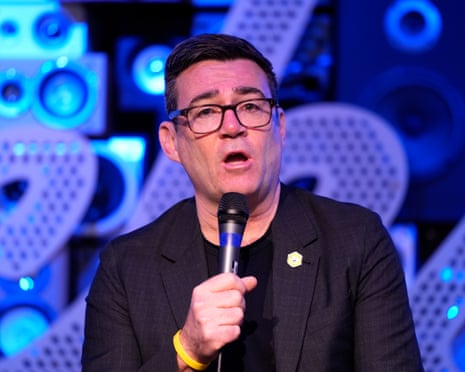
Burnham's political positioning has long been noteworthy within Labour circles, combining his tenure as Greater Manchester mayor with an increasingly visible national profile. His administration of the northern metropolitan county has generated significant media attention, particularly regarding his advocacy for devolved powers and increased regional funding from central government. This track record has led political commentators and party insiders to frequently speculate about his ambitions for higher office within Labour's leadership structure.
The progressive rally at Change:Now appears designed to forge a common platform among left-leaning and centre-left political forces, bringing together constituencies that traditionally occupy different spaces on the British political landscape. By convening representatives from Labour, the Greens, and the Liberal Democrats, organisers hope to demonstrate the existence of a substantial progressive majority among the British electorate that transcends narrow party boundaries.
Critics within Labour argue that such high-visibility collaborative events during an active election campaign send confusing signals to voters about party identity and partisan commitment. They worry that the appearance of working seamlessly with rival parties could dilute Labour's distinctive policy messages and undermine efforts to win over swing voters who remain undecided between the major parties.
The tension between traditional party loyalty and broader progressive coalition-building has become an increasingly prominent theme in British politics. Burnham's decision to participate in the Change:Now event encapsulates this broader debate about whether progressive forces should maintain strict party separation or actively collaborate across established political boundaries. The apparent contradiction between these approaches has crystallised around his specific participation at this moment.
Sources close to Labour's campaign operations have suggested that the timing of Burnham's appearance is particularly awkward, coming as the party attempts to communicate a unified campaign message emphasising Labour's distinctive vision for local governance and national policy implementation. Campaign strategists argue that clarity about party differentiation becomes crucial during electoral periods when voters make decisions based on competing party platforms.
The local election campaign itself has already generated significant strategic considerations for Labour's leadership team under Starmer. The party is endeavouring to translate recent polling advantages into actual council seat gains, requiring consistent messaging and disciplined party coordination across regional organisations and individual constituency campaigns. Any perception of fractured party messaging or divided loyalty can undermine these carefully calibrated electoral strategies.
Burnham's profile as a potential future leader adds another dimension to the controversy. Within Labour circles, senior figures are acutely aware that those positioning themselves as potential challengers to the current leadership face particular scrutiny regarding their loyalty and commitment to party messaging. Actions that could be interpreted as establishing an independent power base or cultivating relationships outside traditional party structures can be viewed with suspicion by those committed to the current leader's vision.
The Change:Now initiative itself represents a substantial intellectual and organisational effort to articulate a progressive political agenda that extends beyond any single party's platform. Compass has invested considerable resources in developing policy proposals and building relationships among practitioners and theorists from across the progressive political spectrum. The organisation views such events as essential opportunities to demonstrate the viability and appeal of cross-party progressive cooperation.
Political observers have noted that the controversy highlights persistent tensions within British progressive politics regarding strategy and coalition-building. Some argue that rigid adherence to party boundaries prevents the emergence of the broader coalitions necessary to challenge conservative political dominance effectively. Others contend that strong party discipline and clear partisan messaging remain essential for electoral success and effective governance.
The reaction from Labour MPs suggests that views on this question remain decidedly mixed within the party. While some members view cross-party progressive collaboration as potentially strengthening the overall anti-conservative movement, others see such efforts as undermining Labour's distinctive brand and electoral competitiveness. This fundamental disagreement about strategy has shaped responses to Burnham's decision to participate in the Change:Now event.
As the local elections approach, the controversy surrounding Burnham's appearance appears likely to generate additional scrutiny of how Labour figures navigate the balance between party loyalty and broader progressive coalition politics. The episode underscores how individual politicians' decisions about event participation and public positioning can generate significant internal party tensions, particularly during crucial electoral periods when campaign message discipline becomes paramount.
Source: The Guardian


