
Burnham's Uphill Battle: Reform Threat in Makerfield

Andy Burnham faces a challenging byelection in Makerfield as Reform UK surges with over 50% local election support. Labour's future hangs in balance.
The political landscape in the northwest is undergoing a significant transformation, with Andy Burnham, the prominent Greater Manchester mayor, facing what insiders describe as an increasingly precarious path to victory in the upcoming Makerfield byelection. Senior Labour figures close to Burnham have privately expressed concern about the magnitude of the challenge ahead, signaling that this particular electoral contest may prove far more competitive than traditional party loyalists might expect. The byelection has assumed outsized importance within Westminster circles, with many political analysts arguing that the outcome could have profound implications for the trajectory of Labour's fortunes and the broader political direction of the United Kingdom.
Burnham, who has built a formidable political profile as the mayor of Greater Manchester over recent years, is widely expected to receive formal confirmation as Labour's official candidate for the north-west constituency within the coming days. However, the confidence that typically accompanies such endorsements has been tempered by a sobering reality: the electoral landscape in Makerfield has shifted dramatically in ways that present genuine obstacles to his campaign. Close associates of the Labour figure have emphasized that he is entering this contest without the comfortable margins of victory that his previous electoral successes might have suggested were achievable.
The primary threat to Burnham's prospects comes from Reform UK, the political party led by Nigel Farage, which has demonstrated remarkable electoral momentum in the region. The party's performance in recent local elections was particularly striking, capturing more than 50% of the total vote in Makerfield—a result that shocked many traditional political observers and underscored the scale of voter realignment occurring across England. This substantial showing has positioned Reform UK as a formidable competitor in the upcoming byelection, rather than merely a protest vote or fringe phenomenon.

The policy positioning of Reform UK's campaign strategy is expected to concentrate heavily on two interconnected themes that have driven the party's recent electoral gains: immigration and the continuing aftermath of Brexit. These issues have demonstrated considerable salience among voters in constituencies like Makerfield, where working-class communities have expressed frustration with both the implementation of post-Brexit policies and concerns about demographic change. Reform UK's messaging is likely to amplify these grievances, positioning the party as the authentic voice of communities feeling left behind by the political establishment.
Polling data available to senior Labour strategists paints a picture far more challenging than the one that Burnham's party might have anticipated just months earlier. Current surveys suggest that the Labour candidate maintains only a marginal lead over Reform UK's candidate, if he maintains a lead at all depending on the specific methodology employed. Some internal party assessments have suggested that the race is effectively too close to call with any degree of certainty, creating genuine anxiety within Labour ranks about whether their candidate can mobilize sufficient support to secure victory. The psychological impact of these polling findings cannot be understated, as they suggest that the traditional Labour stronghold status of Makerfield may no longer be guaranteed.
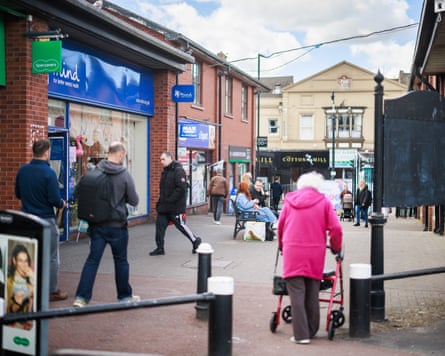
The challenge facing Labour's electoral prospects in this particular constituency reflects broader trends visible across England's traditionally Labour-supporting regions. Working-class constituencies that have voted Labour for generations have become increasingly receptive to Reform UK's messaging, particularly on issues relating to national identity, immigration policy, and economic disruption. This represents a fundamental realignment in British electoral politics, with profound implications for how political parties must understand and respond to voter concerns in post-industrial communities.
Burnham's campaign will need to address these voter concerns head-on rather than relying on historical voting patterns or the strength of his personal brand. The mayor has built a reputation for championing working-class interests and has been vocal in advocating for better treatment of the northwest within national political discourse. However, translating these accomplishments into electoral support when facing the specific messaging of Reform UK will require a sophisticated campaign strategy that directly engages with voter anxieties rather than dismissing them as illegitimate. The campaign team will need to demonstrate why Labour offers better solutions to the problems that are driving voters toward Reform UK.
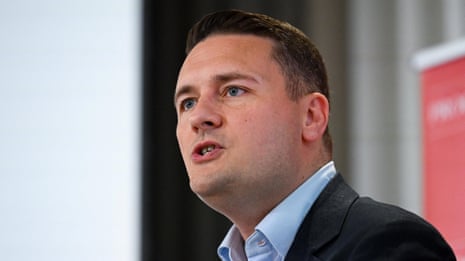
The broader context of this byelection extends beyond the immediate local battle in Makerfield to encompass fundamental questions about Labour's ability to defend its traditional geographic base. If Burnham were to lose this seat—a scenario that some political analysts no longer consider unthinkable—it would represent a symbolic and substantive defeat for the party. Conversely, a victory, even if achieved with a reduced majority, would demonstrate Labour's capacity to hold ground against Reform UK's advance and would provide crucial momentum heading into future electoral contests.
The timeline for the byelection campaign is compressed, with Burnham's formal candidacy confirmation expected imminently. This means that the intensive phase of campaigning will commence almost immediately, leaving little time for either side to adjust strategy based on early responses from voters. Every decision about message, resource allocation, and campaign tactics will carry heightened significance given the narrow margins apparently separating the candidates in current polling.
Political observers across the spectrum recognize that the Makerfield byelection carries implications that extend far beyond a single parliamentary seat. The result will be scrutinized as a barometer of voter sentiment regarding Labour's leadership, the party's responsiveness to working-class concerns, and the extent to which Reform UK's surge represents a temporary phenomenon or a more permanent realignment in British electoral politics. For Burnham personally, securing victory would reinforce his standing as one of Labour's most electorally formidable figures, while defeat would significantly complicate his future political trajectory within the party hierarchy.
The coming weeks will test whether traditional party structures and the personal appeal of established political figures remain sufficient to overcome the electoral momentum that Reform UK has generated. The stakes for all involved—from Burnham's political career to Labour's ability to defend its heartlands to the broader direction of British politics—could hardly be higher. This byelection will provide one of the most revealing measures of the contemporary state of British electoral politics and the genuine depth of voter appetite for political change.
Source: The Guardian


