
Burnham vs Reform in Makerfield Byelection Showdown

Andy Burnham faces Reform UK's Robert Kenyon in crucial Makerfield byelection. The high-stakes contest could reshape British politics for years to come.
Andy Burnham, the prominent Labour politician and Mayor of Greater Manchester, is set to face an unprecedented electoral challenge in the upcoming Makerfield byelection, where he will square off against Reform UK's Robert Kenyon. This contest, scheduled for next month, represents far more than a routine parliamentary race—political analysts across the spectrum believe the outcome could fundamentally alter the trajectory of British politics for years to come, with implications that extend well beyond the constituency itself.
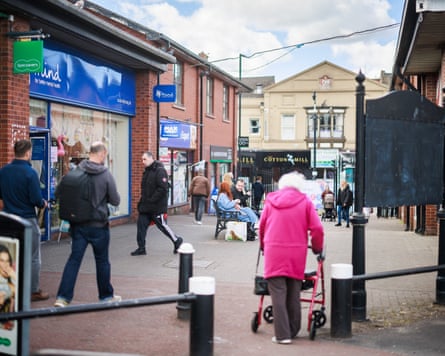
The Makerfield constituency, located just outside the industrial town of Wigan in Greater Manchester, has become a focal point for national political attention. The byelection has captured headlines due to the prominence of Burnham as one of Labour's most visible figures and his role as Mayor of Greater Manchester, combined with the rising electoral momentum of Reform UK, the populist party that has disrupted traditional two-party politics in recent election cycles. The seat's working-class demographic and historical voting patterns make it a critical test of where political allegiances are shifting among traditional Labour supporters.
Reform UK is positioning Kenyon as the authentic voice of working people, contrasting his background and approach with what the party characterizes as Burnham's establishment political career. Kenyon, who works as a plumber and serves as an army reservist, brings a distinctly different profile to the campaign. The Reform candidate previously contested the Makerfield seat during the 2024 general election, giving him name recognition and established connections within the local community. Reform's messaging centers on the narrative of a genuine local champion taking on a career politician who they argue is leveraging his position for personal advancement.

The timing of this byelection carries significant weight in the broader political landscape. It emerges during a period when British politics is experiencing notable realignment, with traditional party loyalties eroding among certain voter demographics. Reform UK's success in recent electoral contests has demonstrated their ability to appeal to voters who feel abandoned by establishment parties, particularly on issues relating to immigration, economic policy, and perceived Westminster disconnection from ordinary people's concerns. The Makerfield byelection will serve as a bellwether for whether this electoral realignment continues to accelerate or begins to plateau.
Burnham's political career has been marked by his efforts to champion the interests of northern England, particularly through his role as Mayor of Greater Manchester, where he has negotiated significant funding agreements with central government and positioned himself as a voice for devolved regional power. However, his opponents argue that his focus on broader mayoral responsibilities has diverted his attention from his constituency duties, creating an opening for a challenger who can claim to be entirely focused on local representation. This narrative will undoubtedly feature prominently in Reform UK's campaign messaging throughout the byelection period.
The 2024 general election results in Makerfield provided crucial context for understanding the current byelection dynamics. While Labour retained the seat, the margin of victory and the performance of Reform UK candidates nationally suggested that traditional Labour support in former industrial constituencies was becoming increasingly fragile. The strength of Reform's showing across the "Red Wall"—the cluster of traditionally safe Labour seats in the Midlands and North—indicated that voters in these communities were actively considering alternatives to Labour, making Makerfield a genuine battleground.
The byelection campaign will likely revolve around core themes that resonate with Makerfield's electorate. Economic concerns, including cost of living pressures, employment opportunities, and the viability of local industries, will feature prominently. Immigration and national identity issues, where Reform UK has consistently positioned itself as more hardline than established parties, are also expected to dominate campaign discourse. Additionally, questions about regional investment, transport infrastructure, and healthcare provision will likely emerge as local priorities that both candidates must address.
Both campaigns will invest significant resources into the Makerfield race, recognizing its importance as a test case for broader political trends. Labour will seek to defend the seat while demonstrating that Burnham remains a strong local representative deserving of continued parliamentary representation. Reform UK will attempt to capitalize on their momentum and prove that they can win seats in traditional Labour heartlands, potentially triggering a broader realignment of the British electoral landscape. The outcome will provide invaluable data for all major parties assessing their strategies heading into future elections.
The byelection also highlights the broader tensions within British politics regarding representation, authenticity, and the connection between elected officials and their constituents. Kenyon's positioning as a working tradesperson and military reservist appeals to voter preferences for candidates perceived as closer to ordinary life experiences rather than career politicians. This reflects a pattern visible across multiple democracies where voters express skepticism toward professional political classes and gravitate toward outsider candidates they perceive as less compromised by Westminster culture.
The stakes could hardly be higher for both the individuals involved and the broader political future of Britain. If Burnham and Labour succeed in retaining the seat, they can claim that their core support remains resilient and that Reform UK's electoral ceiling may be lower than some observers anticipated. Conversely, if Reform UK manages to seize the Makerfield seat, it would represent a watershed moment in British politics, demonstrating that the party can translate their protest vote into actual parliamentary representation, potentially triggering a significant realignment of the political landscape.
As the campaign unfolds over the coming weeks, all eyes will be on how both campaigns navigate the complex political terrain of a shifting electorate. The Makerfield byelection has evolved from a routine parliamentary contest into a consequential moment that will likely influence political strategy, party positioning, and voter behavior for years to come. Whether Burnham's established political profile and mayoral track record prove sufficient to overcome the populist challenge from Reform UK, or whether Kenyon's outsider status and local credibility prevail, remains one of British politics' most compelling questions heading into this crucial electoral test.
Source: The Guardian


