
Cabinet Ministers Warn MPs Against Ousting Starmer

Labour leadership faces potential challenge after poor election results. Cabinet ministers warn party turmoil could follow any attempt to remove PM Keir Starmer.
The British Labour Party faces a critical moment as Cabinet ministers escalate warnings against backbench MPs who may be considering a leadership challenge following what could prove to be a damaging set of local election results. The cautionary messages from senior government figures underscore the high stakes at play and the fragile equilibrium that currently exists within the ruling party as it prepares for a crucial electoral test on Thursday.
Senior Cabinet members have made their position abundantly clear to restless Labour MPs: any coordinated effort to oust Keir Starmer from his position as Prime Minister would precipitate an unprecedented period of institutional chaos that could fundamentally damage the party's standing and derail its governing agenda. These stern warnings represent an attempt to impose party discipline and prevent the kind of internal rebellion that has historically plagued Labour during periods of electoral vulnerability.
Despite the resolute public stance emanating from the Cabinet, several senior ministers privately acknowledged to the Guardian that the atmosphere on the parliamentary backbenches remains deeply unsettled. The mood among rank-and-file Labour MPs reflects a combination of anxiety about impending electoral outcomes and frustration with the current party leadership direction. Ministers conceded that while Starmer has demonstrated unwavering determination to remain at 10 Downing Street regardless of Thursday's vote outcome, the situation remains genuinely volatile and could yet spiral into open conflict.
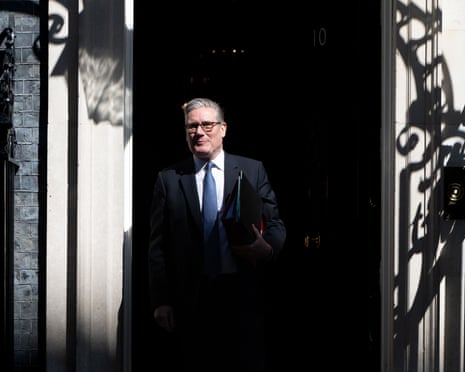
The tensions within Labour come at a particularly precarious time for the government, which faces local council elections across England that many political analysts predict could result in substantial losses. These electoral contests serve as crucial barometers of public sentiment and can significantly influence the trajectory of a governing party's political fortunes. For the Labour administration, already grappling with challenges related to governance and public perception, poor results could intensify internal pressure and embolden those questioning Starmer's leadership.
The dynamic between the Cabinet and the backbenches illustrates a classic political tension: while senior government figures have invested their careers and reputations in supporting the current Prime Minister, many backbench MPs represent constituencies where discontent with Labour policies or performance may be particularly pronounced. These MPs, facing potential electoral humiliation in their own local areas, may feel emboldened to express dissatisfaction with the party's overall direction and its leader's strategic choices.
Political observers have drawn parallels between the current situation and previous periods of Labour party instability, when disagreements between parliamentary factions threatened to undermine governmental effectiveness. The party has a complex history with internal strife, and current circumstances suggest that unless there is a significant shift in either electoral outcomes or internal party dynamics, the coming weeks could prove exceptionally challenging for party unity and cohesion.
The Cabinet's public warnings function both as a deterrent against any potential coup attempt and as a reassurance to supporters that the party's leadership remains committed to stability. By articulating the potential consequences of removing the Prime Minister, senior ministers hope to make the political cost of such an action prohibitively high. However, this strategy may prove insufficient if Thursday's election results prove catastrophic enough to convince MPs that dramatic action is necessary.
Sources within government have indicated that while Starmer maintains confidence in his political survival and has signaled no willingness to relinquish his position voluntarily, he is acutely aware of the precarious nature of his circumstances. The Prime Minister has reportedly been consulting closely with trusted advisors about potential strategies for stabilizing the party and regaining public confidence should the election results disappoint.
The broader question facing Labour is whether the party's institutional mechanisms and disciplinary procedures can adequately manage the pressures that may emerge over the coming weeks. Party whips have been instructed to maintain close contact with potentially problematic backbenchers, attempting to gauge the depth of dissatisfaction and head off any organized conspiracy before it gains momentum. These behind-the-scenes efforts represent the unglamorous but essential work of maintaining party cohesion during periods of electoral vulnerability.
Observers of British political dynamics have noted that the timing of these Cabinet warnings is particularly significant, coming as it does immediately before the local elections. The strategic message being sent is clear: party unity must take precedence over individual ambitions, and any MPs harboring thoughts about challenging the leadership should consider the consequences for both the party and themselves personally.
The situation facing Labour reflects broader challenges confronting governments across democracies: the tension between maintaining internal party discipline and responding to legitimate concerns from elected representatives and constituents. How Starmer and his Cabinet navigate these treacherous political waters over the coming weeks will likely determine not only his personal political future but also the trajectory of Labour governance for years to come. The resolve demonstrated by senior Cabinet figures in publicly warning against leadership rebellion suggests they recognize the existential stakes involved.
Source: The Guardian


