
California's $114M Wildlife Bridge Nears Completion

The world's largest wildlife crossing bridge in California is nearly finished, allowing animals to safely cross a busy 10-lane freeway despite political opposition.
Despite fierce criticism from political opponents who dismissed the initiative as wasteful spending, a monumental wildlife bridge in California is approaching its final stages of construction. The ambitious $114 million project, designed to provide safe passage for diverse animal species across one of the region's busiest thoroughfares, has become a testament to persistence in the face of controversy and skepticism from conservative commentators.
Visitors to the towering structure in the coming weeks will witness a remarkable transformation at ground level. The carefully engineered surface hosts an expansive ecosystem featuring approximately 6,000 native plants that now thrive in this unlikely location. Vibrant wildflowers such as California poppies and purple sage create a naturalistic habitat, while butterflies dance through the air and raptors like red-tailed hawks circle overhead, surveying the peaceful landscape below.
The stark contrast between the serene environment above and the relentless traffic below remains striking. Directly beneath this tranquil wildlife sanctuary, the massive 10-lane freeway processes approximately 400,000 vehicles daily, creating an intense corridor of noise and pollution that has fragmented animal populations for decades. The engineering feat required innovative solutions to create an entirely isolated ecosystem that would encourage wildlife usage while containing noise and light pollution from the highway below.

When construction commenced four years ago, the project generated considerable enthusiasm among environmental advocates and conservation groups. The initiative promised to become the largest wildlife crossing of its kind globally, fundamentally transforming how transportation infrastructure could coexist with natural migration patterns. The bridge was specifically designed to facilitate safe passage for mountain lions, bobcats, deer, lizards, and countless other species that had been isolated by the freeway's construction decades earlier.
However, the project quickly attracted scrutiny from critics on the political right, who characterized it as emblematic of government excess and wasteful environmental spending. Conservative media outlets questioned the necessity of such an expensive investment, often referring to it dismissively as a "bridge to nowhere." These critics raised concerns about the project's cost in relation to other infrastructure priorities, and some challenged the scientific evidence supporting such large-scale wildlife crossing initiatives.
Despite the relentless political pressure and public criticism, project managers and environmental agencies persisted with the construction timeline. The team maintained focus on the scientific objectives: reducing wildlife-vehicle collisions, maintaining genetic diversity in isolated animal populations, and restoring ecological connectivity across the fragmented landscape. The wildlife crossing project represented a significant investment in addressing one of the most pressing conservation challenges of the 21st century—habitat fragmentation caused by transportation infrastructure.
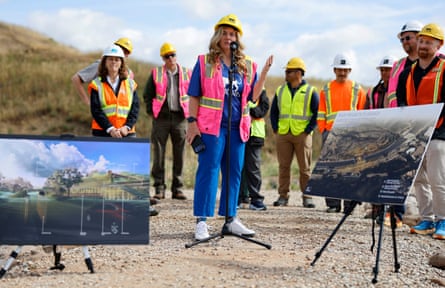
The completion of this infrastructure represents a paradigm shift in how planners and engineers approach highway development in sensitive ecological areas. Traditional approaches prioritized rapid vehicle movement without considering the cumulative impact on regional ecosystems. The California wildlife bridge demonstrates that thoughtful infrastructure design can balance human transportation needs with wildlife conservation objectives, though at considerable financial investment.
Animal ecologists working on adjacent research projects have documented significant changes in wildlife behavior patterns as construction neared completion. Preliminary studies indicate that various species have already begun testing the structure, with trail cameras capturing images of coyotes, deer, and smaller mammals exploring the new passage. These early indicators suggest that once fully opened, the bridge could substantially reduce the estimated 20,000 wildlife deaths that occur annually on this particular freeway segment.
The financial commitment behind the project remains substantial, but proponents argue that the long-term ecological and economic benefits justify the initial expenditure. Studies from other wildlife crossing projects suggest that reducing vehicle collisions with large animals can decrease highway accident rates, potentially saving lives and reducing insurance claims. Furthermore, maintaining healthy, genetically diverse populations of apex predators like mountain lions supports broader ecosystem stability and reduces human-wildlife conflicts in surrounding communities.
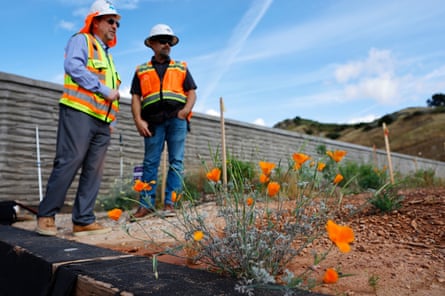
The bridge's design incorporates numerous advanced features aimed at maximizing wildlife usage while minimizing human interference. Extensive vegetation creates visual barriers that encourage animals to utilize the crossing rather than attempting to cross the freeway below. Water features and rock outcroppings provide natural territorial markers and resting spots for species accustomed to such landscapes. The engineering team also installed specialized sound-dampening materials to reduce the psychological stress that highway noise can cause to sensitive animal populations.
As the project approaches its completion date, anticipation builds within the conservation community. Environmental organizations have praised the initiative as a model for future infrastructure development in ecologically sensitive regions. Universities have requested permission to conduct long-term research on the crossing's effectiveness, with plans to track animal usage patterns over the coming decades. These studies will provide valuable data that could inform similar projects in other parts of California and beyond.
The political opposition that initially challenged the project's viability appears to have softened somewhat as completion nears. Some former critics have acknowledged the innovative engineering and scientific basis underlying the design, even if they maintain reservations about the overall cost. Local communities in the surrounding areas report cautiously optimistic attitudes about the project's potential to reduce dangerous wildlife-vehicle encounters that have claimed numerous lives both human and animal.
The opening of this wildlife crossing bridge will mark a significant milestone in conservation efforts throughout California and potentially inspire similar projects nationwide. The data gathered from this project will help scientists and engineers understand optimal designs, vegetation choices, and infrastructure features that maximize wildlife adoption of crossing structures. This knowledge base will prove invaluable as transportation planners increasingly recognize the importance of maintaining ecological corridors across human-dominated landscapes.
Looking toward the future, the success or failure of this initiative will likely influence how transportation agencies approach environmental considerations in infrastructure planning. If the bridge achieves its conservation goals and demonstrates measurable ecological benefits, it could justify the initial investment and pave the way for additional crossing projects. Conversely, if adoption rates fall short of projections, the project may face renewed criticism from cost-conscious observers questioning the efficiency of such large-scale wildlife conservation investments.
As California continues to grapple with the intersection of rapid development and environmental protection, projects like this wildlife bridge represent potential solutions to complex challenges. The structure stands as a physical manifestation of scientific thinking applied to real-world problems, and its completion marks a turning point in how one of America's most populated states manages the coexistence of human infrastructure and wildlife conservation on a landscape increasingly constrained by development pressures.


