
California Targets State Farm With Millions in Wildfire Claims Penalties

California's insurance regulator alleges State Farm violated claims handling laws during 2025 LA wildfires, seeking millions in penalties and potential license suspension.
California's insurance regulatory authority has launched a significant enforcement action against State Farm, one of the nation's largest home insurance providers, following an investigation into how the company handled claims related to the devastating 2025 Los Angeles-area wildfires. The state's insurance commissioner, Ricardo Lara, announced on Monday that the company allegedly committed numerous violations of California insurance law while processing claims from policyholders affected by the catastrophic fires that swept through the region earlier this year.
According to the investigation conducted by the California Department of Insurance, State Farm engaged in systematic violations that included delayed claims investigations and underpayment of legitimate policyholder claims across a representative sampling of cases. The regulator's analysis of 220 randomly selected claims revealed a pattern of problematic conduct that appears to have been widespread throughout the company's claims-handling operations during the crisis period. These findings suggest that thousands of other policyholders may have experienced similar issues when seeking compensation for their fire-related losses.
Commissioner Lara emphasized the severity of the violations, noting that State Farm violated California insurance law hundreds of times within just the sampling of cases examined. The investigation identified specific instances where the company failed to meet statutory deadlines for investigating claims, improperly denied coverage that should have been provided under policy terms, and calculated claim payments below the actual documented losses suffered by policyholders. Such conduct, if substantiated through further proceedings, could result in substantial financial consequences for the insurer.
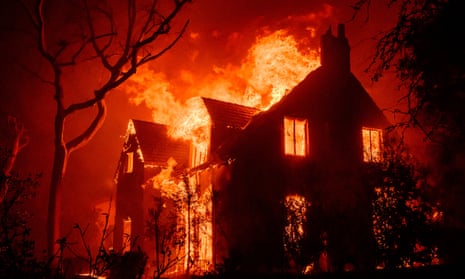
The potential penalties being sought against State Farm are significant under California law. The maximum administrative penalty amount that could be imposed, should regulators determine that State Farm's violations were "willful" rather than inadvertent, could reach approximately $4 million in total fines. However, the actual penalty amount will depend on the severity of violations, the number of affected policyholders, and the extent to which the company's conduct appears intentional versus negligent. Beyond monetary penalties, regulators are also considering more severe enforcement measures that could dramatically impact the company's operations in the state.
One of the most significant potential consequences facing State Farm is the possibility of a temporary suspension or revocation of the company's license to write new insurance policies in California. If implemented, such a sanction would essentially prohibit the insurer from enrolling any new customers for home insurance coverage for a period of up to one year. Given that California is the nation's largest insurance market and State Farm currently holds the position as the state's largest home insurer by market share, such a license suspension would represent an enormous blow to the company's business operations and revenue streams.
This enforcement action reflects mounting frustration among state regulators and policymakers regarding insurance company conduct during natural disasters and emergencies. The 2025 Los Angeles wildfires represented one of the most destructive fire seasons in Southern California's history, affecting tens of thousands of residents and destroying billions of dollars in property. Policyholders filing claims expected their insurance companies to honor their commitments by promptly investigating losses and paying fair compensation for covered damages. Instead, many customers reported lengthy delays, denials of legitimate claims, and payment amounts that fell far short of their actual losses.
Insurance claims handling during wildfires has become an increasingly contentious issue in California as climate change has intensified fire seasons and increased both the frequency and severity of destructive blazes. Regulators have received thousands of complaints from policyholders about how insurance companies handled claims following recent major fire events. The complaints have included allegations of unreasonable delays in processing claims, aggressive denial of coverage, improper use of exclusions in policy language to avoid payment, and systematic underpayment of valid claims. Commissioner Lara has made aggressive enforcement against problematic insurance company conduct a priority for his tenure as insurance commissioner.
State Farm has long been a dominant force in California's insurance market, but the company has faced mounting pressure in recent years due to rising claims costs from natural disasters, increased reinsurance expenses, and concerns about profitability in the state. The company has been forced to stop accepting new homeowners insurance applications in California multiple times in recent years due to what it characterized as unsustainable loss trends. However, critics argue that the company should focus on fairly handling existing claims rather than limiting growth, especially during times of crisis when policyholders most need their insurance protection.
The investigation into State Farm's conduct was prompted by consumer complaints, reports from consumer advocacy groups, and a preliminary review by the California Department of Insurance that suggested systemic problems with how the company processed wildfire-related claims. The department conducted a more detailed examination of claims files and communications, comparing the company's actions against California's insurance code requirements and industry standards for prompt, fair, and thorough claims handling. The resulting findings of widespread violations have formed the basis for the enforcement action and penalty recommendations now being pursued.
For policyholders who filed claims with State Farm following the 2025 Los Angeles wildfires, this enforcement action may provide some vindication of their complaints about unfair treatment. However, it does not immediately resolve individual claim disputes or provide compensation for underpayments already made. Policyholders who believe they were treated unfairly can file complaints with the California Department of Insurance, pursue appeals within State Farm's internal process, or consider legal action. Some consumer advocates are calling for additional remedies that would require insurers to compensate policyholders for past violations and ensure compliance going forward.
The timing of California's action against State Farm comes as regulators nationwide are scrutinizing insurance industry practices related to claims handling during disasters. Other states have launched similar investigations into major insurers, and Congress has held hearings on insurance availability and affordability issues. The underlying tension involves balancing the need to ensure insurers remain financially stable and continue offering coverage with the imperative to protect consumers from unfair practices and ensure they receive the benefits they paid for through their insurance premiums.
State Farm is expected to respond formally to the allegations and proposed penalties through California's administrative hearing process. The company may challenge the findings, contest the characterization of its conduct as violations, and argue that any penalties should be significantly reduced. The company could also point to efforts it has made to improve claims handling procedures and argue that any problems were isolated rather than systemic. However, the detailed nature of the investigation and the large number of violations identified in the sampling suggest regulators have built a substantial case.
The potential outcomes of this enforcement action extend beyond State Farm itself, potentially influencing how other major insurers approach claims handling during future disasters. Insurance companies operating in California will be watching closely to see what penalties are ultimately imposed and what conditions regulators place on the company's continued operations. If State Farm faces substantial financial penalties and operational restrictions, it could incentivize other insurers to invest more resources in claims handling capacity and ensure more rigorous compliance with state laws. Conversely, if penalties are minimal, it could be viewed as an insufficient deterrent against similar conduct.
Consumer advocates are calling for aggressive enforcement and meaningful penalties that go beyond modest fines. They argue that wildfire claims handling violations cause real harm to vulnerable people who have lost their homes and need their insurance benefits to rebuild. They contend that without substantial consequences, large insurers have little financial incentive to change problematic practices. Some are pushing for additional reforms such as requiring external monitoring of claims processes, establishing penalties tied to the amounts underpaid to customers, and creating compensation funds for past victims of unfair claims handling.
Looking forward, this enforcement action may represent a turning point in how California regulators approach insurance company conduct during disasters. The state's insurance commissioner has signaled that aggressive enforcement will continue, with ongoing investigations into other major insurers and their handling of wildfire and disaster-related claims. The message being sent is that insurance companies operating in California must prioritize fair, prompt, and thorough claims handling, particularly during emergencies when policyholders are most vulnerable and in greatest need of their insurance protection to recover from catastrophic losses.


