
California Wildfires Visible From Space

Satellite imagery reveals the shocking scale of two massive wildfires spreading across southern California. View stunning space photos.
Satellite imagery captured from orbit has provided a startling perspective on the magnitude and reach of two significant wildfires currently ravaging southern California. The photographs taken from space offer an unprecedented view of how these destructive natural disasters have expanded across vast stretches of landscape, affecting thousands of residents and spanning multiple counties throughout the region.
The California wildfires visible from space demonstrate the enormous scale at which these fires operate when viewed from hundreds of miles above Earth's surface. What appears as a relatively localized fire on the ground transforms into massive swaths of smoke and flame when captured by orbital satellites. Scientists and emergency management officials regularly use such imagery to monitor fire progression, estimate affected areas, and coordinate evacuation efforts for communities in the path of these dangerous blazes.
The satellite imagery of California wildfires shows thick plumes of smoke stretching across multiple counties, creating a visible haze that extends well beyond the immediate burn zones. The photographs reveal the interconnected nature of the fires and how rapidly they can spread across terrain, jumping from one area to another as wind patterns shift and fuel sources remain abundant. Such documentation from space proves invaluable for understanding the true environmental and geographic impact of these catastrophic events.
Recent southern California fire satellite images captured by various space agencies show the dramatic contrast between burned areas, active fire zones, and unaffected regions. The color-enhanced photographs make it easier for analysts to distinguish between different types of terrain and to identify where the most intense burning is occurring. These detailed views help emergency responders prioritize their resources and determine which communities require the most urgent assistance.
The perspective from space also highlights the scale of wildfires in California in ways that ground-level reporting cannot adequately convey. When entire communities, forests, and agricultural lands appear as small sections within the frame of a single satellite photograph, it becomes clear just how massive these natural disasters truly are. The imagery serves as a sobering reminder of the environmental challenges that California faces with increasing frequency due to prolonged drought conditions, rising temperatures, and dense vegetation buildup in fire-prone areas.
Thermal imaging satellites provide additional data beyond what visible-light cameras can capture, showing the heat signatures of active fires burning beneath smoke clouds. These infrared images allow meteorologists and fire scientists to locate hot spots that might not be apparent in standard photographs and to track how fires move and intensify throughout the day and night. The combination of multiple satellite data sources creates a comprehensive picture of the wildfire situation at any given moment.
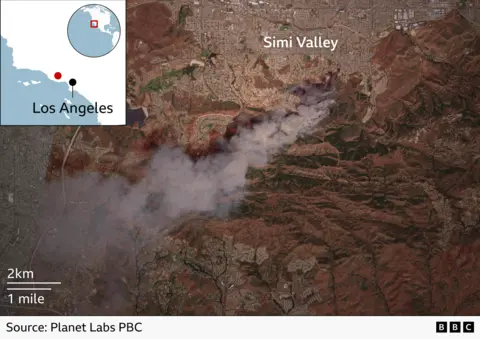
The two new wildfires spreading in southern California have prompted immediate action from state and federal fire agencies, with aerial resources being deployed to combat the blazes before they can expand further. The ability to observe these fires from space in real-time allows command centers to make informed decisions about resource allocation and evacuation protocols. Scientists continue to analyze the satellite data to understand fire behavior patterns and to improve prediction models for future incidents.
Community leaders and residents across southern California are closely monitoring updates from both ground-based observers and space-based monitoring systems. The California wildfire satellite photos have been widely shared on news platforms and social media, helping to raise awareness about the severity of the situation and the ongoing threats to populated areas. Many families have been forced to evacuate their homes, and thousands of others remain under evacuation alerts as fires continue to advance.
The environmental impact of these wildfires in southern California extends far beyond the immediate burn zones, affecting air quality across multiple states due to smoke drift patterns. Satellite observations of the smoke plumes help air quality agencies predict which regions will experience hazardous air conditions and to issue appropriate health warnings to vulnerable populations. The long-range visibility of these smoke plumes from space underscores the regional and even continental scope of wildfire impacts.
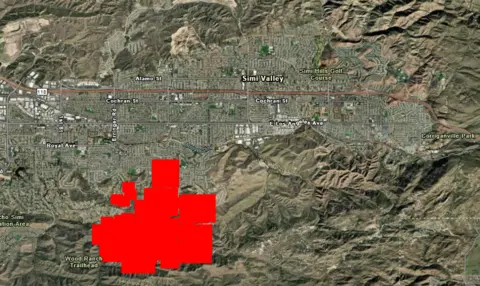
Climate scientists point to these recurring wildfire events as evidence of shifting environmental conditions that favor larger and more frequent fires. The combination of earlier spring snow melt, extended drought periods, and hotter temperatures creates ideal conditions for rapid fire spread. Space-based monitoring systems have become essential tools for documenting these changes and providing data that informs climate research and policy decisions.
The high-resolution imagery from modern satellites allows researchers to map burned areas with precision previously unavailable, creating detailed records of fire extent and severity. This information proves valuable for post-fire analysis, habitat assessment, and planning restoration efforts in affected regions. Insurance companies and property assessors also rely on satellite imagery to verify damage claims and to understand the scope of losses in communities impacted by the flames.
Looking forward, continued investment in satellite technology and real-time monitoring capabilities will enhance California's ability to respond to wildfire emergencies and to protect its residents. The perspective from space has become an indispensable tool in modern disaster management, complementing ground-based observation systems and providing a comprehensive view of natural disasters in progress. As wildfires continue to pose significant threats to communities throughout the state, the role of orbital imagery in emergency response and recovery efforts will only grow more important.
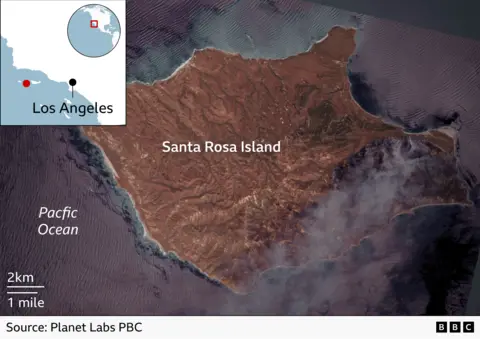
Source: BBC News


