
Camden Highline Project Abandoned Amid Cost Crisis

London's ambitious Camden Highline project, envisioned as a rival to NYC's High Line, has been scrapped due to soaring costs and the energy crisis.
In a significant setback for London's urban development landscape, the Camden Highline project—a multimillion-pound urban renewal initiative spanning nearly a decade of planning and development—has effectively been abandoned. Project organisers announced the decision citing insurmountable financial obstacles and the broader economic pressures created by the ongoing energy crisis, marking a disappointing end to what many had envisioned as London's transformative answer to New York's celebrated High Line.
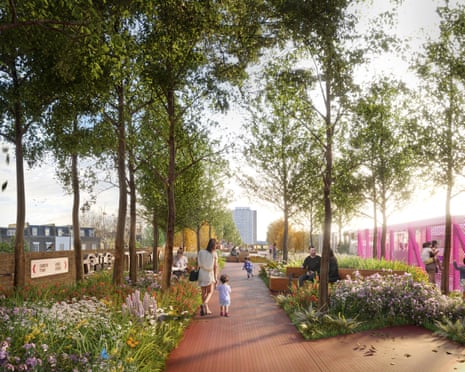
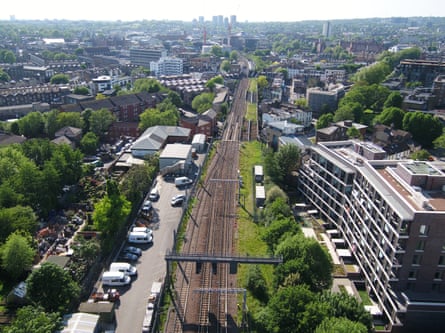
The Camden Highline was conceived as an ambitious green infrastructure project designed to repurpose a neglected railway corridor stretching between Camden and King's Cross. The visionary scheme promised to breathe new life into this forgotten urban space, transforming the disused rail line into a vibrant pedestrian and cycling thoroughfare adorned with native plants, wildflowers, and carefully curated green spaces. The project represented more than just aesthetic enhancement; it embodied a broader commitment to sustainable urban development and community revitalization in one of London's most dynamic neighborhoods.
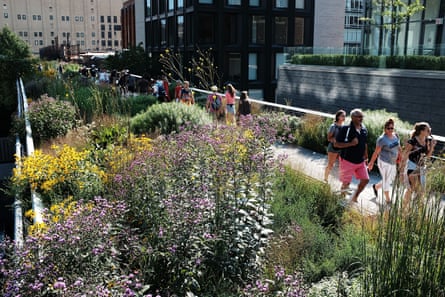
Drawing inspiration from the renowned High Line in New York City—which successfully converted an abandoned elevated freight railway into one of Manhattan's most beloved public spaces—the Camden Highline aimed to replicate that transformative success on British soil. The New York High Line has become a global model for creative urban regeneration, attracting millions of visitors annually and catalyzing significant surrounding development. London's organisers believed the Camden iteration could achieve similar outcomes, becoming a distinctive landmark that would enhance local biodiversity, improve air quality, and create enhanced pedestrian connectivity across the area.
The financial challenges facing the project proved far more formidable than initially anticipated. Cost estimates for the development escalated dramatically throughout the planning phases, reflecting the complexity of converting historic infrastructure while maintaining structural integrity and meeting contemporary safety standards. Additionally, the construction costs ballooned amid supply chain disruptions and inflation that followed the pandemic, making the initial budget projections increasingly unrealistic. These escalating expenses, combined with limited public and private funding commitments, created a financial chasm that project organisers found impossible to bridge.
The broader economic context intensified these challenges substantially. Europe's energy crisis, which intensified significantly in recent years, has consumed government attention and budgetary resources that might otherwise have been allocated to cultural and infrastructure projects. Rising energy costs have placed unprecedented pressure on municipal budgets across the United Kingdom, forcing difficult prioritization decisions. Public funding bodies, facing demands to support essential services and vulnerable populations struggling with fuel poverty, found it increasingly difficult to justify allocating substantial resources to discretionary development projects, regardless of their long-term potential benefits.
The decision to abandon the project represents a considerable disappointment to the local community, urban planners, and environmental advocates who had championed the initiative. Supporters had hoped the transformed corridor would not only provide recreational and transportation benefits but also contribute meaningfully to London's climate resilience objectives. The project aligned with broader municipal sustainability goals and the capital's commitment to expanding green spaces and promoting active transportation alternatives to automobiles.
The Camden Highline's cancellation highlights the ongoing tension between ambitious urban revitalization ambitions and fiscal reality in major metropolitan areas. While cities worldwide recognize the value of converting underutilized infrastructure into vibrant public assets, translating these aspirations into concrete reality requires sustained financial commitment and favorable economic conditions. The project's demise underscores how external economic shocks and competing budgetary priorities can derail even well-conceived development initiatives that enjoy broad community support.
This setback will likely prompt reflection among London's planning community regarding approaches to financing major infrastructure projects. Some observers suggest that innovative funding mechanisms—including public-private partnerships, community investment models, or phased development strategies—might have enhanced the project's financial viability. Others argue that the project's scope was overly ambitious given the urban constraints and existing infrastructure challenges present along the designated route.
The abandoned rail corridor in Camden and King's Cross now faces an uncertain future. While the high-profile transformation has been shelved, the underlying need for improved public space development and enhanced green infrastructure in the area remains. Local stakeholders may explore alternative approaches to activating the space, whether through smaller-scale interventions, temporary community installations, or different redevelopment strategies that require less capital investment while still delivering meaningful community benefits.
The cancellation also raises broader questions about London's capacity to undertake major transformative projects during periods of economic uncertainty. As the city continues recovering from pandemic disruptions and navigating inflation, municipal authorities face difficult decisions about allocating limited resources. High-visibility projects like the Camden Highline, while potentially beneficial, must compete against pressing infrastructure maintenance needs, social services expansion, and other immediate community requirements demanding financial attention.
Project organisers have indicated that all active development work has ceased, and remaining stakeholder communications will focus on formally concluding the initiative. The decision, while disappointing, reflects a pragmatic acknowledgment that the project's requirements could not be sustainably met within current economic constraints. For London, the abandoned Camden Highline serves as a cautionary reminder that even compelling urban visions require appropriate financial frameworks and economic conditions to achieve realization.
Looking forward, the experience may influence how London approaches future major infrastructure development initiatives, potentially encouraging more cautious financial planning and more realistic cost projections from the outset. As cities worldwide continue seeking creative solutions to urban challenges through adaptive reuse and green infrastructure, the Camden Highline's fate offers valuable lessons about the importance of robust financial planning and the vulnerability of major projects to macroeconomic shifts beyond local control.


