
Canada Breaks New Ground at EPC Summit

Canada becomes first non-European nation at European Political Community summit in Yerevan, as PM Mark Carney seeks new allies after US market losses under Trump administration.
In a historic diplomatic move, Canada is set to become the first non-European nation to participate in an official meeting of the European Political Community, marking a significant shift in North American-European relations. Prime Minister Mark Carney will attend the summit scheduled for Monday in Yerevan, Armenia, representing a watershed moment for the 48-plus nation alliance that has primarily focused on European affairs since its establishment. This unprecedented attendance underscores Canada's growing interest in diversifying its international partnerships and strengthening ties with European nations during a period of considerable geopolitical uncertainty.
The decision to invite Canada to the European Political Community summit carries deep strategic implications. Carney has explicitly stated his commitment to constructing a comprehensive network of trade and diplomatic alliances following the substantial loss of American markets that Canada faces under the Trump administration's protectionist policies. The Canadian government views European partnerships as essential to offsetting the economic disruption caused by shifting US trade dynamics and tariff structures. By participating in this influential gathering of European and allied nations, Canada signals its determination to position itself as a reliable partner in Western coalition-building efforts.
Beyond economic considerations, Canada's presence at the Yerevan summit carries important symbolic weight for Armenia and regional stability concerns. The attendance serves as a tangible demonstration of Western support for Armenia's efforts to distance itself from Russian influence and chart a more independent geopolitical course. This comes at a particularly delicate moment when Armenian leadership is reassessing its traditional relationships and seeking to strengthen connections with democratic Western nations. Canada's participation reinforces the message that Armenia has viable alternative partners beyond its historical alliances.

The broader context of this summit reflects ongoing concerns about Western solidarity in the face of Russian aggression and authoritarian expansion. While the Trump administration's approach to Russia and its opponents, particularly Ukraine, remains ambiguous and unpredictable, Canada's move demonstrates a clear commitment to maintaining strong Western coalitions. Armenian officials have expressed appreciation for Canada's steadfast support of democratic principles and international law, particularly in light of recent regional conflicts and security challenges. This attendance illustrates how traditional alliances are being recalibrated in response to shifting American policies and strategic priorities.
Canadian diplomats have been careful to manage expectations regarding the scope of their new international engagement. Officials have explicitly rejected suggestions that Ottawa might be pursuing formal membership in the European Union or seeking to replace the United States as a primary economic partner for European nations. Instead, Canada's approach emphasizes complementary partnerships focused on specific sectors including technology, defense, and sustainable development. The government views the EPC participation as part of a broader strategy to diversify partnerships rather than as an attempt to fundamentally reshape traditional transatlantic relationships.

The European Political Community itself represents an important forum for discussing shared challenges among democratic nations across Europe and beyond. Originally conceived as a platform for informal dialogue among European leaders, the organization has evolved to address pressing issues including security cooperation, economic integration, and responses to authoritarian threats. The inclusion of non-European members reflects the organization's recognition that global challenges require coordinated responses across geographical boundaries. Canada's participation signals the EPC's willingness to expand its membership criteria and embrace partners who share fundamental democratic values and commitment to multilateral cooperation.
For Canada, the timing of this summit attendance is particularly significant given domestic political considerations and economic pressures. The nation faces considerable uncertainty regarding trade relationships, investment flows, and market access in traditional American markets. By engaging more actively with European partners, Canadian leadership hopes to develop alternative economic frameworks and investment opportunities. Agricultural exporters, technology companies, and resource sectors have all expressed interest in deepening commercial ties with European counterparts, making the diplomatic groundwork laid at such summits commercially valuable.
The summit in Yerevan will address multiple pressing regional and global issues affecting European security and prosperity. Discussions are expected to focus on responses to Russian aggression in Eastern Europe, support for Ukraine and other affected nations, and strategies for enhancing European defense capabilities. Armenia's participation as a host nation reflects its central role in these security discussions, particularly given its own experiences with regional conflicts and the importance of maintaining territorial integrity. Canada's presence in these conversations will help ensure that North American perspectives on these critical issues are represented in European-level decision-making.
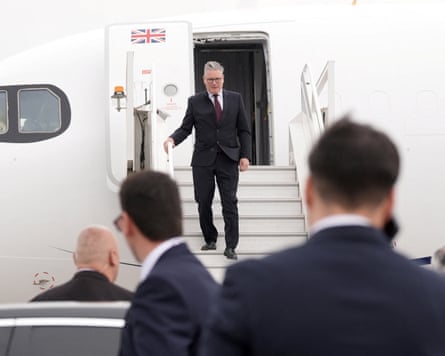
Carney's leadership in pursuing these new alliances reflects his vision for Canada's role in an increasingly complex international environment. His background in international finance and economic policy positions him well to navigate the intricate trade negotiations and economic partnerships that will be essential for Canada's prosperity. The prime minister has emphasized that building resilient economic relationships across multiple regions will help protect Canadian workers and businesses from the disruptions caused by protectionist policies emanating from Washington. This approach represents a deliberate strategy to reduce Canada's economic dependence on a single market while strengthening its position within broader Western coalition structures.
Looking forward, Canada's breakthrough participation in the European Political Community may set a precedent for other non-European democracies seeking to engage with the alliance. Countries like Australia, Japan, and South Korea have demonstrated interest in stronger European partnerships, and Canada's successful entry into the EPC framework may encourage similar invitations to other aligned nations. This potential expansion could fundamentally reshape the organization from a primarily European forum into a truly global alliance of democracies united around shared values and common security interests. The implications of this shift extend far beyond symbolic gestures, potentially creating new frameworks for coordinated action on trade, security, and technological development.
The success of Canada's participation in this summit will likely be measured not only by the relationships established but also by concrete outcomes achieved for Canadian interests. Trade agreements, defense cooperation initiatives, and technology partnerships are all potential deliverables that Canadian negotiators may pursue during the gathering. The involvement of representatives from dozens of nations creates unprecedented opportunities for bilateral and multilateral discussions that could yield tangible benefits for Canadian exporters, investors, and strategic interests. As Canada continues to adapt to the new realities of Trump-era American policy, these European connections may prove increasingly vital to national prosperity and security.
Source: The Guardian


