
Canada Leads G7 and Middle East Push to Defuse Iran War Crisis

Canadian Foreign Minister Anita Anand drafts principles to reduce regional spillover and wider shocks as she meets with G7 and Middle East counterparts.
Canada is spearheading a collective effort among the G7 and Middle East nations to de-escalate the ongoing Iran war, including potential off-ramps that could bring an end to the conflict, according to Canadian Foreign Minister Anita Anand.
In London, Anand met with UK Foreign Secretary Yvette Cooper after discussions with her Turkish counterpart, Hakan Fidan. Anand expressed hope that a G7 meeting chaired by France, this year's president of the group, could help build a broader collective approach to the crisis.
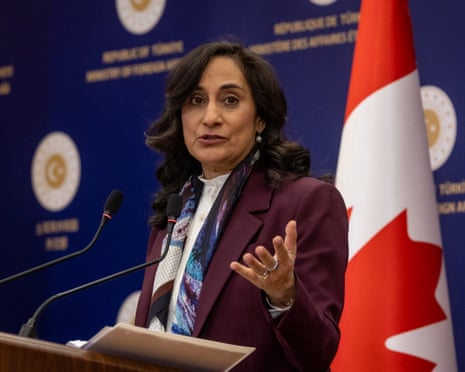
The Canadian foreign minister said she has drafted a set of principles aimed at reducing the risk of regional spillover and wider economic shocks stemming from the Iran war. These principles are expected to be a key part of the discussions as G7 and Middle East leaders seek to find a path to de-escalation.
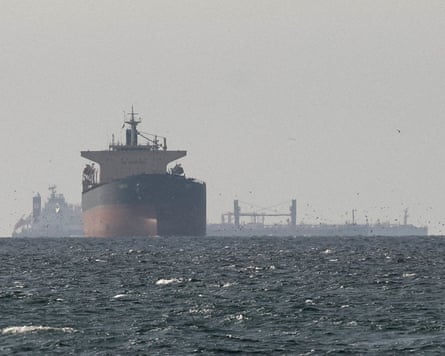
The conflict in Iran has already had significant global ramifications, with oil prices spiking and concerns about potential disruptions to critical shipping lanes in the Strait of Hormuz. Canadian officials are eager to work with their international counterparts to pursue diplomatic solutions that could bring an end to the hostilities.
Anand's outreach to G7 and Middle East partners comes as the situation on the ground in Iran remains volatile, with ongoing clashes and the recent killing of a key Iranian leader. The Canadian government is clearly seeking to leverage its position as a neutral party to help facilitate a diplomatic resolution.
As the Iran war continues to escalate, the stakes for the global economy and regional stability are increasingly high. Canada's efforts to bring together the G7 and Middle East nations could prove crucial in finding a pathway to de-escalation and an eventual end to the conflict.
Source: The Guardian


