
Canada's Historic Military Recruitment Boom

Canada experiences unprecedented military recruitment surge in three decades. Discover what's driving this historic turnaround in defence capabilities.
Canada is currently experiencing an unprecedented surge in military recruitment that marks the most significant growth in armed forces enrollment over the past three decades. This remarkable turnaround represents a critical shift in the nation's approach to strengthening its defence capabilities and addressing longstanding challenges in force readiness. The influx of new recruits signals renewed public interest in military service and reflects broader concerns about national security in an increasingly complex geopolitical landscape.
For years, Canada's military recruitment efforts had struggled considerably, with the Canadian Armed Forces consistently falling short of enrollment targets and grappling with manpower shortages that threatened operational effectiveness. The Canadian Armed Forces recruitment challenge had become a persistent policy concern, with military officials and defence analysts warning that insufficient personnel threatened the country's ability to respond to emerging security threats. The situation had deteriorated to the point where defence capabilities were being questioned by international allies and domestic observers alike.
The current recruitment surge represents a dramatic reversal of this troubling trend, with the Canadian Armed Forces now attracting significantly more qualified candidates than in previous years. Military recruiters report receiving substantially higher application volumes and improved quality metrics among applicants, suggesting growing confidence in and commitment to military service. This positive momentum comes at a time when Canada is reassessing its defence spending and strategic priorities in response to evolving security threats.
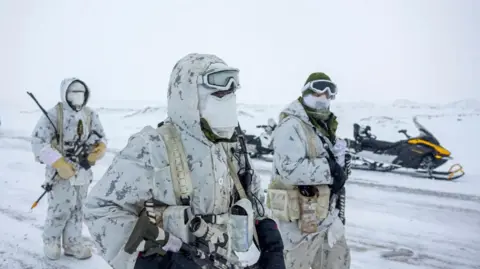
Several interconnected factors have contributed to this unexpected renaissance in military recruitment interest. Rising geopolitical tensions, particularly concerns about Russia's military activities and emerging security challenges in North America, have heightened public awareness of defence needs. Additionally, the Canadian government has implemented targeted recruitment campaigns and improved military benefits packages designed to make service more attractive to younger Canadians across diverse demographic groups. Economic opportunities within the military, competitive salary structures, and enhanced career development programs have also played crucial roles in attracting talent.
The timing of this recruitment surge coincides with increased national security discussions and broader conversations about Canada's role in international defence frameworks. The government has emphasized the importance of strengthening military capabilities to address modern threats while maintaining commitments to international alliances and peacekeeping operations. These strategic messaging efforts have resonated with younger Canadians who are increasingly concerned about global stability and interested in contributing to national security initiatives.
Military leadership has characterized this recruitment momentum as essential for achieving force modernization goals and maintaining operational readiness across all service branches. The Canadian Armed Forces has been working to enhance its appeal through improved recruitment infrastructure, expanded digital outreach strategies, and targeted messaging that emphasizes the meaningful nature of military service. Career advancement opportunities, technical training in cutting-edge fields, and the chance to work with advanced defence technologies have become key selling points in recruitment materials.
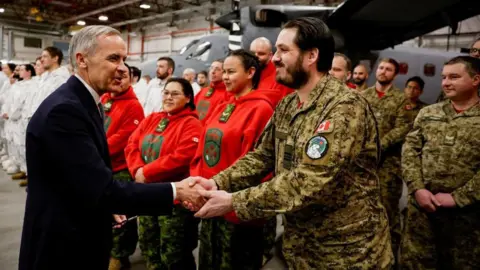
The surge in interest spans multiple branches of the Canadian Armed Forces, including the Canadian Army, Royal Canadian Navy, and Royal Canadian Air Force, with each service reporting positive enrollment trends. Geographic representation has also improved, with recruitment offices across the country witnessing increased application volumes from both urban and rural communities. This broad-based support suggests that the appeal of military service is not limited to specific regions or demographics, but rather reflects a genuine national shift in attitudes toward defence service.
Beyond recruitment numbers, the quality of applicants has also shown improvement, with military officials noting better educational backgrounds and enhanced qualification levels among new recruits. This improvement in applicant quality means that the Canadian Armed Forces can be more selective in its hiring practices while still exceeding recruitment targets. Enhanced standards for recruits contribute to better trained, more capable military personnel who can effectively operate sophisticated equipment and handle complex security challenges.
The defence policy landscape in Canada has evolved significantly, with increased recognition that adequate military staffing is fundamental to national sovereignty and international responsibilities. Government investment in recruiting infrastructure, advertising campaigns, and recruitment officer training has yielded tangible results in translating public interest into actual enlistments. These efforts demonstrate that strategic investment in recruitment yields measurable returns in personnel acquisition and force development.
Retention rates have also become a focus of military human resources planning, as successfully recruiting new personnel must be complemented by efforts to keep experienced service members engaged and committed. The Canadian Armed Forces has implemented career development programs, improved workplace culture initiatives, and enhanced compensation structures to ensure that the surge in new recruits translates into long-term force strength. These retention efforts are equally important as recruitment in achieving sustainable military readiness and operational effectiveness.
International observers have noted Canada's recruitment success as part of broader discussions about NATO member contributions and collective defence commitments. As tensions rise in various global regions and security alliances reassess their capabilities, Canada's improved military recruitment has reinforced the country's ability to maintain its international security obligations. This positive development enhances Canada's standing among allied nations and demonstrates renewed commitment to shared defence responsibilities.
The implications of this military recruitment surge extend beyond simple personnel numbers, affecting strategic military planning, equipment procurement decisions, and long-term force development strategies. With adequate personnel levels projected to be achievable in the near term, military planners can focus on modernization initiatives and capability enhancements that require stable manning levels. This planning flexibility should enable more comprehensive assessments of equipment needs, training requirements, and operational readiness.
The success of current recruitment efforts has generated optimism within defence circles about the feasibility of achieving target force levels and maintaining required capabilities for Canada's security environment. Military officials have expressed confidence that momentum can be sustained through continued investment in recruitment initiatives and maintenance of compelling messaging about military service opportunities. This optimism represents a significant shift from the pessimism that characterized discussions about recruitment shortfalls in previous years.
Looking forward, the Canadian Armed Forces must leverage this period of recruitment success to build sustainable force structures capable of addressing current and emerging security challenges. The organization has an opportunity to shape its force composition through selective recruitment and development of specialized skills needed for modern defence operations. Success in converting recruitment interest into trained, capable military personnel will determine whether this surge represents a temporary spike or the beginning of sustained improvements in military staffing and operational capability.
Source: BBC News


