
Canadian Passenger Tests Positive After Hantavirus Cruise Ship

A Canadian passenger from the MV Hondius cruise ship has tested positive for hantavirus. One of four former passengers now isolating on Vancouver Island, British Columbia.
A Canadian passenger from the MV Hondius cruise ship has tested positive for hantavirus, marking a concerning development in an ongoing health situation affecting the vessel and its travelers. The individual is among four former passengers currently isolating on Vancouver Island in British Columbia following their time aboard the Arctic expedition cruise ship. Health authorities have been closely monitoring the situation as investigations continue into the source and extent of the outbreak.
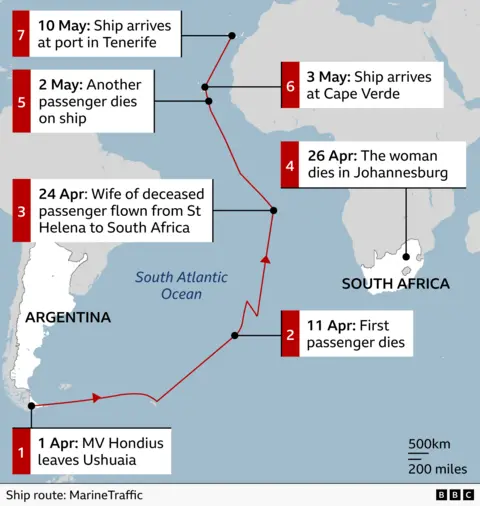
The MV Hondius, an Arctic expedition vessel that operates in remote northern regions, became the center of attention when multiple passengers showed symptoms consistent with hantavirus infection. Hantavirus is a rare but serious infection transmitted primarily through contact with infected rodent droppings, urine, or saliva. The discovery of positive cases aboard the cruise ship has raised questions about sanitation protocols and rodent control measures on the vessel.
The four passengers who are currently isolating on Vancouver Island represent the confirmed and suspected cases linked to their time on the MV Hondius. Health officials have implemented strict isolation procedures to prevent any potential transmission to the broader community. The individuals are receiving appropriate medical care and monitoring as they recover from the infection.
British Columbia health authorities have launched a comprehensive investigation into how the hantavirus exposure occurred aboard the cruise ship. Preliminary findings suggest that the contamination may have originated from rodents present on the vessel or at ports visited during the cruise itinerary. Environmental testing and inspections of the ship are underway to identify and eliminate potential sources of infection.
Hantavirus disease symptoms typically appear between one to eight weeks after exposure and can include fever, fatigue, muscle aches, and headaches, potentially progressing to more severe respiratory complications. The diagnosis requires specific laboratory testing to confirm the presence of hantavirus antibodies in blood samples. Early detection and supportive medical care significantly improve outcomes for infected individuals.
The cruise ship industry has faced heightened scrutiny regarding health and safety protocols in recent years, particularly following various outbreaks and contamination incidents. The MV Hondius incident underscores the importance of maintaining rigorous sanitation standards, pest control measures, and health monitoring systems on vessels that carry passengers to remote and sensitive environments.
Passengers who traveled on the MV Hondius during the relevant time period are being contacted by public health authorities for monitoring and potential testing. Health officials are requesting that anyone who was aboard the ship and develops symptoms such as fever, muscle pain, or respiratory distress seek immediate medical attention and inform healthcare providers of their recent cruise travel.
The case highlights the interconnected nature of modern travel and health risks, particularly on vessels that visit multiple ports and remote regions where wildlife contact may be unavoidable. Arctic expedition cruises, which have become increasingly popular, present unique epidemiological challenges due to their itineraries and the environments they traverse.
Public health agencies in British Columbia are working collaboratively with federal health authorities and maritime health organizations to establish clear guidelines and recommendations for cruise ship operators. These efforts include enhanced pest control protocols, improved ventilation systems, and staff training on recognizing and responding to potential disease outbreaks.
The positive test result for the Canadian passenger underscores the need for continued vigilance in monitoring emerging infectious diseases within travel contexts. While hantavirus cases remain relatively rare in developed nations, the conditions aboard cruise ships—with numerous passengers from different regions in close quarters—can create environments conducive to disease transmission if proper preventive measures are not in place.
Cruise ship operators are now reassessing their protocols in response to this incident, with particular attention to rodent exclusion and pest management strategies. The MV Hondius, operated by Hurtigruten Expeditions, has committed to implementing additional safety measures and transparent communication with passengers regarding any health concerns.
The isolation of affected passengers on Vancouver Island reflects standard public health practice for infectious disease management in Canada. Healthcare providers in British Columbia are experienced in managing rare viral infections and have the resources and expertise necessary to provide comprehensive care while preventing transmission to the general population.
This incident serves as an important reminder for travelers taking expeditionary cruises to remote regions to maintain awareness of potential health risks and to practice good hygiene measures, including regular handwashing and avoiding contact with wildlife or potentially contaminated areas aboard ships. Travel insurance that covers emergency medical evacuation and infectious disease treatment is also recommended for those taking such voyages.
As the investigation progresses, additional information regarding the timeline of exposure, the specific port or location where contamination occurred, and any other affected individuals may emerge. Public health officials have committed to keeping the community informed of significant developments while respecting patient privacy.
The case of the Canadian passenger testing positive for hantavirus from the MV Hondius represents an important moment for the cruise and expedition ship industry to strengthen health protocols and demonstrate commitment to passenger safety in remote and challenging environments.
Source: BBC News


