
Cancer-Stricken MP Warns Against Assisted Dying Bill Revival

Former health minister Ashley Dalton, battling terminal cancer, urges Parliament to reject assisted dying legislation, citing dangerous amendments and safety concerns.
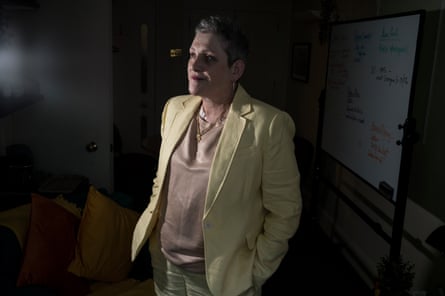
Assisted dying legislation faces fresh opposition from an unexpected quarter as a prominent Labour MP battling terminal cancer has publicly urged her parliamentary colleagues not to resurrect the controversial bill. Ashley Dalton, who previously served as a public health minister, has become the center of an emotionally charged debate surrounding end-of-life medical decisions and parliamentary reform.
In an exclusive statement, Dalton revealed that she is undergoing lifelong treatment for metastatic breast cancer, a particularly aggressive form of the disease that has spread extensively throughout her body. Despite her personal battle with this devastating diagnosis, she has taken the courageous step of speaking out against the revival of assisted dying legislation that would permit terminally ill patients to legally end their lives. Her intervention adds significant weight to the ongoing debate within Parliament about whether such legislation should be reintroduced.
The former minister's concerns center on specific amendments that were proposed during earlier discussions of the bill. According to Dalton, certain rejected amendments could have substantially strengthened the legislation's protections and safeguards. However, she argues that without these crucial protections, the current version of the bill represents what she describes as a "pretty dangerous set of affairs" that poses unacceptable risks to vulnerable patients.

Dalton's position is particularly noteworthy given her dual expertise as both a medical professional and a senior political figure. Having served in the public health ministry, she possesses deep knowledge of healthcare systems, patient safety protocols, and the complex ethical considerations surrounding end-of-life care. Her medical background lends substantial credibility to her warnings about the potential dangers embedded within the current bill's framework.
The debate surrounding assisted dying bill legislation has long been contentious within British politics, pitting individual autonomy and compassion against concerns about vulnerable populations and potential abuse. Those who support such legislation argue that terminally ill patients should have the right to choose a dignified death rather than endure prolonged suffering. Conversely, opponents worry that inadequate safeguards could lead to premature deaths among people who are depressed, isolated, or suffering from conditions that are treatable but appear terminal.
Previous iterations of end-of-life legislation have included various amendments designed to address these safety concerns. These proposed changes have ranged from stricter verification procedures to enhanced mental health assessments and extended waiting periods. Dalton's reference to rejected amendments suggests that advocates for the bill failed to incorporate protective measures that might have assuaged concerns from medical professionals and patient safety advocates.
The timing of Dalton's intervention carries particular poignancy given her recent cancer diagnosis and ongoing treatment regimen. Many might expect that someone facing terminal illness would support legislation that provides an exit option, yet Dalton has chosen instead to focus on the dangers of inadequately protected policy frameworks. This apparent contradiction highlights the complexity of the issue and suggests that even those directly affected by terminal illness may have serious reservations about poorly designed legislation.
Her concerns about a "dangerous set of affairs" likely reference specific risks that medical professionals and ethicists have repeatedly warned about. These dangers include the potential for subtle coercion of elderly or disabled individuals, the risk of premature decisions made during temporary depressive episodes, and the possibility of terminal illness misdiagnosis affecting life-or-death decisions. Additionally, healthcare systems might inadvertently incentivize assisted death for patients whose treatment is expensive or resource-intensive.
As a former public health minister, Dalton would have firsthand understanding of how healthcare policy implementation often diverges from legislative intent. She has likely witnessed how even well-intentioned laws can be misapplied or how inadequate funding for oversight mechanisms can undermine protective safeguards. Her warning to MPs reflects this hard-won institutional knowledge about the gap between policy ideals and messy real-world healthcare delivery.
The rejection of specific amendments that Dalton believes would have strengthened the bill suggests a political compromise that prioritized passage over comprehensive protection. Legislative processes often involve trading off ideal protections for political viability, but Dalton appears to be arguing that the compromises made in this case went too far toward endangering vulnerable patients. Her call for MPs to abandon the bill represents a judgment that an inadequate version is worse than no legislation at all.
Medical organizations and patient advocacy groups have historically held divided opinions on assisted dying legislation. While some healthcare professionals support carefully regulated access to assisted death, others maintain that improved palliative care, mental health support, and pain management offer better alternatives. Dalton's position appears to align with those who believe that the current bill fails to provide sufficient protections and alternative care infrastructure.
Her intervention comes at a critical moment in Parliament's consideration of this issue. As MPs contemplate whether to reintroduce the bill, Dalton's firsthand perspective as both a cancer patient and healthcare policy expert carries significant influence. Her appeal is not based on religious conviction or abstract principle, but rather on concrete concerns about how the legislation would function in practice and which patient populations might be endangered by its inadequate safeguards.
The broader context of this debate involves ongoing conversations about healthcare system capacity, patient autonomy, and the role of government in regulating deeply personal medical decisions. Countries such as the Netherlands, Belgium, and Switzerland have legalized assisted dying practices with various regulatory frameworks, but these models may not translate perfectly to the British healthcare context with its distinct institutional structures and patient population characteristics.
Dalton's public statement represents a significant intervention in parliamentary deliberations from someone with both personal experience and professional expertise. Whether her warnings will succeed in preventing the bill's resurrection remains uncertain, but her voice will undoubtedly influence ongoing discussions about how to balance compassion for suffering patients with adequate protection for vulnerable populations. Her courageous willingness to speak publicly about her terminal diagnosis while advocating against legislation that might benefit her personally demonstrates a commitment to policy integrity over personal advantage.
Source: The Guardian


