
Canvas Pays Hackers to Delete Stolen Student Data

Canvas reaches agreement with cybercriminals to delete stolen student data after major breach affecting thousands of educational institutions worldwide.
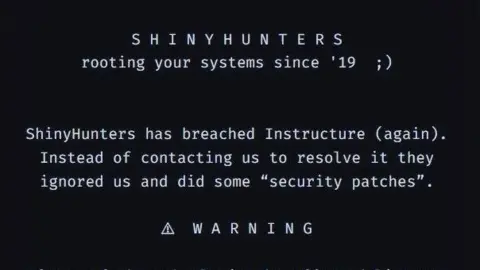
In a significant development within the higher education cybersecurity landscape, Canvas, the widely-used learning management system serving thousands of educational institutions, has announced it has negotiated directly with the hackers responsible for a devastating breach affecting numerous colleges and universities. The company released a statement confirming that it has "reached an agreement" with the cybercriminals who orchestrated the disruption, marking an unconventional approach to data breach resolution in the educational technology sector.
The data breach impacted a vast number of academic institutions across multiple continents, exposing sensitive information belonging to countless students and faculty members. Canvas, developed by Instructure, serves as a critical infrastructure component for digital learning at many universities and schools worldwide. The breach represented one of the most significant cybersecurity incidents affecting the education sector in recent memory, prompting immediate concern among administrators, educators, and parents alike regarding the security of student personal information.
The decision to engage directly with the cybercriminals rather than pursue purely investigative and legal channels reflects the growing reality of modern ransomware negotiations in the digital age. Organizations increasingly find themselves in complex situations where direct communication with threat actors becomes necessary to secure the return or deletion of stolen data. This approach, while controversial, has become increasingly common as companies weigh the costs of data exposure against the potential for recovery.

The specifics of the agreement between Canvas and the hackers remain partially confidential, as is typical in such negotiations. However, the company's primary objective appears to have been securing the deletion of the stolen student records to prevent further misuse or sale of the compromised data on dark web marketplaces. Educational institutions have substantial legal and ethical obligations to protect student information under various privacy regulations, including FERPA (Family Educational Rights and Privacy Act) in the United States.
This incident underscores the persistent vulnerability of educational technology platforms to sophisticated cyber attacks. Learning management systems contain repositories of highly sensitive personal information, including names, identification numbers, academic records, and sometimes financial data. The centralized nature of these systems, combined with their educational mission of accessibility, creates inherent tensions between security and usability that attackers actively exploit.
The breach and subsequent negotiations have raised important questions about cybersecurity practices within the education technology industry. Many institutions had placed considerable trust in Canvas's security infrastructure without realizing the extent of potential vulnerabilities. The incident prompted security audits across numerous institutions and sparked discussions about the need for enhanced security protocols in educational technology solutions.
Canvas and Instructure have since committed to implementing enhanced security measures and increased transparency regarding cybersecurity incidents. The company has worked with affected institutions to provide notification to impacted individuals and has established support resources for those concerned about potential identity theft or data misuse. This proactive communication represents an attempt to rebuild trust following the significant breach and the unconventional negotiation process that followed.
The decision to pay for data deletion, while pragmatic in many respects, has generated considerable debate within cybersecurity circles. Critics argue that such payments incentivize further attacks by demonstrating that cybercriminals can profit from breaches even when they don't successfully extort ransom payments. Conversely, proponents suggest that negotiating data deletion prevents far greater harms that would result from widespread exposure and exploitation of student information across illegal marketplaces.
Educational institutions affected by the breach faced difficult decisions regarding student notification and potential remediation steps. Many universities offered affected students complimentary credit monitoring services and identity protection resources. The incident exposed the ripple effects of breaches affecting centralized educational platforms, as single compromises can impact tens of thousands of individuals across multiple institutions simultaneously.

The Canvas incident joins a growing list of high-profile breaches affecting major software platforms used in critical sectors including education, healthcare, and government. These incidents collectively highlight systemic challenges in securing complex, widely-distributed software systems that serve millions of users globally. The attack surface inherent in such systems creates opportunities for determined adversaries to inflict significant damage on large populations simultaneously.
Moving forward, the Canvas breach and its resolution through direct negotiation with attackers may establish precedents for how similar situations are handled in the educational technology industry. Insurance providers, legal experts, and institutional leadership continue debating whether direct payments to cybercriminals represent appropriate business decisions or whether alternative approaches might better serve institutional and individual interests. The answer likely varies depending on specific circumstances and the particular regulatory environment governing each institution.
The incident also highlights the importance of cybersecurity insurance and incident response planning for educational institutions. Many universities have since reviewed their cyber insurance policies and disaster recovery protocols to ensure adequate protections against similar future incidents. The breach served as a stark reminder that even established, widely-trusted platforms can fall victim to sophisticated attacks, necessitating constant vigilance and investment in security infrastructure.
As the educational technology landscape continues evolving, institutions increasingly recognize that security must be considered a fundamental feature rather than an afterthought. The Canvas breach and the subsequent agreement with hackers represents both a significant incident and an opportunity for the industry to strengthen its approach to protecting sensitive student information. Moving forward, educational institutions will likely demand greater transparency and accountability from technology providers regarding their security practices and incident response protocols.
Source: BBC News


