
CAR T Cell Therapy: Cancer Treatment Reshapes MS Care

Revolutionary CAR T cell therapy, originally designed for cancer treatment, is now transforming autoimmune disease management. First MS patient reports breakthrough results.
At the age of 49, Jan Janisch-Hanzlik faced a progressively challenging battle with multiple sclerosis, a debilitating autoimmune condition that was systematically stripping away her independence and quality of life. What had once been an active nursing career became increasingly difficult to maintain, forcing her to transition to a sedentary desk position simply to accommodate her physical limitations. The disease's unpredictable nature made even simple activities dangerous—frequent falls caused her to live in fear of holding her grandchildren, and the prospect of permanent wheelchair dependence loomed over her future plans.
Despite adhering to the most advanced pharmaceutical treatments available on the market, Janisch-Hanzlik's condition continued to deteriorate rather than improve. Her medical team had exhausted conventional therapeutic options, leaving her with a bleak prognosis of continued decline. The situation became so concerning that she made the difficult decision to relocate to a larger home, preemptively accommodating what she feared would be an inevitable need for wheelchair accessibility. Her determination to explore alternative solutions led her to investigate an innovative clinical trial happening at the University of Nebraska Medical Center in Omaha, conveniently located near her hometown of Blair.
Demonstrating remarkable persistence and hope, Janisch-Hanzlik contacted the research clinic consistently over several months, calling every other month until the team was prepared to officially enroll her as their inaugural patient in this groundbreaking study. Her determination would prove to be the turning point in her medical journey, positioning her at the forefront of a medical revolution that could fundamentally change how autoimmune diseases are treated.
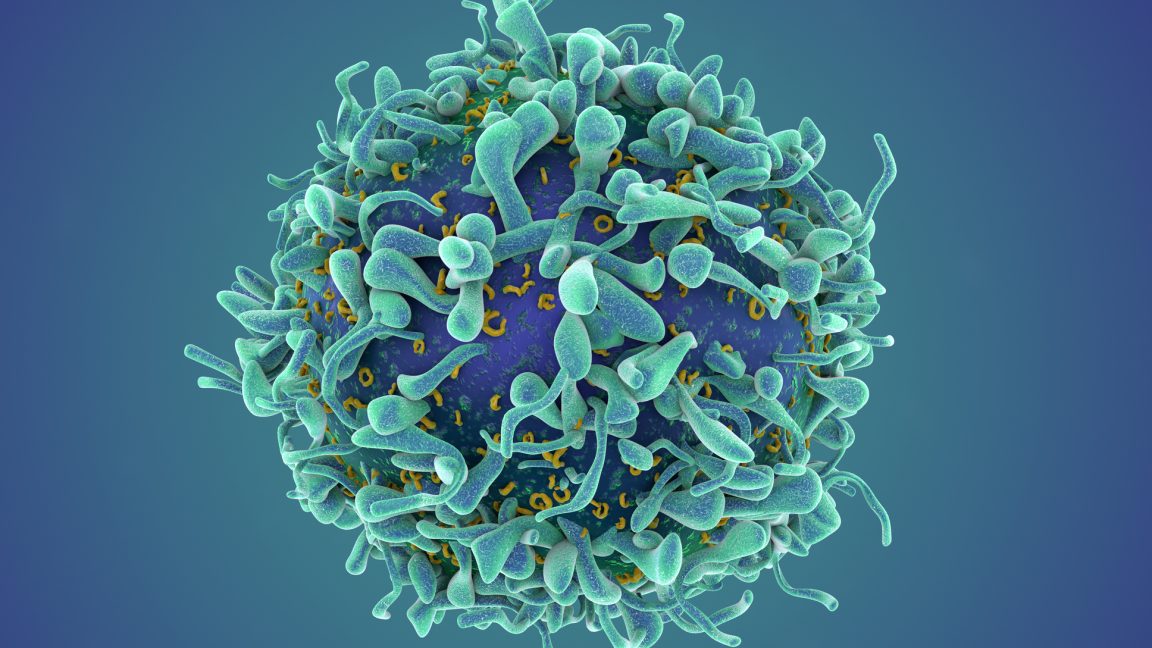
CAR T cell therapy represents a remarkable pivot in medical innovation, with its origins firmly rooted in oncology rather than immunology. The treatment was originally designed to target and eliminate cancer cells by reprogramming the patient's own immune cells to recognize and destroy malignant tumors with unprecedented precision. This sophisticated approach involves extracting T cells from a patient's bloodstream, genetically modifying them in laboratory settings to express chimeric antigen receptors (CARs), and then reinfusing these engineered cells back into the patient's body where they function as biological assassins targeting cancer cells.
The remarkable success of CAR T therapy in treating various blood cancers has sparked international interest in its potential applications beyond oncology. Researchers and clinicians began theorizing that the same mechanism used to eliminate cancer cells could be adapted to address autoimmune diseases by targeting the dysfunctional immune cells responsible for attacking the body's own tissues. This conceptual leap has led to a dramatic expansion of CAR T clinical trials, with hundreds of trials now underway across multiple institutions worldwide, investigating its efficacy in treating conditions including multiple sclerosis, systemic lupus erythematosus, Graves' disease, vasculitis, and numerous other autoimmune conditions.
The therapeutic rationale behind this application is elegantly straightforward: in autoimmune diseases, the immune system malfunctions by producing cells that mistakenly identify the body's own tissues as foreign invaders. CAR T therapy aims to selectively identify and eliminate these pathogenic cells while preserving the remainder of the immune system's protective functions. The fundamental hope driving these trials is that CAR T can replicate the transformative success it has demonstrated in blood cancers by essentially resetting the immune system and eliminating the cellular culprits responsible for autoimmune destruction.
The potential implications of successfully adapting CAR T technology for autoimmune treatment are staggering. Currently, most autoimmune disease management strategies rely on broadly immunosuppressive medications that dampen overall immune function, often causing significant side effects and leaving patients vulnerable to infections. These conventional approaches typically control symptoms rather than addressing the underlying disease mechanism, requiring patients to maintain lifelong medication regimens with escalating doses and changing formulations as drug tolerance develops.
Jan Janisch-Hanzlik's enrollment as the first patient in the University of Nebraska Medical Center trial represents more than just another clinical research participant—she embodies the desperation and hope of millions suffering from progressive autoimmune diseases who have limited options. Her willingness to participate in this experimental treatment reflects both her personal determination and the genuine medical need for innovative therapeutic approaches that go beyond symptom management to potentially achieve disease remission or reversal.
The development of CAR T therapy itself represents decades of fundamental immunological research and clinical experimentation. Scientists spent years understanding how T cells recognize and respond to threats, how to safely modify their genetic structure, and how to scale manufacturing processes for commercial viability. The transition from theoretical concept to FDA-approved cancer treatment required overcoming numerous technical challenges, safety concerns, and regulatory hurdles. Now, the medical community is applying these hard-won insights to address autoimmune conditions, hoping to achieve similar breakthrough outcomes.

Multiple sclerosis, the condition affecting Janisch-Hanzlik, represents a particularly attractive candidate for CAR T autoimmune treatment because researchers have developed detailed understanding of the specific immune cells driving the disease. MS occurs when T cells and other immune components attack myelin, the insulating sheath surrounding nerve fibers, leading to progressive neurological deterioration. By targeting and eliminating these specific pathogenic cells, CAR T therapy theoretically could halt or even reverse the disease process, fundamentally altering the disease trajectory for millions of MS patients worldwide.
The practical process of administering CAR T therapy to autoimmune patients follows a carefully orchestrated protocol developed through years of cancer treatment experience. Patients undergo initial screening and preparation, including chemotherapy conditioning to create space in the immune system for the engineered cells. The actual CAR T cell manufacturing process requires several weeks, during which the patient's cells are extracted, modified, expanded in number, and tested for safety and efficacy before reinfusion. This timeline requires significant coordination between the patient, the clinical team, and specialized manufacturing facilities.
Safety considerations remain paramount in adapting CAR T therapy from cancer treatment to autoimmune applications. The cytokine release syndrome and neurotoxicity observed in some cancer patients receiving CAR T therapy have prompted researchers to develop improved cell designs and monitoring protocols for autoimmune patients. Because autoimmune patients often have different baseline immune function and disease characteristics compared to cancer patients, clinical teams must carefully calibrate treatment intensity and patient monitoring to maximize therapeutic benefits while minimizing adverse events.
The broader medical community is watching these autoimmune CAR T trials with considerable interest and cautious optimism. Success in this space could validate an entirely new therapeutic paradigm, potentially unlocking innovative treatment solutions for dozens of autoimmune conditions currently managed with limited effectiveness. The expanding pipeline of trials investigating CAR T applications in lupus, vasculitis, Graves' disease, and other conditions suggests that the medical field is taking this therapeutic avenue seriously, dedicating significant research resources and clinical infrastructure to determine whether this cancer treatment can truly transform autoimmune disease management.
For patients like Jan Janisch-Hanzlik, participation in these trials offers more than just access to a potentially transformative treatment—it represents hope for recovering the independence and quality of life that autoimmune diseases have stolen. Whether CAR T therapy ultimately fulfills its promise in autoimmune treatment remains to be determined through rigorous clinical investigation, but the preliminary enthusiasm and extensive trial activity suggest that a genuine medical breakthrough may be within reach for millions of patients suffering from these devastating conditions.
Source: Ars Technica

