
Caribbean Beach Access Crisis: Foreign Developers Taking Over

Campaigners across Barbuda, Grenada, and Jamaica fight to reclaim public beach access as foreign developers increasingly privatize Caribbean coastlines.
Across the Caribbean islands of Barbuda, Grenada, and Jamaica, a growing grassroots movement is emerging to combat what many local residents view as an alarming trend: the systematic privatization of their nation's beaches by foreign developers. These campaigners argue that they are being systematically excluded from accessing Caribbean beaches that have historically served as vital cultural, recreational, and economic spaces for generations of island communities.
The issue has become increasingly visible in recent years as property development accelerates throughout the region. Local activists report that beach access restrictions have become commonplace, with luxury resorts, private residences, and gated communities effectively blocking traditional routes to the shoreline. What was once considered a public birthright in many Caribbean nations is now being treated as a private commodity, owned and controlled by international investment firms and wealthy foreign nationals.
In Barbuda specifically, residents have raised concerns about how rapid development projects have transformed the island's landscape. Community leaders describe a sense of displacement and loss as their connection to ancestral lands diminishes. The tension between local preservation efforts and external profit motives has created a palpable divide within these island communities, with many questioning whether foreign investment truly benefits ordinary citizens or primarily enriches distant stakeholders.
Grenada presents a similar narrative of cultural erosion and economic disparity. Local fishermen and beach vendors who once depended on unrestricted coastal access now find themselves navigating complex legal boundaries and private property designations. These restrictions have direct implications for traditional livelihoods and the cultural practices that have defined Grenadian identity for centuries.
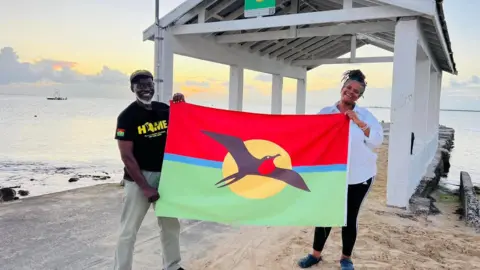
The situation in Jamaica exemplifies the broader pattern affecting Caribbean property rights and coastal development across the region. Jamaica's tourism-driven economy has accelerated foreign investment in beachfront properties, leading to privatization efforts that alarm conservationists and community advocates. The conflict highlights deeper questions about sovereignty, resource management, and who truly benefits from tourism development in post-colonial Caribbean nations.
Legal frameworks governing beach access vary significantly across Caribbean jurisdictions, creating a complex patchwork of regulations. While some islands maintain constitutional provisions protecting public beach access, enforcement remains inconsistent. Property developers often exploit ambiguities in local regulations, or work with governments to modify zoning laws that facilitate private development. This legal maneuvering effectively circumvents traditional public rights, leaving communities with limited recourse.
Environmental concerns compound the social justice issues at stake. Rapid, unregulated development threatens delicate coastal ecosystems, including coral reefs, seagrass beds, and critical habitats for marine species. Local environmental groups argue that foreign developers prioritize short-term profits over ecological sustainability, implementing construction practices that damage irreplaceable natural resources. This environmental degradation disproportionately affects Caribbean communities who depend on healthy coastal ecosystems for food security and economic survival.
The economic arguments presented by development advocates—job creation, increased tax revenue, and infrastructure improvements—often fail to materialize in equitable ways. While foreign investors and government officials point to employment opportunities, critics note that these jobs frequently offer minimal wages and limited advancement potential for locals. Meanwhile, wealth generated by Caribbean real estate development often flows directly to foreign corporations and international investors rather than remaining within local economies.

Indigenous and historical claims to Caribbean coastal lands add another important dimension to this dispute. Many residents view these beaches not merely as recreational spaces but as ancestral territories with deep cultural and spiritual significance. Development that erases public access simultaneously erases opportunities for cultural transmission, ceremonies, and community gathering—elements essential to cultural preservation in post-colonial societies.
Grassroots organizations in each island nation have mobilized to challenge these trends through various means. Activists have organized public demonstrations, filed legal challenges, engaged in community education campaigns, and lobbied government officials to strengthen protections for public beach access rights. These efforts reflect a broader determination to assert local control over Caribbean resources and resist what many perceive as neocolonial economic patterns.
The international tourism industry's relationship with Caribbean development remains complex and contested. While tourism generates significant revenue for island economies, the current development model raises questions about sustainability and equitable distribution of benefits. Critics argue that Caribbean governments should negotiate more favorable terms with foreign investors, ensuring that coastal property development genuinely improves quality of life for local populations rather than simply enriching external parties.
International organizations and human rights groups have increasingly focused attention on Caribbean beach privatization as a human rights concern. The United Nations and various NGOs recognize that restricting access to natural resources can violate basic rights to cultural expression, livelihoods, and environmental stewardship. This international scrutiny provides campaigners with additional leverage in negotiations with national governments and corporate entities.
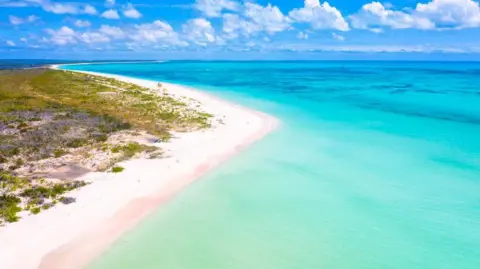
Government responses to these campaigns have been mixed and often inadequate. Some officials acknowledge the concerns but argue that economic development is necessary for national progress. Others remain largely unresponsive or actively facilitate further development. This disconnect between government priorities and community preferences suggests deeper structural issues within Caribbean governance, where decision-making power remains concentrated among elites disconnected from grassroots concerns.
The path forward remains uncertain as these conflicts continue to intensify. Some communities are exploring innovative solutions, such as community land trusts, cooperative development models, and strengthened legal protections for public access. These alternatives seek to balance economic development with community interests and environmental protection, though implementation faces significant political and financial obstacles.
The struggle for beach access in Barbuda, Grenada, Jamaica, and beyond represents something far larger than a simple property dispute. It reflects fundamental questions about post-colonial sovereignty, resource justice, cultural preservation, and the right of communities to determine their own development paths. As these campaigns continue, they provide valuable lessons for other developing nations facing similar pressures from foreign investment and globalized real estate markets.

Ultimately, the outcome of these struggles will reveal much about the state of democracy and self-determination in Caribbean nations. Whether these islands can effectively assert control over their natural resources and coastal heritage, or whether external economic forces continue to reshape their territories, remains a pivotal question for the region's future. The voices of Barbuda, Grenada, and Jamaica's residents deserve serious consideration in any serious discussion about Caribbean development policy.
Source: BBC News


