
The CDC has temporarily suspended testing for several infectious illnesses, citing staff shortages. Learn how this disruption impacts public health monitoring and disease detection.
The Centers for Disease Control and Prevention (CDC), the leading U.S. public health agency, has been forced to temporarily halt testing for a range of infectious diseases due to staffing shortages. This disruption in the CDC's crucial disease monitoring and diagnostic capabilities raises significant concerns for public health experts and the general public alike.
According to the CDC's own published list, more than two dozen different types of testing, including for rabies, human herpesvirus, and several other infectious illnesses, are now unavailable from the federal agency.
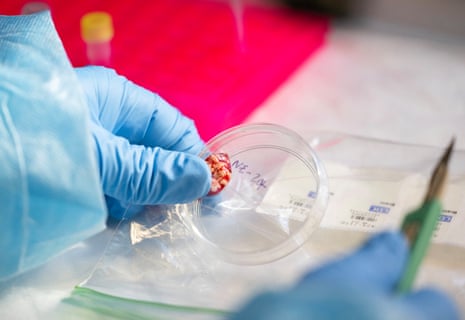
The CDC, which normally supports state and local public health labs across the country, has been hobbled by staff departures in recent years, a trend that has only been exacerbated by the COVID-19 pandemic. This staffing crisis has severely limited the agency's ability to maintain its full range of diagnostic testing services.
"The CDC is the backbone of the nation's public health system, and when they have to cut back on critical testing like this, it's a real cause for concern," said Dr. Amesh Adalja, a senior scholar at the Johns Hopkins Center for Health Security. "It highlights the urgent need to address the staffing challenges facing public health agencies at all levels."
The temporary suspension of these testing services means that state and local labs will now have to rely on alternative methods or send samples to private labs, potentially leading to delays in diagnosis and outbreak detection. This disruption could have far-reaching consequences, particularly for rare or unusual infectious diseases that require specialized expertise and equipment.
"When the CDC can't do its job, it really hampers our ability to monitor and respond to emerging health threats," said Dr. Jennifer Nuzzo, an epidemiologist and director of the Pandemic Center at the Brown University School of Public Health. "It's a worrying development that underscores the fragility of our public health infrastructure."
The CDC's decision to temporarily halt these testing services is a stark reminder of the ongoing challenges facing the U.S. public health system. As the country continues to grapple with the long-term impacts of the COVID-19 pandemic, investing in and strengthening the CDC and other public health agencies will be crucial to ensuring the nation's resilience in the face of future health crises.
Source: The Guardian



