
Chad Violence: 42+ Dead in Water Well Dispute

A deadly conflict in Chad has claimed at least 42 lives after a water well dispute between two families escalated into a cycle of violent reprisal attacks.
A tragic escalation of violence in Chad has resulted in the deaths of at least 42 people, stemming from what began as a localized water well dispute between two neighboring families. The conflict, which originated from tensions over access to a critical water resource in the arid region, quickly spiraled into a broader cycle of retaliatory violence that has devastated communities and raised serious concerns about the stability of the already fragile nation. Authorities and humanitarian organizations are scrambling to contain the situation and prevent further loss of life.
The initial confrontation between the two families centered on competing claims to a water well, a resource of paramount importance in Chad's harsh climatic conditions where access to fresh water is often a matter of survival. Water disputes in sub-Saharan Africa have long been recognized as potential flashpoints for conflict, particularly in regions experiencing prolonged drought and population pressure. The specific details of the original disagreement remain unclear, but witnesses indicate that what started as a heated argument quickly turned violent, with initial casualties reported on both sides of the dispute.
As news of the initial deaths spread through the affected communities, relatives and allies of the victims began organizing reprisal attacks against the opposing family and their supporters. This triggered a dangerous cycle of reprisal violence that has proven difficult for local authorities to control or halt. The escalating nature of the conflict has transformed a localized family feud into a broader communal clash, with previously uninvolved community members being drawn into the violence.
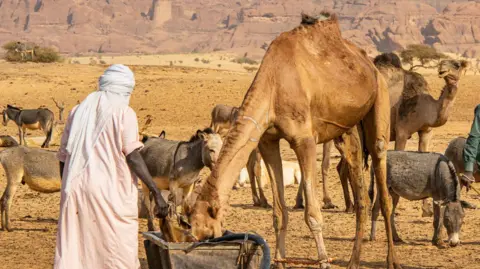
The Chad violence reflects broader challenges facing the nation, which has experienced decades of instability, military coups, and regional conflicts. With limited government presence in many rural areas, communities often rely on traditional dispute resolution mechanisms that can sometimes fail to prevent escalation. The state's capacity to enforce law and order in remote regions remains significantly constrained, allowing local conflicts to fester and expand without adequate intervention.
Security forces have been deployed to the affected area in an attempt to restore order and prevent further casualties. However, the challenging terrain and the dispersed nature of the communities involved have complicated response efforts. Local officials have called for urgent humanitarian assistance and medical support for the wounded, many of whom lack access to adequate healthcare facilities. The scale of the violence has overwhelmed local medical resources, with hospitals in the region reporting they are struggling to cope with the influx of casualties.
Water scarcity remains one of the most pressing challenges facing Chad's population, with climate change exacerbating the already difficult environmental conditions in the Sahel region. Wells and other water sources represent valuable assets that can determine the survival and prosperity of entire communities. When disputes over such critical resources occur, they can rapidly transform into deadly conflicts if not managed carefully through dialogue and mediation. The incident underscores the urgent need for resource management and conflict prevention mechanisms in water-stressed regions.

Humanitarian organizations operating in Chad have expressed deep concern about the humanitarian implications of the escalating violence. The conflict has displaced some families from their homes, with reports indicating that certain communities have fled the area to escape the violence. These displaced persons face additional hardships, including lack of shelter, food insecurity, and limited access to clean water and sanitation facilities. The humanitarian crisis resulting from the dispute threatens to exacerbate existing vulnerabilities among the region's population.
The communal conflict has also raised questions about the effectiveness of local governance structures in preventing violence and maintaining peace. Traditional leaders and community elders, who traditionally played crucial roles in dispute resolution, have faced challenges in restoring calm. Some reports suggest that the rapid militarization of the dispute, with armed youth becoming involved, has made it increasingly difficult for these traditional mechanisms to function effectively. The involvement of young men with access to weapons has transformed what might have remained a limited dispute into a full-scale security crisis.
Regional observers note that the incident is not isolated but rather represents part of a broader pattern of resource-driven conflicts emerging across the Sahel region. As environmental degradation continues and competition for scarce resources intensifies, similar disputes are expected to occur with increasing frequency unless comprehensive strategies are developed to address underlying grievances and improve resource allocation. International organizations have called for greater investment in conflict prevention and sustainable resource management across the region.
The Chad government has pledged to conduct a thorough investigation into the incident and hold those responsible for the violence accountable. Officials have also indicated that measures will be taken to enhance security in the affected region and prevent further escalation. However, sustainable resolution of the underlying tensions will require addressing the fundamental issues of water access, resource governance, and inter-community relations that contributed to the conflict. Long-term peace will depend on implementing comprehensive solutions that go beyond immediate security responses.
International humanitarian agencies are providing support to local authorities in managing the crisis and attending to the needs of affected populations. Medical teams have been mobilized to treat the wounded and prevent potential disease outbreaks that could result from the disruption of normal sanitation and healthcare services. The humanitarian response is expected to expand as assessments of the full extent of the crisis are completed. Global attention to the situation highlights the urgent need for conflict prevention and peacebuilding initiatives in fragile regions like Chad.
As investigations continue and security operations proceed, the focus will likely shift toward reconciliation and rebuilding efforts. Bringing the perpetrators of violence to justice while simultaneously facilitating community dialogue and reconciliation will be critical challenges for Chad's authorities. The incident serves as a stark reminder of how quickly localized disputes can escalate into deadly violence when underlying grievances remain unaddressed and dispute resolution mechanisms prove inadequate. Moving forward, preventing similar tragedies will require sustained commitment to peace, dialogue, and equitable resource management.
Source: BBC News


