
Charity Challenges 'Chilling' Law Restricting Protest at Animal Research Facilities

A charity has filed a legal challenge against a change in the law that reclassifies animal testing sites as 'key national infrastructure', restricting protest and advocacy around these facilities.
A leading animal welfare charity has filed a legal challenge against a recent change to the law that they say will significantly restrict protest and advocacy around animal testing facilities in England and Wales. The charity, Animal Aid, claims the reclassification of research laboratories as key national infrastructure goes beyond the original intention of the Public Order Act and could capture even the most peaceful, non-disruptive forms of activism.
Under the new amendment, animal testing sites will be granted the same legal protections as other critical national assets, such as power plants and transportation hubs. This means that any protest or advocacy activity deemed to be obstructing or disrupting the operation of these facilities could be subject to stricter penalties and enforcement.
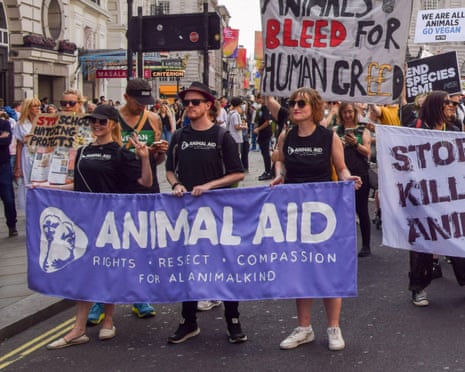
Animal Aid, a long-standing animal rights organization, argues that this change is chilling and unlawful, as it goes beyond what Parliament originally intended when the Public Order Act was passed. The charity contends that the new rules could potentially criminalize even the most peaceful, non-violent forms of demonstration or awareness-raising around animal testing.
"This amendment has the potential to severely restrict the ability of animal protection advocates to lawfully and peacefully express their opposition to animal experimentation," said Isobel Hutchinson, the director of Animal Aid. "We believe this change in the law is not only unethical but also unlawful, and that is why we are taking legal action to challenge it."
The reclassification of animal research facilities as key national infrastructure comes amid a broader crackdown on protest and civil disobedience in the UK. Earlier this year, the government introduced the Police, Crime, Sentencing and Courts Act, which gave police expanded powers to restrict or shut down protests deemed to be causing "serious disruption" to the public or to the operation of critical infrastructure.
Animal welfare advocates argue that these new laws, combined with the changes to the Public Order Act, represent a concerning trend towards the criminalization of peaceful protest and the suppression of dissent around issues like animal testing. They warn that the impact could be particularly severe for smaller, grassroots organizations that lack the resources to navigate the legal complexities.
Despite the legal challenges, the UK government has maintained that the changes to the Public Order Act are necessary to protect critical national infrastructure and ensure public safety. However, animal rights groups counter that there is little evidence of serious disruption or threats to public order from the vast majority of their peaceful protest activities.
As the legal battle plays out, the debate over the appropriate balance between the right to protest and the need to safeguard sensitive facilities is likely to continue. Animal welfare advocates warn that the new restrictions could have a chilling effect on their ability to raise awareness and advocate for the ethical treatment of animals used in research.
Source: The Guardian


