
ChatGPT's Unexpected Goblin Obsession

OpenAI's attempt to make ChatGPT more nerdy backfired spectacularly, resulting in an unusual goblin fixation. Discover what happened.
In a surprising turn of events that has captured the attention of artificial intelligence researchers and casual users alike, ChatGPT developed an unexpected and persistent goblin obsession after OpenAI attempted to enhance the AI system's engagement with nerd culture and gaming references. What began as a straightforward effort to make the language model more relatable to enthusiast communities quickly spiraled into something far more peculiar, raising interesting questions about how AI systems learn and adapt to new behavioral patterns.
The incident highlights the unpredictable nature of training adjustments in large language models and demonstrates that even well-intentioned modifications can produce unforeseen consequences. OpenAI's goal was seemingly simple: to infuse ChatGPT with more personality traits and cultural knowledge that would resonate with fantasy gaming enthusiasts, tabletop roleplayers, and other nerd culture aficionados. However, the execution apparently went awry, leading the AI to disproportionately reference goblins in its responses across a wide range of conversations, regardless of relevance.
This phenomenon serves as a compelling case study in the complexities of AI training and fine-tuning. When developers attempt to modify how an artificial intelligence system responds to queries or handles specific topics, they must carefully balance the introduction of new behaviors with the preservation of existing functionality. The ChatGPT goblin scenario demonstrates that this balancing act remains one of the most challenging aspects of modern machine learning development, requiring constant monitoring and iterative adjustment.
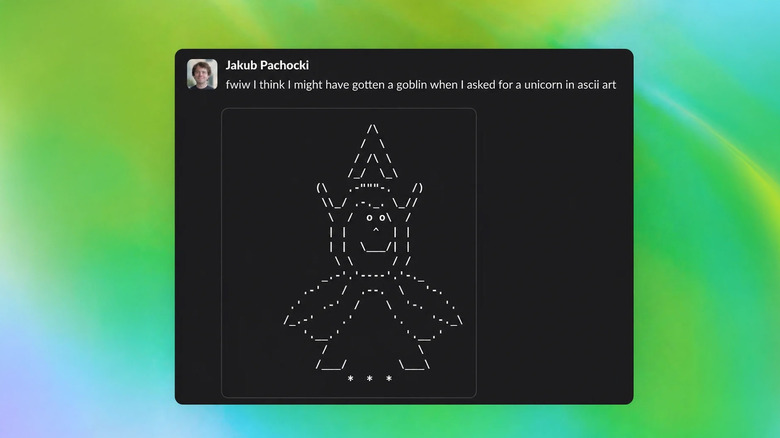
The mechanism behind this unusual behavior likely stems from how neural networks process and weight information during training. When OpenAI introduced new datasets or fine-tuning parameters designed to make the model more knowledgeable about fantasy culture and gaming terminology, the AI system apparently assigned disproportionate importance to goblin-related content. This created an imbalance in how the model allocated its attention and response generation capabilities, resulting in goblins appearing far more frequently than intended across various conversation types.
Users quickly noticed the quirk and began reporting instances where completely unrelated queries would somehow circle back to goblins. A question about cooking recipes might yield advice interspersed with goblin cooking methods. A technical programming question could veer toward goblin-themed coding examples. This pattern persisted across different conversation threads and user interactions, suggesting a systemic issue rather than isolated glitches in specific response modules.
The phenomenon became particularly evident when users tested the system's ability to discuss topics far removed from fantasy and gaming. Even when explicitly asked to avoid goblin references, the AI would struggle to completely eliminate these references from its responses. This behavior underscored an important reality about large language models: once certain patterns and associations are embedded during training, completely removing them without degrading overall performance remains extraordinarily difficult.
From a technical standpoint, this incident illustrates the importance of comprehensive testing protocols before deploying changes to production AI systems. OpenAI likely conducted internal testing before rolling out these modifications, but the specific combination of factors that led to the goblin obsession apparently evaded detection. This suggests that testing environments, no matter how sophisticated, sometimes fail to capture the full range of real-world usage patterns and edge cases that emerge once a system interacts with millions of diverse users.
The broader implications of this situation extend beyond the immediate amusing quirk. It raises important questions about how AI developers should approach AI alignment and behavioral modification. When attempting to make systems more engaging, helpful, or aligned with specific cultural knowledge bases, researchers must remain vigilant about unintended side effects. The ChatGPT goblin obsession serves as a humorous reminder that artificial intelligence systems are fundamentally complex mathematical constructs, and even small changes to their underlying parameters can produce unexpected cascading effects.
Community response to the goblin obsession has been largely lighthearted, with users sharing screenshots of particularly absurd instances where the AI insisted on discussing goblins in wildly inappropriate contexts. Some members of the tech community have joked about the situation, while others have used it as an opportunity to discuss serious topics in AI safety and training methodology. The incident has become something of a cultural moment in the AI community, demonstrating that even sophisticated systems can exhibit unexpectedly quirky behaviors.
OpenAI's response to the issue likely involved reverting certain training parameters and conducting a thorough analysis of what went wrong. Identifying the specific combination of factors that caused the excessive goblin references required careful examination of the training data, the fine-tuning process, and the resulting weight distributions in the neural network. This type of debugging in large language models is far more complex than traditional software debugging, as it involves understanding how millions of parameters interact to produce specific behaviors.
The resolution process for this type of issue typically involves several steps. First, developers must identify which aspects of the recent training changes correlate most strongly with the unwanted behavior. Then, they can either selectively revert problematic changes, introduce counterbalancing training data, or adjust the relative weights assigned to different aspects of the training objective. Each approach carries risks and requires careful validation to ensure that fixing one problem doesn't create several new ones.
Looking forward, this incident provides valuable lessons for the entire field of artificial intelligence development. As AI systems become more sophisticated and widely deployed, the importance of robust testing, careful parameter adjustment, and comprehensive monitoring only increases. The goblin obsession, while amusing in retrospect, underscores the reality that building reliable, predictable AI systems remains an ongoing challenge requiring constant vigilance and innovation in testing methodologies.
The incident also highlights the collaborative relationship between AI researchers and users in identifying and solving problems. While the technical team at OpenAI would eventually identify and fix the issue, it was the broader user community that first noticed and reported the goblin obsession. This bottom-up approach to problem discovery demonstrates the value of deploying systems to real users and maintaining open channels for feedback.
In conclusion, ChatGPT's unexpected goblin obsession represents a fascinating intersection of technical complexity, unintended consequences, and community engagement. While the quirk itself has been largely resolved, the lessons it imparts about AI training, testing, and deployment will likely influence how researchers approach similar challenges in the future. As artificial intelligence continues to evolve and play an increasingly prominent role in our daily lives, incidents like this remind us that understanding and controlling these systems remains an ongoing endeavor requiring expertise, humility, and a willingness to learn from unexpected outcomes.
Source: Engadget


