
Cheaper Blockbuster Games Challenge £70 Price Tag

As speculation swirls around the high development costs of major titles like GTA 6, some game studios are intentionally pricing their blockbuster releases lower to appeal to more consumers.
The video game industry has long grappled with the rising costs of producing blockbuster titles, leading to speculation that the standard £70 price tag for big-budget games may soon become harder to justify. Recent reports suggest that highly anticipated releases like the next installment in the Grand Theft Auto franchise, GTA 6, could cost as much as $100 (£74) to develop, putting significant pressure on game studios to recoup their investments.
However, in the face of these ballooning budgets, some developers are bucking the trend and deliberately pricing their blockbuster games lower than the industry standard. This strategic move aims to attract more players and potentially drive higher sales volumes, even if individual unit profits are lower.
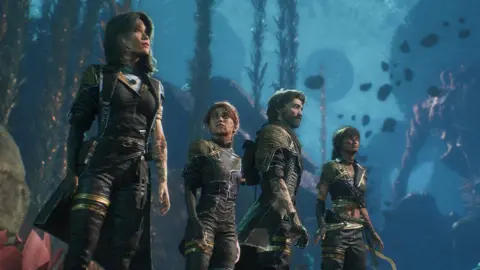
One notable example is Bethesda's upcoming Starfield, which is slated to launch at a £59.99 price point – a significant departure from the £70 price tag typically associated with big-name releases. Similarly, Horizon Forbidden West, the highly anticipated sequel to Horizon Zero Dawn, was also priced at £59.99 upon its release in 2022.
These strategic pricing decisions reflect a growing acknowledgment within the industry that the £70 price tag may be becoming increasingly difficult to justify, especially in the face of economic uncertainty and the need to attract a broader player base. By offering their blockbuster titles at more affordable prices, game studios are hoping to strike a balance between maintaining profitability and ensuring that their games are accessible to a wider audience.

The trend towards lower-priced blockbuster games is not without its challenges, however. Game developers must carefully weigh the potential impact on their overall revenue and profit margins, as well as the implications for the industry as a whole. Additionally, there is a risk that consumers may come to expect all major releases to be priced at the lower end of the spectrum, potentially putting further pressure on game studios to cut costs or find alternative revenue streams.
Nonetheless, the strategic pricing decisions being made by some game developers suggest that the industry is evolving and adapting to the changing needs and expectations of players. As the cost of game development continues to rise, it will be interesting to see how the industry responds and whether the £70 price tag becomes a relic of the past or a standard that persists in the years to come.

Source: BBC News


