
Child Molester Invokes Fifth 700 Times in Murder Probe

Convicted child molester Stanley Burkhardt refuses to answer questions about unsolved youth killings during deposition in civil lawsuit against New Orleans police.
In a striking display of legal maneuvering, Stanley Burkhardt, a convicted child molester with a troubling history spanning decades, exercised his Fifth Amendment rights an extraordinary 700 times during a recent deposition. The former sex crimes investigator refused to answer questions while being questioned under oath, particularly when confronted about his potential involvement in unsolved youth murders that have haunted New Orleans for years.
Burkhardt's remarkable silence came during a civil lawsuit deposition brought by an alleged victim of sexual abuse, with the case naming both Burkhardt and the New Orleans Police Department (NOPD) as defendants. The deposition represents a critical moment in efforts to seek accountability for decades of abuse and potential criminal activity that may have gone unpunished. His consistent refusal to respond to queries has raised serious questions about what he might be concealing regarding murders that have long puzzled investigators.
The sheer number of times Burkhardt invoked his constitutional protections during the questioning underscores the gravity of the allegations swirling around him. Legal experts note that while individuals have every right to remain silent, the pattern of refusal across hundreds of questions often speaks volumes in civil proceedings where the stakes differ from criminal trials. The deposition serves as a window into the troubled history of an individual who allegedly exploited his position of authority within law enforcement to prey on vulnerable youth.

Burkhardt's background presents a deeply troubling narrative that has captivated investigators and prosecutors for years. As a former investigator tasked with protecting children from sexual exploitation, his convictions for child molestation represent a profound betrayal of public trust and institutional responsibility. His multiple incarcerations and releases demonstrate a pattern that has allowed him to cycle through the criminal justice system while leaving questions about potential violent crimes unanswered.
The unsolved killings in question involve youths who were within Burkhardt's sphere of influence, raising the possibility that his access to vulnerable individuals may have extended beyond sexual exploitation to potential homicide. Investigators have long suspected connections between Burkhardt and these deaths, but proving such connections in a criminal context remains challenging without his cooperation or definitive physical evidence. The civil case provides an alternative avenue for truth-seeking, even if it cannot result in criminal conviction.
The New Orleans Police Department's role in employing Burkhardt as a sex crimes investigator has become a focal point of criticism and legal action. Questions about how thoroughly the department vetted its staff, what safeguards existed to monitor his behavior, and whether warning signs were ignored have all come to light in subsequent investigations. The civil lawsuit seeks to hold the institution accountable for its failures in oversight and responsibility, arguing that the department failed to protect citizens from a predator in their midst.
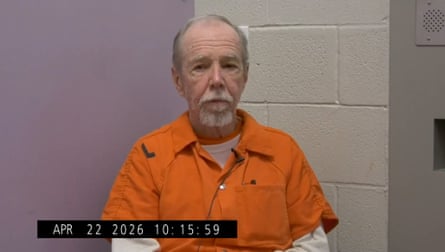
The deposition itself represents a rare opportunity to force Burkhardt to confront specific allegations about his actions, even if he ultimately refuses to answer. Under oath, his consistent invocation of the Fifth Amendment creates a detailed record of which questions he will not address, providing investigators and attorneys with important clues about areas of vulnerability or potential criminal exposure. This record can be presented to juries in civil trials and may influence how courts view his credibility and culpability.
Legal observers have noted that the strategy of invoking the Fifth Amendment hundreds of times, while legally permissible, can have significant consequences in civil litigation. Unlike criminal proceedings where such silence cannot be used against a defendant, civil courts may draw adverse inferences from a party's refusal to testify, potentially viewing silence as an admission of guilt or knowledge of damaging facts. The jury in the civil case will ultimately decide how much weight to give this refusal to answer.
The case highlights broader systemic issues within law enforcement regarding background checks, ongoing supervision, and mechanisms for preventing individuals with violent tendencies from gaining positions of authority over vulnerable populations. The NOPD's employment of Burkhardt as a sex crimes investigator raises fundamental questions about institutional culture, training protocols, and accountability measures that protect the public from internal threats. Investigations into how this situation developed continue to unfold in various legal forums.
The alleged sexual abuse victim pursuing the civil case has been seeking answers and accountability through the legal system, a path that many survivors of institutional abuse have had to navigate. The lawsuit represents an effort to establish a record of harm, assign responsibility, and potentially secure compensation for damages inflicted. These civil cases often serve as crucial mechanisms for accountability when criminal prosecution proves difficult or impossible.
As the case proceeds through the legal system, the deposition record will likely be scrutinized by multiple parties with differing interests in the outcome. Law enforcement agencies may study it to improve their hiring and oversight practices, attorneys will analyze it for strategic advantage, and the public will watch closely for any insights into the unsolved murders that have troubled New Orleans for decades. The Fifth Amendment protections Burkhardt invoked are his legal right, yet his refusal to answer remains a stark reminder of unresolved questions that may never be fully addressed.
The situation surrounding Stanley Burkhardt continues to reverberate through New Orleans' criminal justice system and community consciousness, serving as a cautionary tale about the dangers of inadequate institutional safeguards and the vulnerability of youth in the system. His case demonstrates that serious questions about potential violent crimes may remain unanswered even in an era of modern investigation techniques and legal mechanisms designed to pursue justice. The ongoing civil litigation will continue to pursue accountability, even as some questions may ultimately remain in the shadows.
Source: The Guardian


