
China Agrees to Purchase 200 Boeing Aircraft

China confirms major Boeing aircraft order following Trump-Xi summit talks. Both nations aim to extend tariff ceasefire agreement reached in October.
In a significant development following high-level diplomatic discussions, China has confirmed its commitment to purchase 200 Boeing aircraft, marking a substantial agreement between the two economic superpowers. This announcement comes in the aftermath of a closely-watched summit between President Donald Trump and Chinese President Xi Jinping, signaling a potential thaw in the prolonged trade tensions that have characterized US-China relations over the past several years.
The Boeing aircraft deal represents one of the largest commercial aviation orders from China in recent memory, reflecting both nations' desire to strengthen economic ties and foster renewed cooperation in critical sectors. The purchase demonstrates China's continued investment in modernizing its domestic aviation infrastructure and expanding the capacity of Chinese airlines to meet growing domestic travel demands. This substantial commitment to acquiring American-made commercial aircraft underscores the importance of maintaining robust trade relationships between the two countries despite previous disputes.
According to statements released by China's Commerce Ministry, the two nations have committed not only to finalizing this aircraft procurement but also to working collaboratively toward extending the tariffs truce that was mutually agreed upon in October. This tariff agreement had represented a crucial breakthrough in trade negotiations, temporarily halting the escalating cycle of retaliatory tariffs that had previously disrupted bilateral commerce and created uncertainty in global markets.
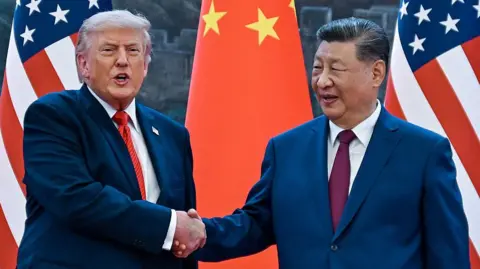
The Trump-Xi summit served as a critical platform for addressing longstanding trade grievances and establishing new frameworks for economic cooperation. During these talks, both leaders emphasized their commitment to reducing trade barriers and fostering a more balanced commercial relationship. The diplomatic engagement reflected growing recognition that prolonged trade conflict benefits neither nation and that dialogue remains essential for resolving complex economic disputes.
The tariff ceasefire agreement initially established in October had provided breathing room for businesses on both sides of the Pacific, allowing companies to plan operations with greater certainty and reducing the volatility that had characterized earlier phases of the trade dispute. By extending this truce, both governments aim to create sustained stability that enables businesses to make long-term investment decisions and maintain consistent supply chains.
China's decision to commit to purchasing 200 Boeing jets carries profound implications for the American aerospace manufacturing sector, which has faced considerable headwinds in recent years due to various challenges including trade tensions, production issues, and fluctuating demand. The Boeing aircraft order provides a significant boost to American manufacturers, supporting thousands of jobs across the company's supply chain and reinforcing the importance of the commercial aviation sector to the broader American economy.
The agreement also demonstrates the mutual economic interdependence that characterizes the US-China relationship, despite the contentious nature of recent trade negotiations. Both nations recognize that cooperation in sectors like aviation, where American technological expertise meets Chinese market demands, creates mutually beneficial outcomes. This understanding underscores the importance of finding common ground on trade issues that have previously threatened to derail bilateral relationships.
Looking forward, the commitment to extend the tariffs truce suggests that negotiators may be developing a more sustainable framework for managing trade disputes. Rather than engaging in cyclical rounds of tariff escalation and retaliation, both nations appear interested in establishing mechanisms that allow for grievance resolution without resorting to economically damaging trade wars. This approach reflects lessons learned from the costly consequences of previous tariff disputes.
The China aircraft purchase is expected to be distributed across Chinese airlines and leasing companies, supporting the expansion of commercial aviation capacity in China's rapidly growing air travel market. As Chinese consumers increasingly embrace air travel for both domestic and international journeys, the demand for modern, fuel-efficient commercial aircraft continues to expand. This order positions Boeing to capture a significant portion of this growing market demand.
Industry analysts suggest that this agreement may signal the beginning of a broader normalization of US-China trade relations, potentially opening doors for additional commercial partnerships across multiple sectors. The successful negotiation of the Boeing deal demonstrates that both governments possess the political will to move past contentious disputes and identify mutually advantageous opportunities. Such breakthroughs often have ripple effects, creating momentum for resolving disputes in other economic domains.
The timing of this announcement is particularly significant given the broader geopolitical context of US-China relations. By showcasing a concrete economic benefit resulting from improved diplomatic engagement, both nations can demonstrate to their respective constituencies that dialogue and negotiation yield tangible results. This serves to build domestic political support for continued cooperative efforts in addressing bilateral trade issues.
For Boeing specifically, the order provides crucial revenue and production planning certainty during a period of significant challenges and restructuring. The aerospace manufacturer has experienced substantial operational difficulties and market headwinds in recent years, making this substantial order from a major emerging market particularly valuable. The Boeing deal with China helps secure the company's production pipeline and supports its long-term financial stability and competitiveness in global markets.
The agreement also reflects China's strategic importance in global aviation markets and its role as an increasingly significant purchaser of commercial aircraft. As China's economy continues to develop and middle-class consumers gain greater purchasing power, domestic air travel demand continues to surge. Chinese airlines require modern, efficient aircraft to meet this demand while maximizing profitability and operational performance.
Moving forward, both governments will need to address the practical details of implementing the extended tariffs truce while simultaneously working to resolve underlying trade imbalances and structural economic issues that have fueled disputes. The commitment to extend the ceasefire demonstrates genuine intent to maintain cooperative relations, but sustained progress will require continued diplomatic effort and genuine commitment to compromise from both sides.
This agreement stands as testament to the importance of sustained dialogue in managing complex international economic relationships. The successful completion of Boeing aircraft purchase negotiations shows that even amid significant differences, nations can identify mutually beneficial opportunities and work collaboratively to realize them. As both nations continue their economic relationship journey, such agreements may serve as building blocks for a more stable and prosperous bilateral partnership.
Source: BBC News


