
China Bans Nvidia RTX 5090D V2 During Jensen Huang Visit

China adds Nvidia's RTX 5090D V2 to banned goods list while CEO Jensen Huang visits, escalating US-China AI chip competition.
In a significant escalation of geopolitical tensions surrounding artificial intelligence capabilities, Beijing has moved to ban Nvidia's RTX 5090D V2 graphics processor, a decision that carries considerable symbolic weight given the timing of the announcement. The Nvidia gaming chip was formally added to China's comprehensive list of prohibited goods at customs checkpoints on Friday of last week, according to documentation reviewed by the Financial Times and corroborated by two individuals familiar with the administrative decision. This action represents yet another critical development in the intensifying technological competition between the world's two largest economies as they vie for dominance in the rapidly evolving artificial intelligence sector.
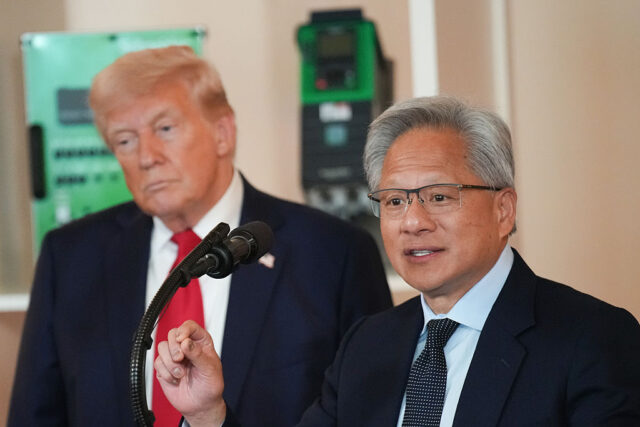
The timing of China's ban is particularly noteworthy, as it occurred during a high-profile visit to the country by Nvidia Chief Executive Officer Jensen Huang, who was traveling alongside former President Donald Trump. This convergence of events underscores Beijing's strategic determination to demonstrate its technological independence and resolve in limiting American corporate influence over its domestic computing infrastructure. The move sends a powerful message about China's willingness to take decisive action against foreign technology that it perceives as either incompatible with national interests or strategically disadvantageous to its own technology sector development.
The ban specifically targets what Nvidia classifies as degraded or export-controlled versions of its high-performance chips, which the company has produced in order to comply with strict US export controls implemented against China. These modified versions, while technically inferior to their unrestricted counterparts, remain powerful tools for machine learning and artificial intelligence applications. China's decision to prohibit even these compliance-adjusted versions reveals the government's comprehensive approach to managing foreign technology imports and its commitment to building autonomous technological capabilities independent of American suppliers.
Beijing's strategic objective in implementing such bans centers on protecting and nurturing its domestic semiconductor industry, which includes leading manufacturers such as Huawei and Cambricon. These Chinese chipmakers are engaged in an ambitious effort to close the technological gap that currently exists between their products and the industry-leading processors manufactured by American companies like Nvidia and others. By restricting imports of advanced foreign chips, China hopes to create increased market demand for domestically-produced alternatives, thereby accelerating the development and commercialization of homegrown solutions that can eventually compete on a global scale.
The competitive landscape in semiconductor manufacturing has become increasingly fraught with geopolitical considerations as both the United States and China recognize the critical importance of AI chip technology to future economic and military capabilities. The restrictions represent more than mere trade disputes; they reflect fundamental disagreements about technology sovereignty, intellectual property rights, and the proper boundaries of international commerce in sensitive sectors. Nvidia, as the world's leading designer of graphics processing units and specialized artificial intelligence processors, finds itself at the center of this strategic battleground, facing mounting pressure on both sides of the Pacific.
The RTX 5090D V2 specifically represents a sophisticated attempt by Nvidia to navigate the complex regulatory environment imposed by American export control regimes while still offering viable solutions to the Chinese market. However, China's refusal to accept even these compromise versions suggests that Beijing's strategy has shifted toward developing entirely indigenous alternatives rather than relying on modified foreign technology. This approach indicates a long-term commitment to technological self-sufficiency that could reshape the global semiconductor supply chain over the coming decade.
From a broader geopolitical perspective, the ban reflects the intensifying US-China technology competition that has characterized recent years and is likely to accelerate in the near future. Both nations recognize that artificial intelligence dominance will be decisive in determining which country leads in countless economic sectors, from healthcare and finance to defense and national security. China's willingness to impose unilateral bans demonstrates its confidence in pursuing an independent technological path, even as it incurs potential costs from reduced access to cutting-edge foreign innovations.
The immediate impact of the ban may be limited, as American companies like Nvidia already face substantial restrictions on selling high-performance chips directly to China due to existing export controls. However, the symbolic significance of the move cannot be understated, as it represents Beijing's assertion of control over its own technological destiny and its refusal to depend on American goodwill or corporate partnerships. The decision also signals to international partners and allies that China will take unilateral action to protect what it views as vital national interests in the technology sector.
Looking forward, this development is likely to further accelerate the bifurcation of the global semiconductor market into American-aligned and Chinese-aligned ecosystems. Companies operating in the technology space will face increasing pressure to choose which market to prioritize, as the costs of maintaining simultaneous presence in both regions continue to rise. For Nvidia specifically, the ban represents a continuation of challenges that have already impacted its business in China, following years of American export control measures designed to prevent advanced American technology from reaching Chinese military and civilian research institutions.
The broader implications for international trade and technology governance remain uncertain, but the trend is clearly toward greater fragmentation and specialization along geopolitical lines. As countries around the world grapple with questions about technological sovereignty, intellectual property protection, and the appropriate role of government in directing corporate strategy, decisions like China's RTX 5090D V2 ban will likely become increasingly common. The coming years will determine whether the global technology sector can maintain some degree of integration or whether it will permanently divide into competing technological ecosystems with limited interoperability and exchange.
Source: Ars Technica


