
China Cracks Down on 'Bone Ash Apartments' as Grave Space Dwindles

China's new funeral law aims to end the rise of 'bone ash apartments' - flats used to store dead relatives' ashes as cemetery plots become scarce.
China is taking action to address a growing practice that has emerged in the country due to rapid urbanization and an aging population - the use of residential apartments to store the cremated remains of deceased relatives. As competition for coveted cemetery plots has intensified, many families have turned to these 'bone ash apartments' as a more affordable alternative for housing their loved ones' ashes.
However, the Chinese government is now cracking down on this unconventional funerary trend with new legislation. The country's forthcoming funeral management law will prohibit the use of residential housing for storing cremated remains and ban the burial of corpses or construction of tombs outside of designated public cemeteries.

The rise of 'bone ash apartments' reflects the challenges China faces as its population ages and urbanizes at a breakneck pace. With more and more people seeking final resting places for their loved ones, competition for scarce cemetery plots has become fierce, driving up costs and leading some families to seek alternative, less expensive solutions.
"The practice of storing cremated remains in apartments has become increasingly common, as families seek to avoid the steep fees associated with traditional burials," explained Li Jie, a professor of sociology at Peking University. "However, this has raised concerns about public health and the appropriate treatment of the deceased."
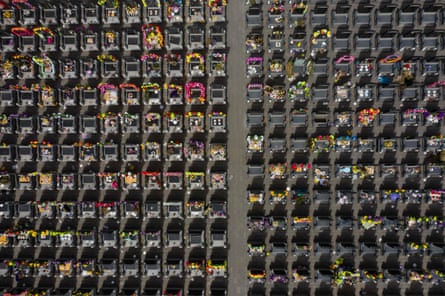
Under the new law, funeral homes will also be required to provide low-cost options for the storage and disposition of ashes, helping to make traditional cemeteries more accessible. The government hopes these measures will curb the rise of 'bone ash apartments' and ensure the dignified and hygienic treatment of the deceased.
"This legislation is an important step in preserving the solemnity of the funeral process and upholding the reverence we owe to our ancestors," said Wang Guoqing, a spokesperson for China's Ministry of Civil Affairs. "By regulating the storage and disposition of cremated remains, we can help to restore a sense of tradition and respect in how we commemorate the dead."
The new funeral law is just one of the ways China is working to address the challenges posed by its rapidly aging population and urbanization. As the country continues to grapple with issues surrounding death and burial, this legislation represents an effort to balance pragmatic concerns with the preservation of cultural and social norms.
Source: The Guardian


