
China Fireworks Factory Explosion Kills 26

A devastating explosion at a fireworks manufacturing facility in Hunan province has resulted in 26 deaths and 61 injuries, according to official state reports.
A catastrophic explosion at a fireworks factory in Hunan province has claimed the lives of 26 workers and left 61 others injured, according to reports from Chinese state media outlets. The devastating incident underscores ongoing safety concerns within China's fireworks manufacturing industry, which has long struggled with maintaining adequate workplace safety standards and preventive measures.
The blast occurred at a fireworks production facility located in the Hunan region, one of China's major centers for explosive manufacturing and pyrotechnic product development. Hunan province has historically been a hub for fireworks and firecracker production, with numerous factories operating throughout the region to meet both domestic demand and international export orders. The province's long-standing tradition in the industry has made it a critical economic contributor, though it has also faced persistent challenges related to worker safety and accident prevention.
First responders and emergency personnel were quickly deployed to the scene following reports of the industrial accident. Rescue teams worked tirelessly to locate survivors among the wreckage and provide immediate medical assistance to the injured workers. The scale of the casualties indicates the severity and force of the explosion, which would have been substantially powerful enough to cause widespread damage to the facility's infrastructure and surrounding structures.

State media reports indicate that the factory explosion resulted in significant structural damage to the manufacturing facility. The blast destroyed large portions of the building and equipment, making rescue and recovery operations considerably challenging and time-consuming. Authorities have initiated comprehensive investigations into the cause of the explosion, examining potential factors such as equipment malfunction, human error, inadequate safety protocols, or violations of established workplace regulations.
The incident represents a tragic reminder of the hazardous nature of fireworks and explosive material production. Fireworks manufacturing safety requires strict adherence to international standards, proper equipment maintenance, adequate worker training, and comprehensive safety protocols. Even minor lapses in these critical areas can result in catastrophic consequences, as demonstrated by this devastating occurrence in Hunan province.
China's pyrotechnic industry has experienced numerous serious accidents over the years, prompting repeated government efforts to improve safety standards and enforcement mechanisms. Previous incidents have led to regulatory reforms and increased oversight, though implementation and compliance remain ongoing challenges for authorities and facility operators. The industry continues to balance economic productivity with the critical imperative of worker safety and accident prevention.
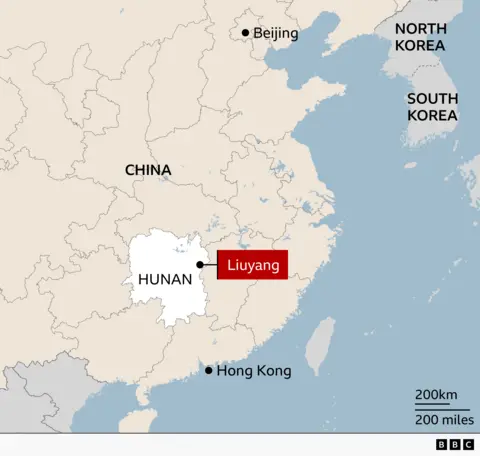
The 61 individuals injured in the explosion have been transported to nearby medical facilities for emergency treatment. The severity of injuries likely varies considerably, with some workers suffering severe burns, blast trauma, and other serious injuries requiring intensive medical care. Healthcare providers in the region have mobilized resources to handle the influx of patients and provide appropriate treatment for explosion-related injuries.
Investigation teams will conduct detailed forensic examinations of the blast site to determine the precise cause of the industrial accident. This process typically involves analyzing equipment failure, reviewing safety procedures, interviewing surviving workers and witnesses, and examining whether facility operators maintained proper compliance with safety regulations. The findings from these investigations will likely influence future policy decisions and safety enhancement measures across the industry.
Factory explosions involving pyrotechnic materials are particularly dangerous due to the combustible and volatile nature of the materials being processed and stored. Manufacturing facilities must maintain strict separation of chemical components, prevent exposure to ignition sources, ensure proper ventilation, and implement rigorous quality control measures. When these safeguards fail, the consequences can be catastrophic, as illustrated by the loss of life in this Hunan province incident.
The explosion in Hunan will likely prompt increased scrutiny of safety practices throughout China's fireworks manufacturing sector. Regulatory agencies may announce enhanced inspection protocols, stricter enforcement of existing regulations, and potentially new safety requirements for facilities handling explosive materials. Such responses are typically implemented following major industrial accidents to prevent similar incidents and demonstrate government commitment to worker protection.
The human toll of this tragedy extends beyond the immediate casualties to include families and communities affected by the loss of workers and the economic disruption caused by the facility's destruction. Support services and compensation mechanisms are typically established to assist victims and their families during recovery periods. The incident serves as a sobering example of the risks inherent in industries involving hazardous materials and the critical importance of maintaining the highest standards of occupational safety and health protection for workers engaged in dangerous manufacturing processes.
As investigations continue and the full details emerge regarding this tragic fireworks factory explosion, authorities and industry stakeholders will be examining lessons learned and opportunities for improvement. The incident underscores the need for continuous vigilance, investment in safety infrastructure, proper worker training and certification, and strict compliance with established safety protocols. These measures are essential to protect workers in the hazardous fireworks manufacturing industry and prevent future tragedies in Hunan province and throughout China.
Source: BBC News


