
China Outlines Slower GDP Growth Target, Bracing for Economic Challenges

China sets lowest GDP growth target in decades, shifting focus to 'high-quality growth' as it faces complex domestic and global situations.
China has unveiled a new target for its Gross Domestic Product (GDP) growth, setting the bar at a record low of 4.5-5% for the year 2026. This marks the first time since 1991 that the country's growth target has dropped below 5%, signaling a strategic shift away from the export-driven model that has long been the backbone of its economic success.
In the opening session of the National People's Congress (NPC), China's annual parliamentary gathering that began on Thursday, Premier Li Qiang announced the new growth target, reflecting the country's efforts to move towards a more resilient and sustainable economic model that can better withstand external shocks.
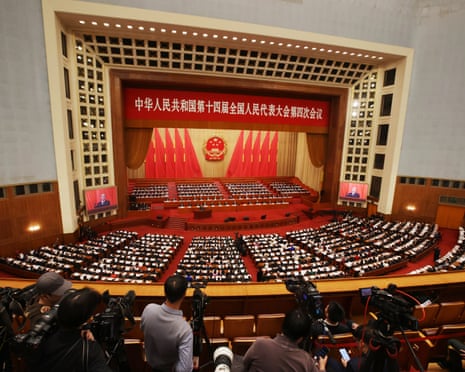
The decision to set a lower GDP growth target comes as China grapples with a complex domestic and global landscape. Premier Li acknowledged the various challenges facing the country, including uncertainties in the international environment and the need to address deep-seated problems in its own development.
This shift in China's economic strategy represents a departure from the country's previous reliance on rapid expansion driven by exports and investment. Instead, the focus is now on achieving "high-quality growth", which emphasizes sustainable development, improved living standards, and a more balanced and resilient economic structure.
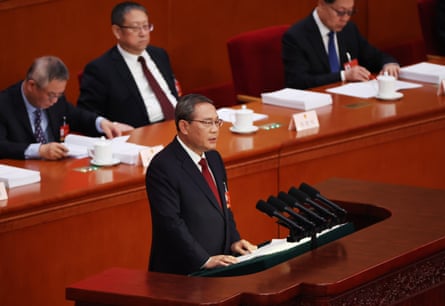
The lower GDP growth target is part of a broader set of policy priorities outlined by the Chinese government during the Two Sessions meeting. These include measures to promote technological innovation, address income inequality, and enhance environmental protection - all of which are aimed at building a more inclusive and eco-friendly economy.
The move to a slower growth target also reflects the government's acknowledgment of the challenges posed by the country's demographic shifts, slowing productivity growth, and the need to navigate complex geopolitical tensions, both domestically and globally.
While the lower GDP growth target may raise concerns among some, the Chinese government is betting that this strategic shift will ultimately lead to a more sustainable and resilient economic model that can better withstand future shocks and deliver long-term prosperity for the country and its people.


