
China Plane Crash Investigation Reveals Fuel Cutoff

Investigation into 2022 Boeing 737 crash in China that killed 132 passengers reveals deliberate fuel system cutoff caused the disaster.
A comprehensive investigation into one of China's deadliest aviation disasters has unveiled a shocking revelation: the catastrophic crash of a Boeing 737 aircraft in 2022 was caused by a deliberate fuel cut-off rather than mechanical failure. The findings mark a significant turning point in understanding what led to the tragedy that claimed the lives of all 132 people on board, making it one of the most devastating aviation accidents in recent history.
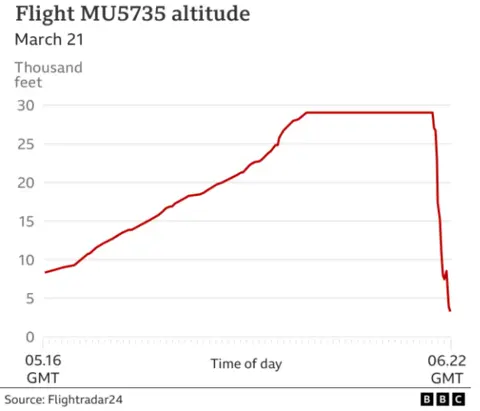
The doomed aircraft, operated by China Eastern Airlines, plummeted into a mountainous region in southern China on March 21, 2022, in what immediately became a major investigation priority for both Chinese and international aviation authorities. The sudden and catastrophic nature of the crash sparked extensive speculation about potential causes, ranging from structural failure to pilot error to mechanical malfunction. For months following the incident, investigators worked tirelessly to piece together evidence from the aircraft's black boxes and wreckage scattered across the hillside.
The investigation report conclusively determined that someone in the cockpit deliberately cut off fuel supply to the engines during the aircraft's descent. This deliberate action represents an unprecedented scenario in modern commercial aviation, as it suggests intentional action rather than accidental mechanical or system failure. The discovery has profound implications for aviation safety protocols and raises critical questions about cockpit access and monitoring procedures.
The crash investigation team examined extensive data from the flight data recorder, which meticulously documented every system parameter of the aircraft during its final moments. Evidence showed that fuel cutoff valves were manually activated, completely severing the fuel supply to both engines mid-flight. This finding was corroborated by analysis of the wreckage and the trajectory pattern of the aircraft's descent, which matched the profile of complete engine failure.

The implications of this discovery sent shockwaves through the aviation industry worldwide. Deliberately induced fuel cutoff represented a scenario that existing safety protocols and design features were not specifically engineered to prevent or mitigate. Aircraft manufacturers and regulatory bodies immediately began reviewing cockpit security measures, access controls, and monitoring systems to prevent similar incidents in the future. The incident highlighted vulnerabilities in assuming that only accidents or mechanical failures posed catastrophic risks to commercial aircraft.
Chinese aviation authorities have implemented enhanced safety measures following the revelations. These include stricter protocols for cockpit access, more rigorous monitoring of critical system operations, and improved documentation of all personnel with cockpit access during flights. Additionally, international aviation organizations such as the International Civil Aviation Organization (ICAO) have issued guidelines encouraging member nations to review their own safety procedures in light of this unprecedented incident.
The 132 fatalities included passengers and crew members from diverse backgrounds, making it a tragedy with global implications. Families of the victims participated in lengthy investigation proceedings, seeking answers about how such a catastrophe could occur on a modern commercial aircraft with multiple safety redundancies. The investigation's findings, while providing crucial clarity about the cause, offered little comfort to those grieving the loss of loved ones.
The incident raised significant questions about mental health screening and psychological evaluation protocols for commercial airline pilots and flight crew. Investigators examined the personal circumstances, training records, and psychological evaluations of all cockpit personnel involved in the flight. These inquiries ultimately led to industry-wide recommendations for more comprehensive mental health support systems and better protocols for identifying individuals in crisis.
The Boeing 737, the world's most widely used commercial aircraft, had previously maintained an impressive safety record despite its ubiquity in global aviation. The crash represented an anomaly in the aircraft's operational history, as it was not caused by design flaws or manufacturing defects, but rather by deliberate human action. This distinction was crucial for Boeing and regulatory authorities, as it placed responsibility on operational procedures rather than aircraft design.
The investigation process involved multiple international agencies and experts from around the globe. Chinese aviation authorities led the investigation with technical support from the U.S. National Transportation Safety Board (NTSB), Boeing representatives, and international aviation safety experts. The collaborative approach ensured that findings were thoroughly vetted and that lessons learned would benefit the entire global aviation community.
Airlines operating Boeing 737 aircraft worldwide implemented additional training programs for flight crews following the investigation's conclusion. These enhanced training modules specifically addressed scenarios of system tampering, emergency procedures for dealing with fuel system anomalies, and reinforced cockpit security protocols. The focus on practical training aimed to ensure that crews could recognize and respond to such unprecedented situations more effectively.
The psychological and societal impact of the investigation's findings extended beyond the aviation industry. The concept that someone intentionally caused a commercial aircraft to crash represented a new category of threat to aviation security. This realization prompted discussions about the balance between operational convenience and security protocols, particularly regarding cockpit access and the autonomy granted to flight crew members.
Regulatory agencies worldwide began conducting comprehensive reviews of their existing safety protocols and security measures in response to this case. The Federal Aviation Administration (FAA) in the United States, the European Union Aviation Safety Agency (EASA), and other regional authorities issued notices and recommendations to operators of commercial aircraft. These directives emphasized the importance of monitoring critical system operations and implementing additional safeguards against unauthorized or intentional system manipulation.
The investigation report's findings were made public after an extended review period, allowing ample time for all stakeholders to prepare appropriate responses. Media coverage of the report intensified scrutiny on aviation safety practices globally and sparked broader discussions about what other scenarios the aviation industry might not be adequately prepared to handle. Expert panels convened to discuss emerging threats and the adequacy of current safety frameworks.
The China Eastern Airlines crash of 2022, with its unprecedented cause related to deliberate fuel system cutoff, fundamentally altered the landscape of aviation safety discussions. The tragedy claimed 132 lives and exposed gaps in existing safety protocols that the industry had not previously contemplated. Moving forward, aviation authorities continue to grapple with implementing effective safeguards while maintaining the operational functionality required for modern commercial air transportation.
This incident serves as a stark reminder of the complexity of aviation safety in the modern era. While mechanical failures and design flaws have been largely mitigated through rigorous engineering standards and manufacturing processes, the human element remains a persistent challenge. The investigation's conclusions underscore the necessity of comprehensive security measures, mental health support systems, and continuous evaluation of cockpit procedures to prevent similar tragedies in the future.
The legacy of the 2022 China Eastern Airlines crash continues to shape aviation policy and practice worldwide. Pilot training programs, aircraft design considerations, and regulatory frameworks have all been influenced by the lessons learned from this investigation. As the aviation industry moves forward, the findings remain a sobering reminder of the critical importance of comprehensive safety measures and the vigilant protection of commercial aviation systems against all potential threats, whether mechanical or human in nature.
Source: BBC News


