
China's 'Ethnic Unity' Law: Mandarin Mandate Sparks Concerns

China's rubber-stamp parliament is set to approve a new 'ethnic unity' law that will diminish the role of minority languages in the education system. This controversial move raises concerns about cultural preservation.
As China's National People's Congress (NPC), the state legislature, prepares to vote on a suite of new laws this week, a piece of legislation that will diminish the role of minority ethnic languages in the education system has emerged as a major point of contention. The proposed 'ethnic unity' law is expected to be approved, further centralizing the use of Mandarin Chinese in schools across the country.
Under the new legislation, Mandarin will become the default language of instruction, taking priority over minority languages such as Tibetan, Uyghur, and Mongolian. This move is seen by many as a continued erosion of linguistic and cultural autonomy for China's diverse ethnic groups, who have long struggled to preserve their unique identities in the face of Beijing's assimilationist policies.
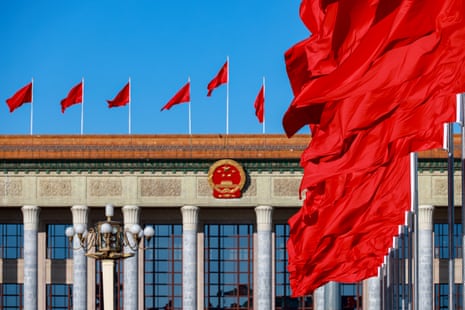
The NPC's annual 'two sessions' gathering, where the new laws were agreed upon, has long been a stage for the rubber-stamp approval of the Chinese government's agenda. This year's session is no exception, as delegates are expected to overwhelmingly approve the ethnic unity law, along with a new environmental code and the country's 15th five-year plan.
Critics argue that the diminishment of minority languages in education will have far-reaching consequences, not only for the cultural preservation of ethnic groups but also for their educational outcomes and social mobility. Many fear that this latest move is part of a broader assimilationist strategy aimed at eroding the distinct identities of China's diverse populations.
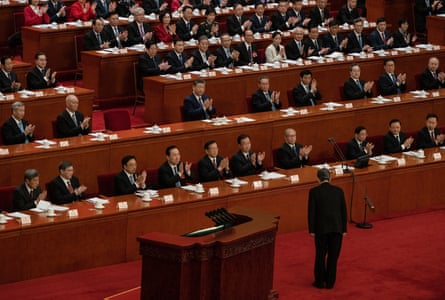
Despite these concerns, the Chinese government has maintained that the ethnic unity law is necessary to promote national cohesion and integration. However, human rights advocates and international observers have repeatedly criticized Beijing's policies toward ethnic minorities, accusing the government of systematic human rights abuses and cultural genocide.
As China's parliament prepares to rubber-stamp this controversial legislation, the future of linguistic and cultural diversity in the country remains uncertain. The implications of the ethnic unity law will likely be closely watched by human rights groups, academic institutions, and the international community in the months and years to come.

Source: The Guardian


