
China's Fentanyl Precursor Crackdown May Shift US Drug Crisis

US overdose deaths plunge as Chinese precursor supply tightens, but experts warn the relief may be temporary. Trump administration eyes ongoing negotiations.
The landscape of America's opioid epidemic is undergoing a significant transformation, with recent data showing a marked decline in overdose deaths that experts attribute to disruptions in the supply of fentanyl precursors originating from China. However, this apparent breakthrough comes with important caveats that demand careful scrutiny from policymakers and public health officials alike. The reduction in fatal overdoses represents a glimmer of hope in a crisis that has devastated communities across the nation, yet researchers caution that this positive trend may prove fleeting without sustained international cooperation and robust domestic policy changes.
As Donald Trump prepares for his diplomatic mission to Beijing this week, the complex issue of fentanyl supply chains continues to cast a shadow over US-China bilateral relations. The production and trafficking of synthetic opioids has become one of the most contentious issues dividing Washington and Beijing, with both nations blaming each other for the perpetuation of America's drug crisis. This high-stakes diplomatic encounter provides a crucial opportunity for both countries to address the underlying structural problems that have allowed fentanyl to flood American streets for years, though success remains uncertain given the entrenched positions on both sides.
During a United Nations meeting held in March, American officials once again leveled accusations against China, asserting that the country's chemical manufacturing industry continues to facilitate the illegal production of synthetic opioids by selling unregulated precursor chemicals. The US delegation pointed to evidence suggesting that despite previous commitments to restrict these sales, Chinese companies have found sophisticated ways to circumvent existing regulations and export the necessary chemical compounds. In response, Chinese representatives countered that the United States was unfairly scapegoating their nation and deflecting from America's own systemic failures in managing domestic drug policy and addiction treatment infrastructure.
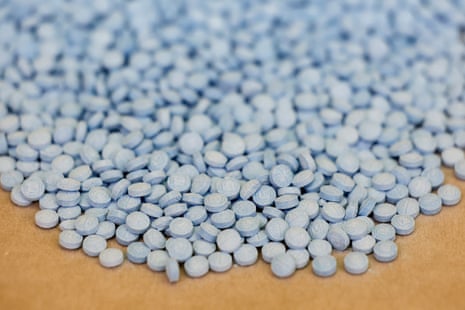
The fentanyl crisis has reached unprecedented proportions in recent years, with synthetic opioids becoming the primary driver of overdose deaths across American demographics. Understanding the role of precursor chemicals is essential to comprehending how traffickers have been able to manufacture such vast quantities of illicit fentanyl. These precursor compounds, which include chemicals like N-phenethyl-4-piperidinone and other specialized reagents, are the fundamental building blocks that allow criminal organizations to synthesize fentanyl in clandestine laboratories. Without access to these chemicals, the production of illicit fentanyl becomes exponentially more difficult and expensive, which partially explains why recent supply disruptions have contributed to the observed decline in overdose deaths.
China's position in the global chemical supply chain has made it a critical node in the international system for both legitimate pharmaceutical manufacturing and illicit drug production. The country's massive chemical manufacturing sector, which produces roughly 40 percent of the world's pharmaceutical chemicals, has unfortunately provided cover for companies willing to sell unregulated precursor materials to traffickers. Chinese law enforcement agencies have struggled with the scale of the problem, as thousands of chemical companies operate across the country with varying degrees of regulatory oversight. The intersection of legitimate commerce and illegal trafficking has created a gray zone where authorities find it difficult to distinguish between lawful business and criminal activity.
Recent evidence suggests that Chinese authorities may have intensified their enforcement efforts against chemical companies illegally exporting precursor materials. This apparent supply shock has had measurable effects on the American drug market, with some preliminary data indicating that the reduced availability of fentanyl precursors has driven up prices and potentially contributed to lower overdose mortality rates. However, experts emphasize that this development should not be mistaken for a solution to the underlying crisis. The reduction in deaths may reflect the grim reality that traffickers have adapted by switching to alternative synthetic opioids or by mixing fentanyl with other substances in different proportions, rather than a fundamental elimination of the drug supply problem.
Public health researchers warn that the current supply constraints may represent only a temporary reprieve in an ongoing battle against synthetic opioid abuse. The adaptability of drug trafficking organizations is remarkable, with networks constantly innovating to circumvent enforcement efforts and maintain profitability. Already, law enforcement agencies have reported emerging patterns of trafficking involving new synthetic opioids and alternative fentanyl analogs that may prove even more dangerous than the parent compound. Additionally, the illicit drug market has shown resilience through the development of domestic production capabilities in Mexico and other countries, reducing dependence on Chinese precursors.
The role of Mexico in the fentanyl trafficking ecosystem has become increasingly prominent over recent years. Mexican criminal organizations, particularly the cartels that control major trafficking routes into the United States, have developed sophisticated capabilities for procuring precursor chemicals through various international channels. Some of these chemicals come from China but are often routed through multiple intermediaries to obscure their origins. Others are produced in clandestine facilities in Mexico or obtained from pharmaceutical manufacturers in Latin America and other regions. This diversification of supply sources means that disrupting Chinese exports alone may have limited long-term impact on overall fentanyl availability in American communities.
The Trump administration's approach to the fentanyl crisis encompasses multiple strategies beyond simply pressuring China to enforce precursor export restrictions. Trade negotiations, law enforcement cooperation, and potential tariff policies are all being considered as tools to address both the supply and demand sides of the opioid epidemic. However, experts caution that purely supply-focused interventions, while important, cannot substitute for comprehensive addiction treatment and prevention programs. The United States continues to face a crisis of opioid dependency, with millions of Americans struggling with substance use disorders that require accessible and effective treatment options.
Moving forward, both the United States and China will need to balance enforcement efforts with recognition of the complexity of pharmaceutical supply chains. Legitimate pharmaceutical manufacturers require access to these precursor chemicals for lawful production, and overly restrictive policies could inadvertently harm patients who depend on pharmaceutical opioids for pain management. Finding the right equilibrium between preventing illegal diversion and maintaining access to necessary medicines represents one of the key challenges in international drug policy. Bilateral cooperation frameworks that include transparent tracking systems, better regulation of chemical manufacturers, and information sharing between law enforcement agencies may offer more sustainable solutions than unilateral pressure or punitive approaches.
The current moment offers a critical window for both nations to demonstrate genuine commitment to addressing the fentanyl crisis through sustained cooperation. Success will require not only Chinese enforcement of precursor restrictions but also American investments in community-based treatment, harm reduction programs, and addressing the social determinants of addiction. Experts suggest that any breakthrough in bilateral relations regarding fentanyl must be accompanied by corresponding domestic policy changes in the United States that acknowledge addiction as a public health issue deserving comprehensive, evidence-based responses rather than purely criminal justice approaches.

