
China's 'Teapot' Refineries Struggle Amid Surging Crude Prices

China's small 'teapot' oil refineries face strain as rising crude costs threaten their slim profit margins, impacting the country's energy security.
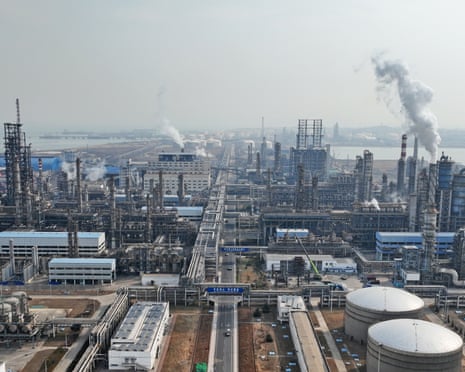
Hidden away in the remote corners of China, a network of small, independent oil refineries, known as teapot refineries, have long been the backbone of the country's energy security. These factories, which buy cheap crude and turn it into fuel, are now struggling to keep the economy brewing as surging crude prices threaten their razor-sharp profit margins.
The towns that host these teapot refineries can, at a moment of global crisis, appear deceptively quiet. Trucks carrying oil trundle along wide-open highways that have little traffic, while a few boarded-up shops in crumbling low-rise buildings hint at a long-forgotten local buzz.
In a ramshackle noodle shop serving hand-pulled ribbons of dough, the lunchtime crowd was sparse, save for a few construction workers and a teacher watching videos on Douyin, the social media platform, with his meal. This scene reflects the challenges facing the teapot refineries, which play a crucial role in China's energy landscape.
These small-scale refineries, often located in remote areas, have long been a vital cog in China's energy machine. Agile and adaptable, they have the ability to quickly adjust their production to meet fluctuating domestic demand, filling in the gaps left by the country's larger, state-owned refineries.
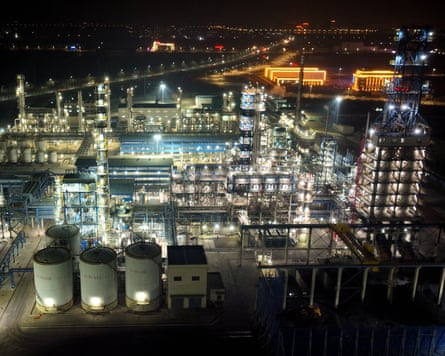
However, the current surge in global crude oil prices, driven by factors such as the war in Iran, is putting immense pressure on these teapot refineries. As the cost of their primary raw material, crude oil, continues to skyrocket, their already narrow profit margins are being squeezed to the breaking point.
To illustrate the challenge, consider that these teapot refineries typically operate on margins of just a few dollars per barrel of crude processed. With crude oil prices now hovering around $100 per barrel, up from around $60 a year ago, the refineries are struggling to maintain their profitability.
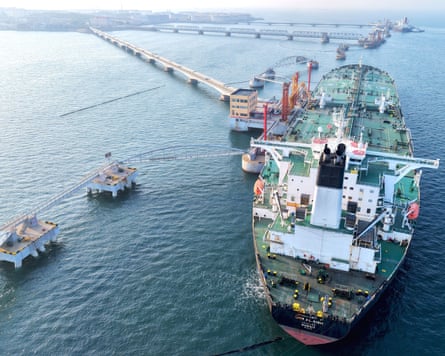
The impact of these high crude prices is being felt across the entire supply chain. Truckers transporting the oil are seeing their fuel costs rise, while the refineries themselves are forced to pass on the increased costs to their customers, the local fuel distributors and retailers.
This delicate balance is being severely tested, and the consequences extend far beyond the remote towns that host these teapot refineries. As these small but vital cogs in China's energy machine face mounting pressure, the country's overall energy security is being put to the test.
The fate of these teapot refineries is not just an economic issue, but a geopolitical one as well. Their ability to adapt and survive will have a significant impact on China's energy landscape, and by extension, its overall economic and political stability.
As the world navigates the choppy waters of a global energy crisis, the unassuming teapot refineries of China stand as a reminder of the delicate balance that underpins the global energy system. Their struggle to stay afloat in the face of soaring crude prices is a testament to the complexities and interdependencies that shape the energy landscape, both in China and beyond.
Source: The Guardian


