
China Surpasses US as Germany's Leading Trade Partner

China has overtaken the United States as Germany's top trading partner, marking a significant shift in global trade dynamics as Chancellor Friedrich Merz prepares for his inaugural Beijing visit.
In a significant shift that underscores the evolving dynamics of global commerce, China has officially surpassed the United States to become Germany's leading trading partner. This milestone comes as German Chancellor Friedrich Merz prepares for his first official visit to Beijing since assuming office, highlighting the growing importance of Sino-German economic relations in the current geopolitical landscape.
The latest trade figures reveal a remarkable transformation in Germany's international commerce patterns, with China now holding the position as the country's primary export destination. This development represents a fundamental shift in Germany's trade architecture, which has traditionally been anchored by strong transatlantic commercial ties with the United States. The change reflects broader global economic trends and the increasing integration of European markets with Asian economies.
Chancellor Merz is scheduled to embark on his diplomatic mission to China on Tuesday, marking what many analysts consider a pivotal moment in German-Chinese relations. The visit comes at a time when European nations are reassessing their trade relationships and seeking to diversify their economic partnerships while navigating complex international political considerations.
Upon his arrival in Beijing, Merz will receive full military honours on Wednesday, a ceremonial gesture that underscores the significance both nations place on strengthening their bilateral relationship. The formal reception will be hosted by Chinese Prime Minister Li Qiang, demonstrating the high level of diplomatic protocol being accorded to the German leader's visit.
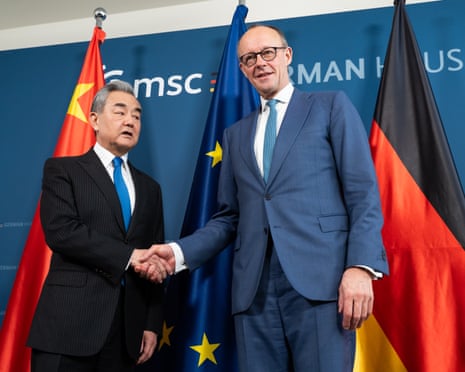
The highlight of the diplomatic engagement will be Merz's meeting with Chinese President Xi Jinping, which has been strategically scheduled as a dinner meeting to allow for extended discussions. According to Sebastian Hille, Merz's official spokesperson, the meeting represents an opportunity for both leaders to explore expanded cooperation across multiple sectors while addressing any potential areas of concern in the bilateral relationship.
The timing of this visit is particularly significant given the current state of global trade relations and the ongoing efforts by various nations to establish more resilient and diversified supply chains. Germany's recognition of China as its top trading partner reflects the pragmatic approach European nations are taking toward economic cooperation, even as they navigate complex geopolitical considerations.
Trade analysts suggest that this shift in Germany's trade partnerships has been developing gradually over recent years, driven by China's massive consumer market, its role as a manufacturing hub, and the increasing technological collaboration between German and Chinese companies. The automotive sector, in particular, has been a significant driver of this enhanced trade relationship, with German car manufacturers maintaining substantial operations and partnerships in China.
The implications of China's rise to become Germany's top trading partner extend beyond bilateral relations to influence broader European Union trade policy. As Germany represents Europe's largest economy, its trade relationships often serve as indicators of broader continental economic trends and priorities.
Industry experts point to several factors that have contributed to this significant shift in trade dynamics. China's rapid economic growth, its expanding middle class, and its increasing demand for high-quality German products, particularly in the automotive and industrial machinery sectors, have created substantial opportunities for German exporters. Additionally, China's Belt and Road Initiative has facilitated improved logistics and transportation networks that have made trade between the two nations more efficient and cost-effective.
The German manufacturing sector has particularly benefited from this enhanced trade relationship, with companies across various industries finding new markets and opportunities for expansion in China. This has included not only traditional exports but also increased investment in joint ventures and technology transfer agreements that have created mutual benefits for both economies.
However, this deepening economic relationship also presents certain challenges and considerations for German policymakers. The need to balance economic opportunities with strategic autonomy and security concerns has become an increasingly important factor in shaping trade policy decisions. The German government has been working to ensure that increased trade with China contributes to sustainable economic growth while maintaining the country's broader international commitments and relationships.
During his visit, Chancellor Merz is expected to address various aspects of the bilateral relationship, including opportunities for expanded cooperation in emerging technologies, sustainable development initiatives, and infrastructure projects. The discussions will likely also cover global economic challenges and the role that enhanced German-Chinese cooperation can play in addressing shared international concerns.
The significance of this visit extends beyond immediate trade considerations to encompass broader questions about the future direction of international economic cooperation. As global supply chains continue to evolve and nations seek to build more resilient economic partnerships, the German-Chinese relationship serves as an important case study in how countries can navigate complex international dynamics while pursuing mutually beneficial economic outcomes.
Market observers will be closely watching the outcomes of Merz's discussions with Chinese leadership, particularly any announcements regarding new trade agreements, investment commitments, or collaborative initiatives. The visit comes at a time when both nations are seeking to strengthen their economic foundations and explore new avenues for growth and cooperation.
The elevation of China to Germany's top trading partner status also reflects broader changes in global economic patterns, including the increasing importance of Asian markets and the growing interconnectedness of international trade networks. This development is likely to influence how other European nations approach their own trade relationships and economic partnerships in the coming years.
As Chancellor Merz prepares for his meetings in Beijing, the international business community will be watching closely for signals about the future direction of German-Chinese economic cooperation and its potential impact on global trade dynamics. The outcomes of this visit may well shape the trajectory of one of the world's most important bilateral trade relationships for years to come.
Source: The Guardian


