
China Urges Swift Reopening of Strait in Iran Negotiations

China's Wang Yi meets Iran's Foreign Minister Aragchi to discuss reopening critical strait amid regional tensions and ongoing conflicts.
In a significant diplomatic engagement, China's Foreign Minister Wang Yi has commenced high-level talks with Iran's Foreign Minister Abbas Araghchi, marking Araghchi's inaugural visit to Beijing since the outbreak of regional conflict. The meeting represents a crucial moment in China-Iran relations and reflects the broader geopolitical complexities currently unfolding across the Middle East and beyond.
During these pivotal negotiations, Wang Yi has emphasized the urgent need to reopen the strategic waterway at the earliest opportunity. The Strait reopening has become a focal point of international concern, given its critical importance to global maritime trade and energy security. China's explicit call for expedited reopening underscores Beijing's commitment to restoring stability in one of the world's most vital shipping corridors.
Araghchi's visit comes at a particularly delicate moment in regional affairs, with the foreign minister undertaking his first official journey to China since the escalation of hostilities in the region. This timing carries considerable symbolic weight, suggesting both nations are intensifying their diplomatic efforts to address emerging crises and prevent further deterioration of security conditions. The interaction between these two significant players in Asian geopolitics signals their determination to engage constructively despite surrounding tensions.
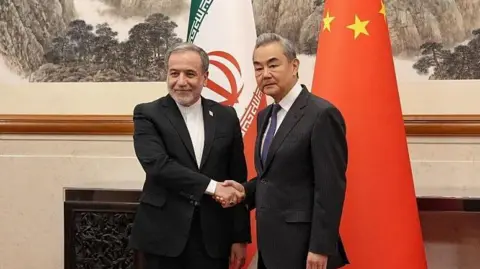
The discussions between Wang Yi and Araghchi are expected to cover multiple dimensions of bilateral relations and regional stability. Diplomatic negotiations of this caliber typically address not only immediate security concerns but also longer-term strategic partnerships and economic cooperation frameworks. China's willingness to host high-level Iranian officials demonstrates its vested interest in maintaining productive dialogue channels with Tehran, even as international scrutiny intensifies around the region.
The reopening of the strait represents far more than a simple geographic or logistical matter. It carries profound implications for global trade routes and the stability of international commerce. With millions of barrels of oil and countless containers of goods passing through this passage daily, any prolonged closure or disruption creates cascading effects across global markets and affects countries far beyond the immediate region. China, as a major importer of energy resources, has particular motivation to ensure unobstructed passage through these critical waterways.
Background context reveals that these discussions occur within a framework of strengthened Sino-Iranian cooperation established over previous years. The two nations have cultivated increasingly robust economic and security partnerships, with China becoming one of Iran's most important trading partners and diplomatic allies. This relationship provides a foundation for the current negotiations, allowing both parties to speak with a degree of understanding and mutual interest that might not otherwise exist.
The international community watches these talks with considerable attention, as the outcome could influence regional security trajectories and broader geopolitical alignments. Middle East diplomacy has increasingly involved China's participation, reflecting Beijing's growing role in global affairs beyond its traditional Asian sphere of influence. The timing and substance of Wang Yi's statements regarding the strait underscore China's intention to position itself as a constructive force in regional dispute resolution.
Araghchi's first visit to China since the conflict began carries additional significance in terms of Iran's foreign policy strategy. By prioritizing engagement with Beijing at this critical juncture, Iran demonstrates its appreciation for China's diplomatic support and its desire to maintain strong ties with a powerful international actor. The visit also suggests that Iran views China as a potential intermediary or supporter in navigating current regional challenges.
The specific focus on reopening the strait reflects practical concerns about economic impact and security implications. Any prolonged closure or threat to shipping through this passage creates uncertainty in global energy markets and threatens the livelihoods of nations dependent on uninterrupted maritime access. China's explicit call for reopening
Source: BBC News


