
China Urges Vessel Protection Amid Soaring Strait of Hormuz Shipping Costs

Beijing calls for safeguarding vessels in the Strait of Hormuz as freight rates reach $424,000 per day amid escalating Iran conflict and shipping disruptions.
Beijing's foreign ministry is urging all parties to avoid escalation in the Strait of Hormuz as shipping costs for tankers in the vital waterway have skyrocketed to a staggering $424,000 per day. The call for vessel protection comes amid the ongoing conflict between the US, Israel, and Iran, which has effectively closed maritime traffic through the strait - a narrow channel on Iran's southern border that connects the Persian Gulf with the Gulf of Oman.
The Chinese government's intervention underscores the global economic implications of the tensions in the region. As a major importer of oil and gas, China has a vested interest in ensuring the free flow of maritime trade through the Strait of Hormuz, which is a critical chokepoint for global energy supplies. The escalating conflict has already driven up oil and gas prices worldwide, with the impact reverberating across global markets.

China's call for vessel protection in the Strait of Hormuz underscores its efforts to maintain regional stability and economic security amid the heightened tensions. The country has long advocated for a diplomatic solution to the conflict, urging all sides to exercise restraint and engage in constructive dialogue. Beijing's intervention could help deescalate the situation and mitigate the devastating economic consequences of an escalated confrontation.
However, the geopolitical complexities of the region and the competing interests of the various stakeholders make finding a lasting solution a significant challenge. The interdependence of global energy markets and the strategic importance of the Strait of Hormuz mean that the fallout from this conflict could have far-reaching implications for the world economy.
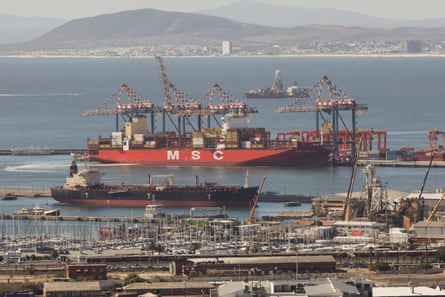
As the diplomatic efforts continue, the protection of vessels in the Strait of Hormuz will remain a top priority for countries like China that rely heavily on the uninterrupted flow of maritime trade in the region. The stakes are high, and the consequences of failure could be severe. Navigating this delicate geopolitical landscape will require careful diplomacy, restraint, and a focus on de-escalation to ensure the stability and security of this vital global chokepoint.
Source: The Guardian


