
China vs US Moon Race: Who Will Win?

As NASA and China ramp up lunar landing preparations, experts debate whether Beijing could beat Washington in the modern space race to establish the first crewed moon base.
The competitive landscape of space exploration has shifted dramatically as two rival superpowers intensify their efforts to achieve crewed lunar landings nearly six decades after humanity's first moonwalk in 1969. The world recently witnessed NASA's latest achievement when the space agency successfully sent four astronauts on a circumlunar trajectory, demonstrating sustained capability in deep space operations. However, this impressive milestone comes amid an emerging reality: the United States faces unprecedented competition from China in the race to establish a permanent human presence on the lunar surface.
The modern space race between China and the United States represents a fundamental shift in how nations approach lunar exploration. Unlike the Cold War-era competition that focused primarily on prestige and demonstrating technological superiority, today's lunar ambitions are driven by multiple strategic objectives including resource acquisition, scientific discovery, and technological advancement. Both nations are channeling significant resources and expertise toward their respective programs, each convinced that lunar dominance will provide crucial advantages in space exploration and resource utilization for decades to come.
China's lunar program has demonstrated remarkable progress over the past decade, achieving several historic firsts including the first spacecraft to land on the far side of the moon and successfully retrieving samples from the lunar surface. These achievements have positioned Beijing as a serious contender in the renewed space race, capable of executing complex, multi-stage missions with impressive precision and reliability. The Chinese space program operates with long-term strategic planning, investing substantial resources and maintaining consistent focus on its objectives despite external pressures and international competition.
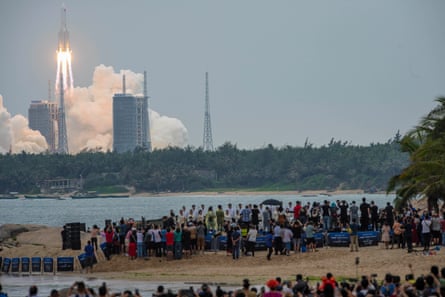
Both superpowers have publicly articulated ambitious plans to construct inhabited lunar bases that would serve as permanent settlements on another celestial body. These bases would represent unprecedented achievements in human exploration, establishing infrastructure for sustained operations beyond Earth orbit. The construction and maintenance of such facilities would require solving numerous engineering challenges, including life support systems, radiation protection, power generation, and resource utilization. These bases would serve as staging grounds for deeper space exploration and would demonstrate which nation possesses the technical capability to establish and maintain human settlements in extreme extraterrestrial environments.
The motivations driving both programs extend well beyond the symbolic achievement of landing humans on the moon. Nations recognize that the lunar surface contains valuable rare resources and minerals that could prove essential for advanced manufacturing, electronics production, and future space-based economies. Water ice deposits at the lunar poles are particularly attractive, as they could provide drinking water, oxygen production, and hydrogen fuel for spacecraft and base operations. The competition for these resources reflects a broader recognition that space-based economies may become increasingly important throughout the twenty-first century, making early exploration and resource mapping strategically significant.
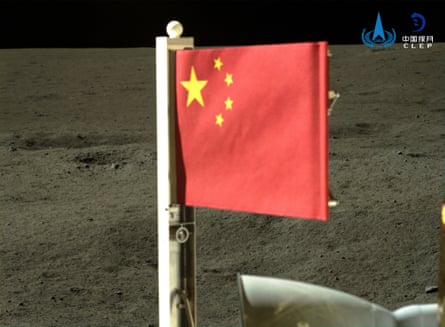
Beyond resource extraction, both China and the United States intend to utilize the deep space environment for critical technological testing and development. The lunar environment provides unique conditions for testing equipment, materials, and operational procedures that will be essential for future crewed missions to Mars and beyond. The harsh vacuum, extreme temperature variations, and radiation exposure present challenges that cannot be adequately simulated on Earth, making actual lunar testing invaluable for advancing human spaceflight capabilities. Both nations recognize that whoever masters lunar operations will gain crucial knowledge and experience applicable to more distant destinations.
The timeline for these ambitious programs remains subject to ongoing adjustments and technical developments. NASA has publicly committed to landing astronauts on the moon through its Artemis program, with stated objectives to establish sustained operations and infrastructure supporting long-term human presence. China has similarly announced its intentions to accomplish crewed lunar landings and base construction, though specific timelines have occasionally shifted in response to technical challenges and resource allocation decisions. The precise sequence of achievements will likely influence perceptions of competitive success and technological capability among the international community.
Several factors could determine which nation ultimately achieves its lunar objectives first. Resource allocation, technical expertise, program management efficiency, and political commitment all play significant roles in space program success. China's program benefits from centralized decision-making and sustained long-term investment, while NASA operates within the context of democratic political processes that can introduce budgetary uncertainty. Conversely, NASA draws upon decades of experience in human spaceflight and maintains partnerships with established aerospace contractors, providing access to proven technologies and operational expertise.
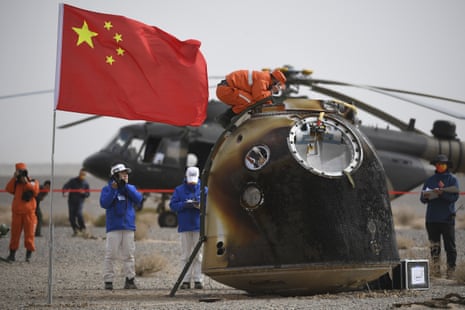
International observers and space industry experts have noted that Chinese leadership in certain technological areas could provide strategic advantages in lunar exploration. These include advances in heavy-lift launch vehicle development, precision landing systems, and autonomous operations capabilities. American strengths include extensive experience in human spaceflight operations, well-established supply chains with commercial partners, and advanced life support systems developed through decades of orbital station operations. The outcomes will ultimately depend on how effectively each nation translates technological capabilities into successful mission execution.
The implications of China-US lunar competition extend beyond national achievement to broader questions about space governance and resource allocation. The international community continues debating protocols for lunar resource utilization, territorial claims, and environmental protection. As nations invest increasingly in space activities, establishing clear frameworks for peaceful cooperation and preventing conflicts over space resources becomes more urgent. The manner in which China and the United States conduct their lunar programs will likely establish precedents influencing space activities throughout the coming decades.
Public interest in the renewed space race reflects broader human curiosity about exploration and discovery. Media coverage of both programs has emphasized the dramatic elements of human spaceflight while also highlighting practical benefits that lunar exploration could provide, including technological innovations applicable to terrestrial problems. Educational initiatives in both nations attempt to inspire younger generations toward careers in science, technology, engineering, and mathematics by connecting these fields to exciting space exploration objectives.
Looking ahead, the trajectory of lunar exploration will depend on sustained commitment from both governments, continued technological advancement, and the ability of space agencies to manage complex projects across extended timelines. Success in establishing permanent human presence on the moon would represent one of humanity's greatest achievements, demonstrating the capacity for long-term strategic planning and technological mastery. Whether China or the United States achieves this milestone first remains genuinely uncertain, with both nations possessing credible pathways to success and compelling motivations to pursue their respective programs with determination and focus.
Source: The Guardian

