
Chinese AI App Sparks Hollywood Copyright Panic

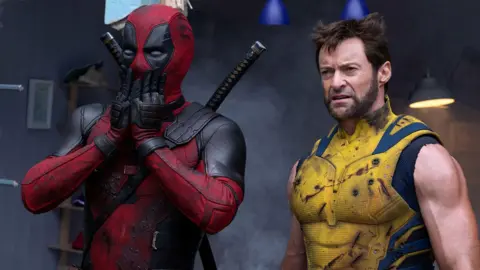
A Chinese AI application creating unauthorized clips of popular film characters like Deadpool has triggered widespread concern across Hollywood studios about copyright infringement and intellectual property theft.
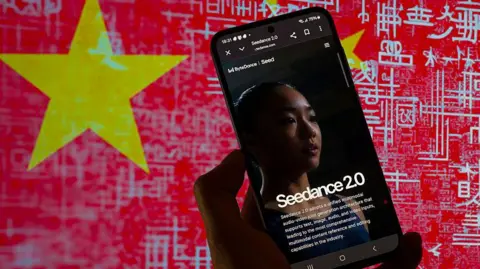
Hollywood's entertainment industry is facing a new digital threat that has sent shockwaves through major studios and production companies. A Chinese AI application has emerged that can generate unauthorized video clips featuring beloved film characters, including the popular Marvel antihero Deadpool, sparking immediate alarm bells regarding copyright infringement and intellectual property protection.
The artificial intelligence-powered platform, which has gained significant traction among users in recent weeks, demonstrates sophisticated capabilities in recreating recognizable movie characters and scenes. Industry insiders report that the technology can produce remarkably convincing footage that closely mimics the appearance, mannerisms, and even voice patterns of established Hollywood characters without proper licensing or authorization from rights holders.
Major entertainment companies are scrambling to assess the potential impact of this AI-generated content on their valuable intellectual property portfolios. The technology raises unprecedented questions about the future of content creation and the boundaries of fair use in the digital age, as traditional copyright frameworks struggle to keep pace with rapidly evolving artificial intelligence capabilities.
Legal experts specializing in entertainment law suggest that this development represents one of the most significant challenges to Hollywood's copyright protection mechanisms in decades. The ability to generate convincing character representations using AI technology threatens to undermine the exclusive rights that studios have historically relied upon to monetize their creative investments.
The copyright infringement concerns extend beyond simple character recreation, as the AI application reportedly can generate entirely new scenarios and dialogues featuring these protected characters. This capability potentially allows users to create unauthorized sequels, spin-offs, or alternative storylines that could compete with official studio productions or damage carefully cultivated brand images.
Entertainment industry analysts warn that the proliferation of such AI tools could fundamentally alter the landscape of content creation and distribution. The traditional gatekeeping role of major studios may be challenged as individuals gain access to sophisticated tools that can produce professional-quality content featuring established characters and franchises.
Several prominent entertainment lawyers have begun exploring potential legal remedies to address this emerging threat. However, the international nature of the AI application, combined with the complex jurisdictional issues surrounding Chinese technology companies, presents significant challenges for pursuing traditional copyright enforcement mechanisms.
The Hollywood studios are particularly concerned about the potential for widespread adoption of similar technologies, which could lead to an explosion of unauthorized content featuring their most valuable intellectual properties. Industry sources indicate that emergency meetings have been convened to discuss coordinated response strategies and potential legislative solutions.
Technology experts explain that the AI application likely utilizes advanced machine learning algorithms trained on vast databases of film content, enabling it to understand and replicate the visual and audio characteristics of popular characters. This deep learning technology has reached a sophistication level that makes it increasingly difficult to distinguish between authentic and artificially generated content.
The implications for actor rights and performer protections are equally concerning, as the technology appears capable of creating new performances using the likenesses of real actors without their consent. This development has prompted discussions within industry unions about the need for enhanced protections against unauthorized AI-generated performances.
Marketing executives within major entertainment companies are grappling with the potential impact on their carefully orchestrated promotional campaigns and character development strategies. The availability of unauthorized AI-generated content could dilute brand messaging and create confusion among consumers about official versus unofficial content.
International trade organizations have begun monitoring the situation closely, as it represents a new frontier in the ongoing discussions about intellectual property protection in the digital economy. The cross-border nature of the technology highlights the challenges of enforcing copyright protections in an increasingly globalized digital marketplace.
Consumer advocacy groups have raised additional concerns about the potential for AI-generated misinformation and the broader implications for media literacy. The ability to create convincing fake content featuring popular characters could contribute to the erosion of trust in authentic media sources and complicate efforts to combat misinformation.
The entertainment industry's response to this challenge is expected to include both technological and legal components. Some studios are reportedly investing in detection technologies that can identify AI-generated content, while others are exploring blockchain-based authentication systems to verify the authenticity of official content.
Regulatory agencies in multiple countries are beginning to examine the implications of this technology for existing intellectual property frameworks. The rapid pace of AI development has outstripped current regulatory structures, creating a complex environment where traditional legal remedies may prove inadequate.
The artificial intelligence industry itself is divided on the appropriate response to these concerns. While some developers argue for stronger self-regulation and ethical guidelines, others contend that technological innovation should not be constrained by legacy copyright frameworks that may no longer be relevant in the AI era.
As this situation continues to evolve, the entertainment industry is likely to face fundamental questions about the nature of creativity, ownership, and authenticity in the age of artificial intelligence. The outcome of this controversy could establish important precedents for how society balances technological innovation with intellectual property protection in the years to come.
Source: BBC News


