
Chinese Brands Go Global: Beyond Mass Production

China's export landscape is transforming as innovative brands in hotpot, bubble tea, and sportswear gain international traction.
The perception of Chinese manufacturing has undergone a dramatic transformation over the past decade. While "Made in China" once synonymous with inexpensive, mass-produced commodities flooding global markets, a remarkable shift is now underway. A new generation of Chinese brands is emerging from the shadows of contract manufacturing to establish themselves as distinctive players in the international marketplace, challenging Western dominance in lifestyle and consumer goods sectors.
This evolution represents far more than a simple upgrade in product quality. It reflects a fundamental restructuring of China's economic model, where homegrown Chinese companies are investing heavily in brand development, innovation, and cultural authenticity. Rather than simply copying foreign designs or competing on price alone, these enterprises are exporting uniquely Chinese experiences and aesthetics that resonate with global consumers seeking novelty and authenticity in an increasingly homogenized retail landscape.
The hotpot industry exemplifies this transformation perfectly. What was once confined to regional Chinese restaurants serving primarily expatriate communities has blossomed into a full-fledged global phenomenon. Major Chinese hotpot chains have expanded aggressively across Asia, Europe, and North America, introducing international diners to the interactive dining experience that has captivated generations of Chinese consumers. These establishments maintain authentic preparation methods while adapting menu offerings to local tastes, creating a fusion approach that has proven remarkably successful in foreign markets.

Simultaneously, bubble tea brands have achieved extraordinary penetration in global markets, particularly among younger demographics. What originated as a Taiwanese innovation has been enthusiastically embraced and reinterpreted by Chinese entrepreneurs, who have transformed it into a culturally significant beverage category. Chains like Nayuki Hi-Tea, Hey Tea, and Luckin Coffee have established thousands of locations worldwide, creating queues that rival those of traditional Western coffee shops. These brands have masterfully leveraged social media, limited-edition flavors, and Instagram-worthy packaging to create viral marketing phenomena.
The sportswear sector presents perhaps the most compelling narrative of Chinese brand ascendancy. Companies like Li-Ning and ANTA have moved beyond domestic success to compete directly with established international giants. Li-Ning, in particular, has repositioned itself as a premium athletic brand, securing endorsements from international athletes and investing in cutting-edge product development. The company's collaborations with fashion designers and its participation in major sporting events have elevated its status from regional player to globally recognized brand.
These brands share several critical success factors that distinguish them from earlier waves of Chinese exports. First, they maintain authentic connections to Chinese culture while speaking the language of global consumer trends. Rather than obscuring their origins, they celebrate the distinctiveness of their heritage, which paradoxically makes them more appealing to international audiences hungry for authentic cultural products. This authenticity cannot be manufactured or imported; it must be genuinely rooted in the company's DNA.

Second, these emerging Chinese brands have invested substantially in understanding foreign markets before entering them. They conduct thorough research into consumer preferences, regulatory requirements, and competitive landscapes in target markets. This approach differs markedly from earlier Chinese exporters who often relied on cost advantages without deep market understanding. Today's Chinese entrepreneurs are studying consumer behavior as meticulously as Western multinational corporations.
Third, these brands have embraced digital transformation and social media marketing with remarkable sophistication. They understand that modern consumers, especially younger generations, discover and evaluate products primarily through online channels. Chinese companies have pioneered direct-to-consumer models and social commerce approaches that often surpass Western competitors in effectiveness. This digital-first mentality has enabled rapid brand awareness building even in markets with limited traditional advertising budgets.
The economic implications of this shift are substantial. Chinese brand expansion represents a move up the value chain, generating higher profit margins and greater economic value than traditional contract manufacturing. Rather than producing goods for Western brands at minimal margins, Chinese companies are now capturing the full value of their innovations and brand equity. This transition has significant implications for China's long-term economic development and global competitive positioning.

Consumer acceptance has been surprisingly rapid in many markets. International customers appear genuinely enthusiastic about discovering new brands that offer different perspectives and experiences from familiar Western options. The rise of bubble tea from niche curiosity to mainstream beverage choice in cities worldwide demonstrates how quickly consumer preferences can shift when products offer genuine appeal and novelty. Similarly, hotpot restaurants have moved from curiosity destinations to destination dining experiences in major cities.
However, challenges remain as these Chinese exporters seek to consolidate their gains. Establishing trusted brand reputations in mature markets takes time and consistent execution. Supply chain vulnerabilities, intellectual property concerns, and cultural adaptation challenges can derail even well-conceived expansion strategies. Additionally, some Western markets maintain reservations about Chinese products rooted in outdated perceptions that require patient, persistent brand-building efforts to overcome.
The sustainability of this trend depends on continuous innovation and genuine quality commitment. Chinese brands cannot rest on initial success or revert to cost-cutting measures that damaged their predecessors' reputations. Instead, they must continue investing in research and development, talent acquisition, and brand experience enhancement. Companies that maintain this commitment will likely sustain their momentum, while those that attempt shortcuts risk triggering backlash that could damage not only their own prospects but the broader perception of Chinese brands.
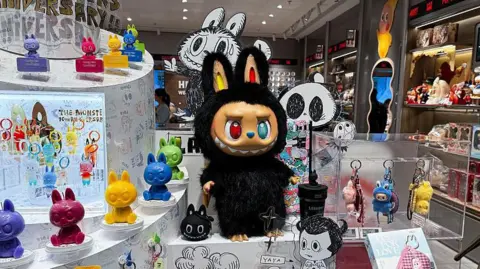
Looking ahead, the trajectory of Chinese brands in global markets will serve as a bellwether for broader economic shifts. As Chinese companies continue moving upstream into premium segments and brand-focused businesses, the nature of global commerce will continue evolving. The days when "Made in China" automatically connoted cheapness have clearly passed. Today's reality is far more nuanced, with Chinese brands competing across every quality tier and consumer segment, bringing distinctive offerings shaped by China's unique cultural, economic, and entrepreneurial characteristics to buyers worldwide.
Source: BBC News


