
Chinese EV Insurance Crisis: UK Drivers Face Coverage Gaps

UK insurers reluctant to cover Chinese electric vehicles like Jaecoo. Research reveals limited options and higher premiums compared to European and American EVs.
The insurance landscape for Chinese electric vehicles in the United Kingdom is becoming increasingly problematic, with recent research revealing significant gaps in coverage availability. UK insurers are demonstrating considerable hesitation when it comes to providing comprehensive insurance policies for certain hybrid and electric vehicles manufactured in China, creating a substantial barrier for consumers interested in purchasing these cost-effective alternatives. While the initial purchase price of Chinese-made EVs often presents attractive savings compared to their European and American counterparts, potential buyers are discovering that the true cost of ownership extends far beyond the showroom price.
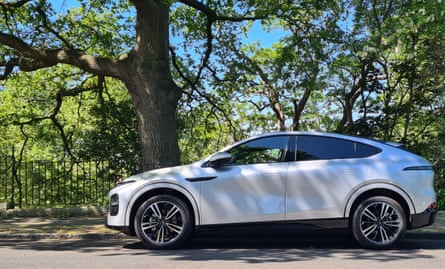
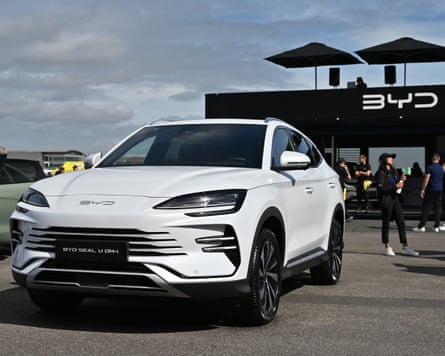
The emerging trend of insurance discrimination against Chinese EV models such as Jaecoo, BYD, and XPeng vehicles has become a critical concern for the automotive industry and consumer advocates alike. Insurance companies are employing various strategies to restrict access to coverage, ranging from outright refusal to insure certain models to implementing premium rates that exceed those charged for equivalent petrol-powered vehicles. This counterintuitive pricing approach has led many drivers to question the true value proposition of purchasing a Chinese electric vehicle when insurance costs can substantially erode the financial advantages gained during the purchase phase.
Drivers who select electric vehicles from China find themselves facing a markedly different insurance environment than those who opt for electric, hybrid, and petrol vehicles manufactured in Europe, the United States, and South Korea. The disparity in insurance availability and pricing suggests that UK insurers harbor significant concerns about these vehicles, though many of those concerns remain unexpressed or poorly articulated in public statements. This situation has created a two-tier insurance market where geographic origin of manufacture plays an outsized role in determining coverage options and affordability.

The resistance from UK insurance providers reflects broader industry anxieties about the rapid expansion of Chinese automotive manufacturers into Western markets. Insurance companies typically base their premium calculations and coverage decisions on historical claims data, repair costs, and the availability of replacement parts. For Chinese EV brands that have only recently entered the British market, insurance firms face significant uncertainties regarding long-term reliability, accident repair expenses, and the viability of parts supply chains. These unknowns naturally lead to more conservative underwriting practices and higher risk premiums.
Many dealerships selling Chinese electric vehicles report that their customers encounter numerous obstacles when attempting to secure insurance coverage. Some insurers maintain blacklists of specific Chinese EV models, refusing to underwrite policies regardless of the driver's risk profile or claims history. Others agree to provide coverage but at premium rates that seem disproportionate to the vehicles' actual market value and safety records. These practices effectively create a secondary market where consumers must shop extensively to find willing insurers, a process that is time-consuming and frustrating.
The pricing disparity between Chinese EVs and their Western equivalents has sparked considerable debate within the insurance industry. Some insiders argue that Chinese vehicles are being overcharged based on outdated assumptions and xenophobic attitudes rather than on concrete actuarial evidence. Others contend that legitimate concerns about repair costs, parts availability, and dealer network reliability justify the elevated premiums. This disagreement has yet to be resolved through comprehensive industry analysis or regulatory intervention.
The situation presents a significant challenge to EV adoption rates in the United Kingdom, as insurance costs represent a substantial ongoing expense for vehicle ownership. When Chinese electric vehicles that already offer competitive purchase prices are burdened with insurance premiums equivalent to or exceeding those of more expensive Western EVs, the financial advantage of choosing a Chinese brand diminishes considerably. Consumers conducting total cost of ownership calculations may find that the savings realized through a lower purchase price are completely negated by higher insurance expenses over the vehicle's lifetime.
Several factors contribute to the insurance industry's cautious approach toward Chinese vehicle models. Repair and maintenance costs represent a significant unknown, as many UK repair shops have limited experience working on these vehicles and may require specialized training or components sourced directly from manufacturers. The absence of extensive historical claims data specific to the British market means insurance companies cannot accurately assess risk, forcing them to apply conservative assumptions. Additionally, the novelty of these brands in the UK market creates perception challenges, with some insurers viewing Chinese manufacturers as less established and therefore riskier propositions.
Consumer advocacy groups are beginning to scrutinize insurance company practices regarding Chinese EVs, questioning whether the elevated premiums and coverage restrictions are justified by actuarial data or reflect unfounded bias. Several organizations have called for greater transparency in insurance underwriting decisions and requested that regulatory authorities investigate potential discrimination. The Financial Conduct Authority and other consumer protection bodies have not yet addressed this issue comprehensively, leaving consumers with limited recourse.
The broader implications of this insurance market behavior extend beyond individual consumers to affect the competitiveness of Chinese automotive brands in the UK marketplace. When new manufacturers face systematic barriers to insurance coverage, their ability to establish market presence and build customer loyalty becomes significantly compromised. This dynamic potentially protects established Western manufacturers from competition while simultaneously hindering efforts to expand vehicle choice and foster price competition in the electric vehicle segment.
Looking forward, resolution of this insurance crisis may require coordinated action from multiple stakeholders. Chinese manufacturers could invest in establishing stronger dealer networks, training facilities, and parts distribution infrastructure, demonstrating their commitment to the UK market and reducing uncertainty for insurers. Insurance companies, meanwhile, should conduct thorough actuarial analyses based on available data rather than relying on assumptions, ensuring that premiums reflect actual risk rather than perceived risk rooted in unfamiliarity.
The experience of drivers attempting to insure Chinese electric vehicles in the UK serves as a cautionary tale about market entry challenges for new manufacturers in highly regulated industries. Even when a product offers genuine consumer value through lower purchase prices and modern technology, success requires navigating complex ecosystems of related services and entrenched industry practices. Until the insurance market develops more sophisticated approaches to pricing and covering Chinese EVs, the potential market for these vehicles in Britain will remain constrained.
The ongoing situation underscores the importance of holistic market readiness when introducing new vehicle brands to established automotive markets. Chinese EV manufacturers entering the UK must address not only product quality and pricing but also the entire ecosystem surrounding vehicle ownership, including insurance, maintenance, and parts availability. Until these ancillary services achieve parity with Western vehicle brands, Chinese manufacturers will continue facing headwinds in their attempts to capture meaningful market share among British consumers.
Source: The Guardian


