
Chornobyl At Risk: 40 Years After Nuclear Disaster

Russian drone strike threatens Chornobyl's containment shelter in 2025. Workers reveal ongoing safety concerns at world's worst nuclear accident site amid Ukraine war.
Four decades have passed since the catastrophic nuclear disaster at Chornobyl, yet the sprawling complex in Ukraine remains far from secure. In February 2025, a Russian drone strike penetrated the facility's protective confinement shelter, reigniting urgent concerns about the vulnerability of the world's worst nuclear accident site during an active military conflict. Plant workers and international nuclear safety experts are raising alarm bells about the persistent risks threatening this critical infrastructure.
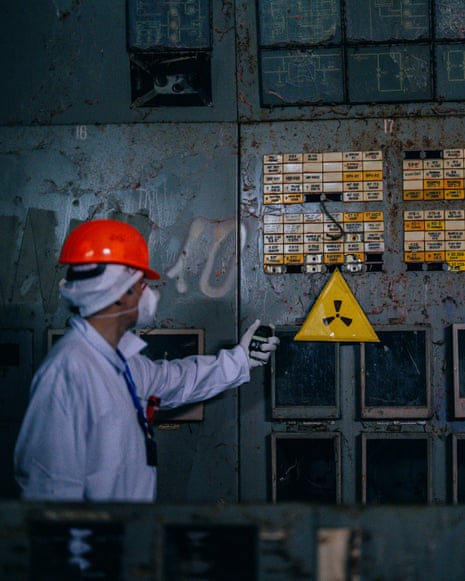
The moment visitors cross onto the restricted grounds of the Chornobyl nuclear power plant, the dangers become tangible and measurable. Personal dosimeters—small radiation detection devices clipped to workers' chests—begin their telltale ticking, a rhythmic reminder of invisible contamination lurking beneath the soil and structures. The frequency of these clicks increases dramatically the instant one strays from the carefully maintained pathways, creating an audible map of radioactive danger zones. Step back onto the cleared areas, and the clicking slows to nearly imperceptible levels, defining an invisible boundary between relatively safe ground and seriously contaminated terrain.
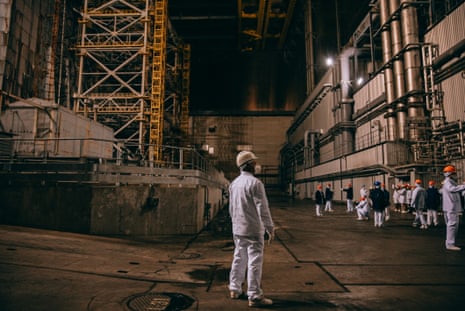
Dominating the landscape is the extraordinary new safe confinement structure (NSC), a engineering marvel that represents humanity's ambitious attempt to contain one of civilization's greatest mistakes. This remarkable structure ranks among the largest movable steel constructions ever fabricated by mankind, towering higher than the iconic Statue of Liberty and stretching wider than the ancient Roman Colosseum. Its distinctive curved arch soars overhead with the architectural grace of a massive aircraft hangar designed to accommodate supersized aircraft, creating an imposing silhouette against the Ukrainian sky.
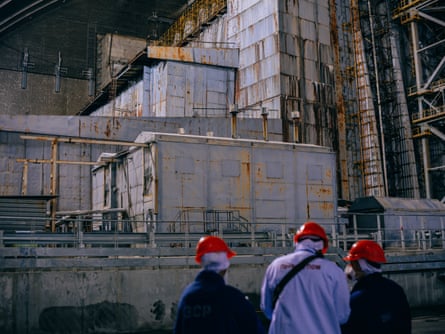
The NSC structure was specifically engineered to provide long-term protection of the destroyed reactor number four, which catastrophically failed during the catastrophic accident in April 1986. The original hastily-constructed sarcophagus, built in the immediate aftermath of the explosion, was always considered a temporary measure—a desperate attempt to contain the immediate crisis rather than a permanent solution. Over the decades, this original concrete structure deteriorated significantly, developing cracks and gaps that raised serious questions about its continued effectiveness in containing radioactive materials.
The construction and installation of the new confinement was a monumental international undertaking, requiring unprecedented engineering coordination and substantial financial investment from the global community. The structure was constructed off-site in sections and then meticulously maneuvered into position using specially designed heavy transport systems, a logistical challenge of staggering complexity. Its completion represented a critical milestone in the decades-long effort to stabilize the site and reduce radiation release into the surrounding environment.
Yet despite these extraordinary safety measures, the facility remains vulnerable to modern threats that the original engineers could never have anticipated. The ongoing Russia-Ukraine war has transformed Chornobyl from a contained historical disaster site into an active conflict zone with potential catastrophic implications. Russian military forces took control of the nuclear facility in the initial phases of their 2022 invasion, and despite their subsequent withdrawal, military activities near the site continue to pose significant risks to its structural integrity and safety systems.
The February 2025 drone incident represents a particularly alarming escalation of these dangers. The unmanned aircraft penetrated the protective perimeter and struck components of the confinement system, demonstrating that modern military technology can directly threaten critical nuclear infrastructure. Plant personnel and safety officials expressed profound concern about the damage assessment and the potential vulnerabilities exposed by this breach. The incident has prompted urgent reassessment of the site's defensive capabilities and the adequacy of its protection against aerial attacks.
Workers at the facility have become increasingly vocal about their concerns regarding operational safety and security. These employees, many of whom have spent years managing the complex technical and radiological challenges of the site, possess intimate knowledge of the facility's strengths and weaknesses. Their warnings highlight gaps between theoretical safety protocols and the practical realities of maintaining a nuclear site under active military threat. Several workers have publicly stated that the facility's current security measures were designed for peacetime operations and are fundamentally inadequate for protection against military assault.
The contaminated site itself presents its own inherent dangers even without military intervention. The surrounding landscape remains severely radioactive, with certain areas registering radiation levels that make human habitation permanently unsuitable. Underground water systems may carry radioactive contamination, and soil conditions continue to pose long-term environmental challenges. Seasonal weather patterns can cause migration of radioactive particles, requiring constant environmental monitoring and remediation efforts that are now complicated by the ongoing conflict.
International nuclear regulatory bodies and scientific organizations have expressed deep concern about the Chornobyl security situation. The International Atomic Energy Agency (IAEA) has called for immediate measures to prevent military targeting of the facility and has emphasized the potentially catastrophic regional and international consequences of any serious breach in the confinement system. The world witnessed during the early stages of the conflict how Russian military operations in the immediate vicinity of the nuclear plant created elevated radiation readings and caused temporary evacuation concerns.
The broader implications of this vulnerability extend far beyond the borders of Ukraine. The Chornobyl region sits within a transboundary ecosystem, and any significant radioactive release could impact neighboring countries, particularly Belarus and Russia itself, as well as potentially affecting weather patterns and air currents that could carry contamination across Europe. This shared environmental vulnerability creates an international imperative to protect the site, regardless of political considerations or military objectives.
Looking forward, facility managers and international experts are grappling with the challenge of ensuring long-term nuclear site security while a military conflict continues to threaten Ukraine. Proposals include enhanced defensive systems, redundant monitoring capabilities, and improved emergency response protocols designed specifically for combat conditions. The situation underscores a disturbing reality: even humanity's most carefully engineered safety measures may prove insufficient when confronted with the chaos and destructive potential of modern warfare.

The Chornobyl disaster remains a sobering reminder of nuclear technology's extraordinary risks and the persistent consequences of catastrophic failure. Forty years after the initial explosion, the facility continues to demand extraordinary vigilance, advanced engineering, and international cooperation to contain its dangers. As long as military conflict threatens the region, the site's safety cannot be guaranteed, creating a nightmarish scenario where humanity's greatest nuclear achievement—the confinement structure itself—may be insufficient to protect against the destructive potential of modern military operations.


