
CIA Director Meets Cuban Officials in Havana

CIA director John Ratcliffe held talks with Cuban government officials in Havana to improve US-Cuba dialogue amid rising tensions and economic sanctions.
CIA director John Ratcliffe made a significant diplomatic visit to Havana on Thursday, according to statements released by the Cuban government. The meeting between the American intelligence official and Cuban authorities represents a notable development in what has been an increasingly strained relationship between Washington and the island nation. The Cuban government characterized the encounter as an important opportunity to foster political dialogue and improve bilateral communications during a particularly challenging period in US-Cuba relations.
The visit arrives at a critical juncture for the two nations, following a series of escalating tensions that have significantly damaged diplomatic ties. In January, the United States implemented a controversial fuel blockade against Cuba, marking one of the most aggressive recent actions in the decades-long contentious relationship between the two countries. This economic measure has further strained an already fragile situation, raising concerns about the humanitarian impact on the Cuban population and deepening divisions between Washington policymakers and Havana officials.
According to the official Cuban government statement, the meeting was conducted "in a context marked by the complexity of bilateral relations, with the aim of contributing to the political dialogue between both nations." This carefully worded language underscores the delicate nature of the diplomatic engagement and acknowledges the multifaceted challenges that have accumulated between the countries over decades of contentious history. The decision to hold such talks suggests that both sides recognize the importance of maintaining communication channels, even amid profound disagreements.
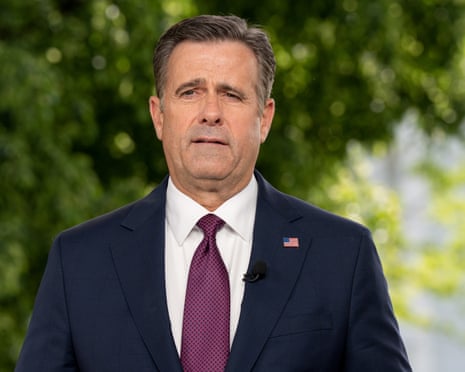
The Havana meeting takes place within the broader context of the Trump administration's increasingly hardline approach toward Cuba, which contrasts sharply with the previous administration's efforts to normalize relations. The fuel blockade imposed in January represents one of the most significant economic pressures applied to the island in recent years, affecting Cuba's ability to generate electricity and maintain essential services. Energy shortages have cascaded throughout the Cuban economy, impacting hospitals, transportation systems, and civilian access to basic utilities, creating a humanitarian crisis that has drawn international criticism.
Intelligence agencies and foreign policy experts have long recognized the strategic importance of maintaining dialogue with Cuba, despite the political sensitivities involved in such communications. Direct conversations between American and Cuban officials provide valuable opportunities for clarifying intentions, preventing miscalculations, and addressing issues of mutual concern, such as immigration, maritime security, and counterterrorism operations. The CIA's involvement in these discussions suggests that intelligence-level cooperation and information-sharing may be priorities for the United States government, even as broader diplomatic relations remain contentious.
The timing of Ratcliffe's diplomatic visit is particularly significant given the current geopolitical landscape in Latin America and the Caribbean. Cuban officials have expressed frustration with what they view as excessive American interference in their internal affairs and have pointed to the fuel blockade as evidence of economic warfare. The Cuban government has also highlighted what it describes as ongoing efforts by the United States to destabilize its government through various covert and overt means, creating a foundation of deep mistrust that complicates any negotiation efforts.

From the American perspective, concerns about Cuba's political system, alleged human rights violations, and its relationships with other actors like Russia, China, and Iran have justified a tougher stance. The Trump administration's foreign policy approach toward Cuba emphasizes economic pressure as a tool to encourage political change on the island. However, critics argue that such measures primarily harm ordinary Cuban citizens while strengthening the Cuban government's control and its ability to rally domestic support through nationalist sentiment.
The CIA director's visit to Cuba must be understood within the context of competing interests and strategies in American foreign policy. While the intelligence community may recognize the value of dialogue and information exchange, political leaders often prioritize public statements about confrontation and opposition to communist governments. This tension between operational-level cooperation and political-level confrontation has long characterized American engagement with Cuba, creating an often confusing and contradictory policy landscape.
Historical precedent suggests that even during the coldest periods of US-Cuba relations, some level of communication has been maintained through intelligence channels and diplomatic back-channels. The Cuban Missile Crisis, while terrifying in its potential for nuclear confrontation, was ultimately managed through careful communication and negotiation despite intense public rhetoric. These examples suggest that maintaining dialogue, even at minimal levels, can be critical for preventing dangerous escalations and misunderstandings.
The Cuban government's public acknowledgment of the CIA director's visit represents a calculated diplomatic move. By confirming the meeting and framing it as a potential opportunity for improved dialogue, Cuban officials signal their willingness to engage with American counterparts while maintaining their political independence and national dignity. This approach allows them to demonstrate flexibility without appearing to capitulate to American pressure or economic coercion, an important consideration for domestic political reasons.
Looking forward, the effectiveness of such diplomatic engagement will depend on whether both sides can translate preliminary conversations into substantive discussions about specific issues and potential areas of cooperation. The fuel blockade remains a major obstacle to improved relations, and Cuban officials are unlikely to engage in substantive negotiations without addressing this economic pressure. Similarly, American policymakers will want to ensure that any dialogue leads to tangible outcomes that align with their stated objectives regarding governance and human rights concerns.
The broader implications of this diplomatic meeting extend beyond the immediate bilateral relationship between the United States and Cuba. Regional observers in Latin America and the Caribbean are watching closely to see whether this represents a potential thaw in relations or merely tactical communication designed to manage the current confrontation. Many countries in the region have expressed concern about the humanitarian impact of the American fuel blockade and have called for dialogue and de-escalation, making successful negotiations beneficial for broader hemispheric stability.
The meeting also reflects ongoing debates within the American government about the most effective approach to dealing with regimes that Washington opposes. Some officials argue that economic sanctions and diplomatic isolation are counterproductive and only entrench political positions on both sides, while others believe that maintaining pressure is necessary to demonstrate resolve and commitment to stated principles. These competing perspectives will likely continue to shape American policy toward Cuba for the foreseeable future, creating uncertainty about the trajectory of bilateral relations.
In conclusion, the CIA director's visit to Havana represents an important moment in US-Cuba relations, signaling that both nations recognize the value of maintaining communication channels despite their profound differences. Whether this meeting leads to improved relations or simply represents a brief moment of dialogue amid ongoing confrontation remains to be seen. The coming weeks and months will reveal whether both sides are willing to take concrete steps toward de-escalation and whether substantive negotiations on key issues might be possible. For now, this diplomatic engagement serves as a reminder that even during periods of heightened tension, dialogue remains a critical tool for managing international relationships and preventing potentially dangerous misunderstandings.
Source: The Guardian


