
Civilization VII Test of Time Update Fixes Core Gameplay

The new Test of Time update for Civilization VII addresses player concerns by allowing single-civ gameplay while keeping innovative features that defined the launch.
The original promise of Sid Meier's Civilization was straightforward and compelling: "Build a civilization to stand the test of time." Since its debut over three and a half decades ago, this foundational concept has guided the Civilization franchise through seven major iterations, each building upon the strategic gameplay that made it a cornerstone of turn-based strategy gaming. The series has captivated millions of players worldwide with its addictive blend of empire-building, technological advancement, and diplomatic intrigue.
When Civ 7 launched, it introduced a controversial new mechanic that fundamentally altered the gameplay experience. The game required players to change civilizations twice during a single playthrough, forcing them to abandon their initial nation and adopt new ones as they progressed through different eras. This departure from tradition sparked considerable debate within the community, as many longtime fans felt it violated the core promise that had defined the franchise for decades. Players took to forums and social media, expressing their frustration that they were no longer truly building a civilization to stand the test of time, but rather constantly reinventing themselves.
The backlash was immediate and substantial, with critics arguing that the forced civilization switching mechanic undermined the emotional investment players developed with their chosen nation. Veterans of the series worried that this fundamental change represented a concerning direction for the franchise's future. Some questioned whether the series that had dominated strategy gaming for 35 years could recover from such a misstep. Industry observers began speculating about whether Civ 7's controversial launch would damage the franchise's reputation irreparably.
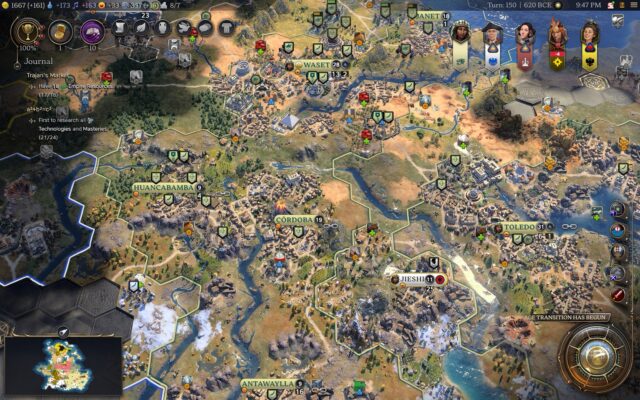
Today, developer Firaxis Games is taking direct action to address these concerns with a major update titled "Test of Time," a name that carries unmistakable significance given the franchise's original promise. This substantial update represents far more than a minor patch or balance adjustment; it constitutes a comprehensive reworking of several critical game systems that were central to Civ 7's original design. The developers have clearly listened to community feedback and are committed to preserving the franchise's identity while maintaining the innovative elements that the launch introduced.
The most notable change coming in the Test of Time update is the reintroduction of the ability to play a single civilization from the game's beginning through to its conclusion. This restoration addresses the primary concern of veteran players who felt disconnected from their nation's journey. By allowing players to maintain their chosen civilization throughout an entire game, the update restores the sense of long-term investment and personal connection that has always been central to the Civilization experience. Players can now once again pursue the original promise of building an empire that truly stands the test of time.
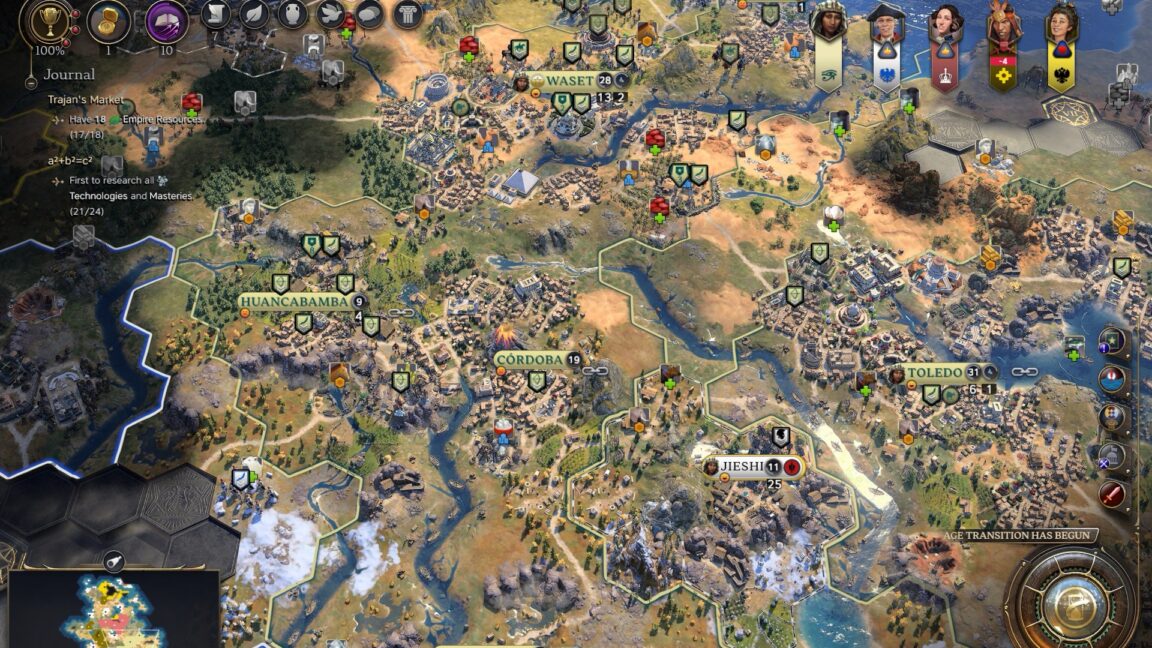
Remarkably, this shift doesn't require abandoning all the new ideas that defined Civ 7's initial release. The developers have carefully balanced these competing desires by retaining several of the innovative mechanics that provided fresh gameplay possibilities while restoring the ability to maintain single-civ gameplay from start to finish. This thoughtful compromise suggests that Firaxis has found a way to satisfy both longtime fans seeking traditional gameplay and newer players who appreciate the experimental direction the launch took.
The Test of Time update includes reworks to multiple fundamental game systems beyond just the civilization-switching mechanic. The developers have revisited core elements including technological progression, cultural advancement, military systems, and diplomatic interactions. Each of these systems has been adjusted to ensure that single-civ gameplay remains engaging and rewarding throughout all eras of play. The comprehensive nature of these changes indicates that the developers aren't simply reverting to a previous formula, but rather creating an entirely new experience that honors the franchise's legacy.
Community response to the announcement has been cautiously optimistic, with many longtime fans expressing renewed interest in the franchise. The update addresses fundamental concerns that plagued the launch while demonstrating that the developers understand what made previous Civilization games resonate with players. Gaming forums and social media channels have seen a resurgence of discussion about the series, with players eager to experience how the new systems will impact their strategic decision-making and long-term gameplay progression.
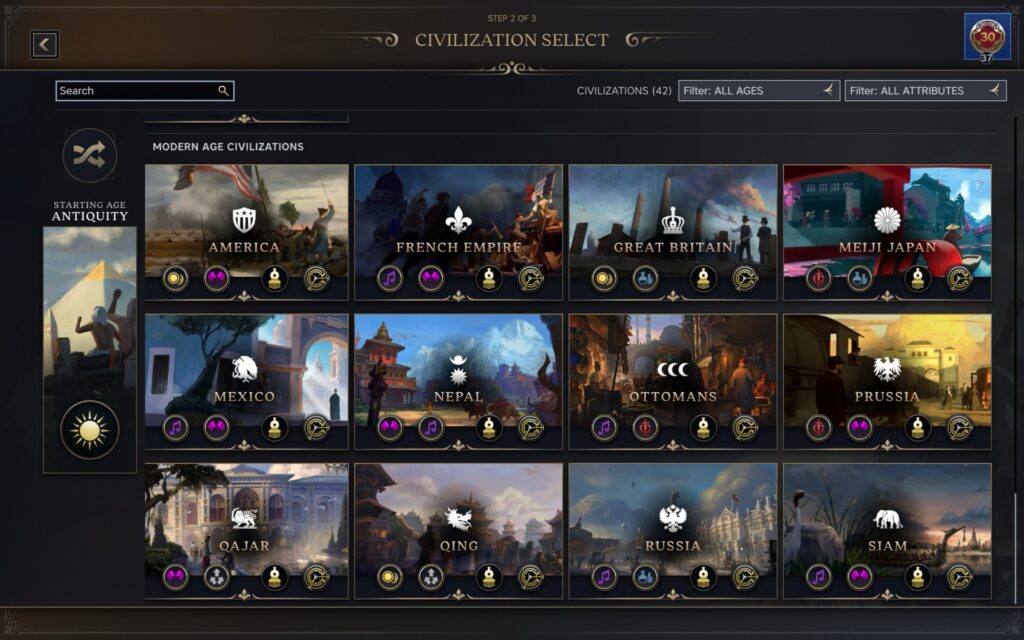
The timing of this major update is particularly significant given the franchise's trajectory. Just months after a launch that generated considerable controversy, the developers are demonstrating commitment to course-correction without abandoning their creative vision entirely. This balanced approach could serve as a model for how live-service games and frequently-updated titles should respond to community criticism. Rather than completely reverting to the old formula or doubling down on controversial changes, Firaxis has attempted to synthesize the best elements of both approaches.
Looking forward, the Test of Time update may prove to be a pivotal moment for Civ 7 and the broader Civilization franchise. If the new systems succeed in creating engaging, long-form gameplay while maintaining the innovative elements from launch, the series could recover from its rocky start and establish itself for another era of dominance in the strategy gaming space. The update represents an opportunity for the game to fulfill its original promise while moving the franchise forward in meaningful ways. For players who felt alienated by the original design, this update signals that their concerns were heard and taken seriously by the development team.
Source: Ars Technica


