
Clarence Carter, Soul Legend, Dies at 90

Soul music pioneer Clarence Carter, known for hits like 'Patches' and 'Slip Away,' passes away. The blind-from-birth artist left an indelible mark on music history.
Clarence Carter, the legendary soul music icon whose powerful voice and emotional delivery captivated audiences worldwide for over six decades, has passed away at the age of 90. His management company officially confirmed his death to the Guardian, revealing that the pioneering singer-songwriter died on Wednesday after battling complications related to pneumonia. The loss marks the end of an extraordinary era in soul and rhythm-and-blues music, leaving behind a rich legacy that continues to influence artists across multiple generations.
Carter's career spanned from the 1960s through the early 2000s, during which he established himself as a formidable force in the soul music landscape. Despite being blind from birth, a condition that might have limited opportunities for many artists in that era, Carter refused to let physical limitations define his artistic potential. Instead, he channeled his experiences and emotions into his music, creating deeply resonant performances that touched the hearts of millions. His determination and talent became an inspiration to countless musicians and fans who admired his unwavering commitment to his craft.
Among his most celebrated achievements was the 1970 transatlantic hit "Patches," a poignant song that became one of the defining tracks of the early 1970s soul movement. The song showcased Carter's ability to convey profound emotion and storytelling through his rich, distinctive vocal style. "Patches" achieved remarkable commercial success, climbing charts on both sides of the Atlantic and establishing Carter as a major international recording artist. The track remains one of the most recognizable soul songs of the decade and continues to be celebrated by music historians and enthusiasts.
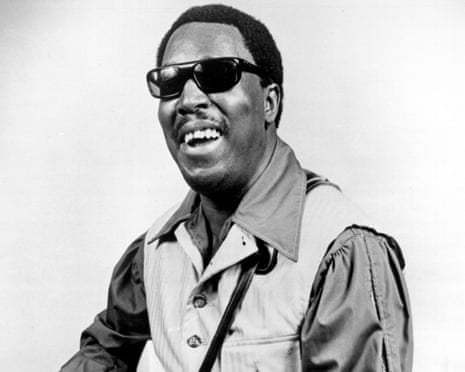
Beyond "Patches," Carter's discography was populated with numerous other memorable hits that solidified his status as a soul music virtuoso. "Slip Away," another of his signature songs, became a beloved classic that demonstrated his versatility as a performer. The track highlighted his ability to deliver both energetic, upbeat performances and intimate, emotionally charged ballads with equal mastery. His smooth vocal delivery and impeccable timing made each song a memorable listening experience, whether recorded or performed live.
"Back Door Santa" represented another successful entry in Carter's extensive catalog of hits, showcasing his range across different styles within the soul and R&B genres. This track, along with others he recorded throughout his prolific career, earned him respect from peers and admiration from fans who appreciated his authentic approach to soul music. Carter never compromised his artistic integrity for commercial appeal, instead choosing to record songs that resonated with his personal values and musical sensibilities.
Carter's personal life was also intertwined with the music industry, most notably through his marriage to Candi Staton, who herself became a successful soul and gospel artist. Their relationship brought together two talented musicians who understood the demands and rewards of a career in the performing arts. Though they later divorced, both continued their successful recording and performing careers, contributing significantly to the soul music genre's evolution and cultural impact.
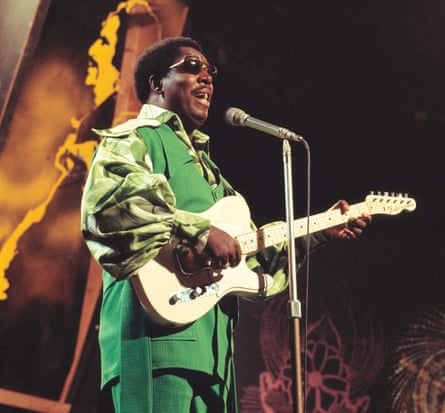
The soul music community's reaction to Carter's passing has been one of profound sadness mixed with celebration of his remarkable life and contributions. Fellow musicians, producers, and music industry professionals have expressed their condolences while reflecting on Carter's influence on their own work. Many have noted how his determination to succeed despite his blindness challenged societal perceptions about disability and artistic capability, making him a cultural icon beyond just the music world.
Throughout his life, Carter remained active in the music industry, continuing to perform at various venues and recording new material even in his later years. His dedication to his craft never waned, and he maintained a connection with his fanbase through live performances and appearances at music festivals and celebrations dedicated to soul music heritage. His presence at these events served as a reminder of soul music's golden era and the artists who helped shape American popular music.
Carter's legacy extends far beyond the commercial success of his hit songs. He helped define the soul music sound of the 1970s and influenced subsequent generations of artists who drew inspiration from his vocal style, emotional delivery, and authentic approach to songwriting and performance. His influence can be heard in the work of contemporary soul and R&B artists who cite him as a major inspiration for their careers.
The music industry will remember Clarence Carter as one of the truly great souls whose voice brought joy, comfort, and inspiration to millions around the world. His achievements as a blind artist who not only succeeded but thrived in a competitive industry serve as a testament to human resilience and the power of artistic talent. As fans and colleagues remember his contributions, his music continues to play an important role in preserving the rich history of American soul music.
Clarence Carter's death represents the loss of a significant figure in music history, but his legacy remains vibrant through his recorded work and the impact he had on the lives of those who knew him personally and the countless listeners who connected with his music. Future generations will continue to discover his timeless recordings and understand his importance in the development of soul music as an art form. His life story—overcoming blindness to achieve international success—stands as an enduring inspiration in the annals of popular music history.
Source: The Guardian


