
Clearing Toxic Boat Graveyards in Cornwall

One engineer's crusade to remove 166 abandoned fibreglass yachts poisoning Cornish creeks and harming marine life with plastic debris.
The scenic waterways of Cornwall's Helford and Fal rivers face an environmental crisis that few visitors notice beneath the picturesque surface. Hidden among the tranquil creeks are 166 abandoned fibreglass yachts in various states of decay, slowly leaching dangerous toxins and plastic particles into the marine ecosystem. These rotting vessels represent a silent environmental catastrophe, threatening the health of countless aquatic organisms and disrupting the delicate balance of one of England's most ecologically sensitive regions.
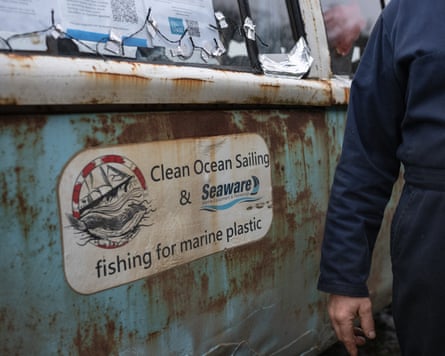
Steve Green, a dedicated boat engineer from Cornwall, has made it his personal mission to address this growing environmental threat. Armed with an unconventional weapon—a modified Volkswagen campervan named Cecil that runs on recycled cooking oil from local pubs—Green has become a one-man environmental cleanup force. The vehicle, which features an ingenious crane and winch system mounted on its front, represents an innovative approach to tackling marine pollution. Despite its somewhat ramshackle appearance and questionable road worthiness, Cecil has proven to be exactly what's needed to extract these hazardous vessels from their watery graves.
The ecological implications of these fibreglass boat wrecks are far more serious than many realize. Marine biologists studying the impact have made alarming discoveries about the damage these vessels cause to sea creatures. Thousands of fibreglass shards have been found embedded in the flesh of fish, crustaceans, and other marine animals inhabiting areas near wreck sites. The comparison drawn by environmental scientists to asbestos—a notoriously toxic substance with severe health consequences for living organisms—underscores the gravity of the situation and highlights why immediate action is so critical.
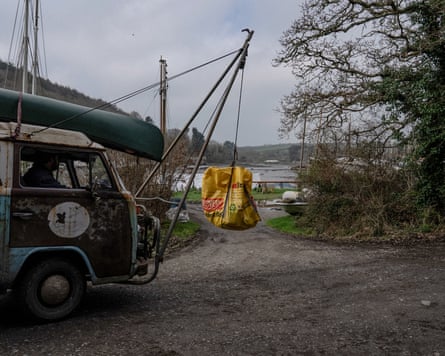
Green's determination to clean up these waterways stems from a deep understanding of both marine engineering and environmental responsibility. As someone with extensive experience in boat construction and repair, he recognizes the inherent dangers posed by deteriorating fibreglass vessels. Unlike traditional materials that break down naturally, fibreglass is essentially a permanent pollutant once released into the environment. The resin and reinforcing materials used in boat construction can persist for decades, continuously shedding microscopic and visible particles that contaminate the water column and settle into marine sediments.
The story of Green's environmental work began in an unexpected way. Just before Christmas, local police pulled over the eccentric engineer as he navigated his heavily laden vehicle through the countryside toward Truro. Towing an especially dilapidated yacht behind his unusual campervan, Green must have presented quite a sight to officers. However, no traffic violations had occurred—Green simply hadn't broken any laws in his quest to rescue these vessels from their watery prisons. What he had done was transform an ordinary VW campervan into something decidedly extraordinary, adding equipment that the original vehicle designers at Volkswagen certainly never envisioned when they first drew up the plans decades ago.
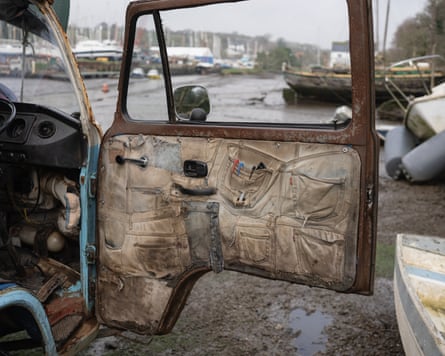
The technical specifications of Cecil reveal the ingenuity behind this environmental cleanup initiative. The vehicle features a sophisticated detachable crane system mounted on its front, allowing Green to lift and transport hefty fibreglass vessels and bags of collected waste materials. The campervan's sustainability credentials are equally impressive—it runs on donated used cooking oil collected from restaurants and pubs throughout Cornwall, making it not just an environmental solution but powered by renewable resources. The interior upholstery has been fashioned from recycled denim, further reinforcing the philosophy of reusing and repurposing materials rather than contributing to waste streams.
The scope of the cleanup challenge facing Green and his team is substantial. With 166 identified abandoned vessels requiring removal from Cornish waterways, the project represents months of dedicated work ahead. Each yacht must be individually assessed, carefully extracted from the creek beds where they've settled, and transported to appropriate recycling or disposal facilities. The process demands not just physical labor but technical expertise—knowing how to safely handle deteriorating fibreglass without accelerating its fragmentation, understanding the ecological sensitivity of the surrounding waters, and ensuring that the extraction process itself doesn't cause additional environmental damage.
Environmental organizations and marine conservation groups have increasingly focused attention on the problem of abandoned vessels in UK coastal waters. The issue extends far beyond Cornwall, with similar situations developing in marinas and anchorages around the country. However, the Helford and Fal rivers represent particularly sensitive ecological zones, designated for their unique biodiversity and special conservation status. These waterways support numerous species of fish, crustaceans, and marine mammals that have adapted to thrive in these specific environmental conditions. The introduction of toxic fibreglass particles represents a novel threat that these organisms have no evolutionary adaptation to handle.
Green's work has attracted attention from environmental activists and concerned citizens who recognize the validity of his mission. Supporters have contributed resources, including the donation of cooking oil to fuel Cecil and assistance with the physical extraction work. This grassroots support demonstrates growing public awareness of how marine pollution from abandoned boats affects local ecosystems. The project has become a symbol of individual action against environmental degradation—proof that one person with determination and creativity can make a tangible difference in protecting cherished natural spaces.
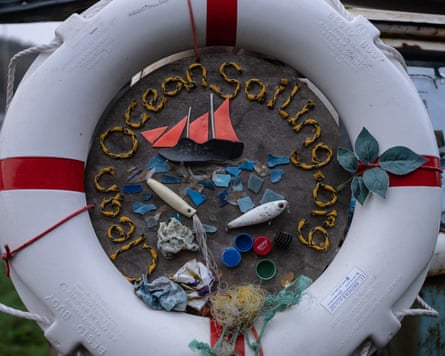
The scientific community continues to document the consequences of fibreglass pollution in marine environments. Research published in peer-reviewed journals has confirmed that plastic debris from boat wrecks causes physical harm to marine organisms, with fibreglass fragments accumulating in digestive systems and becoming embedded in tissues. Beyond physical damage, the chemical compounds used in fibreglass production and the degradation products released as the material breaks down can have toxic effects on marine life. Fish populations in heavily affected areas show signs of stress, reduced reproductive success, and increased mortality rates—all indicators that the problem demands urgent intervention.
Looking forward, Green's mission represents both an immediate solution to a pressing environmental problem and a model for addressing similar issues elsewhere. The success of his project could inspire other communities facing abandoned vessel problems to develop comparable cleanup initiatives. Moreover, raising awareness about how deteriorating fibreglass boats poison waterways may encourage stricter regulations regarding vessel abandonment and stronger requirements for proper decommissioning of boats at the end of their service lives. By transforming an environmental crisis into an opportunity for positive action, Steve Green and his remarkable campervan demonstrate that committed individuals can indeed reverse ecological damage and restore health to precious natural environments.
Source: The Guardian


