
Climate Change Is Making Allergies Worse

Rising temperatures are extending pollen seasons and worsening allergies across the Northern Hemisphere. Learn how climate change affects millions of Americans.
For allergy sufferers across the nation, the annual spring season brings more than just blooming flowers and warmer weather—it increasingly brings extended misery. If you've noticed your allergies feeling worse each year, you're not imagining it. Climate change is fundamentally altering pollen seasons, making them longer, more intense, and more difficult for millions to manage.
The evidence is mounting from medical professionals on the front lines of patient care. Dr. Neelima Tummala, an accomplished ear, nose, and throat specialist at NYU Langone Health, has observed a troubling pattern in her practice year after year. Her patients consistently report that their allergies represent the worst they've experienced in their lifetimes, and research increasingly suggests these patient observations reflect a genuine biological reality rather than mere perception or heightened anxiety about seasonal symptoms.
The scope of the problem affects a staggering portion of the American population. Approximately one quarter of all US adults—roughly 25% of the adult population—suffer from seasonal allergies, while the condition impacts even younger demographics, affecting about 1 in 5 children nationwide. For these millions of individuals and families, the arrival of spring weather triggers a cascade of uncomfortable and potentially dangerous symptoms.
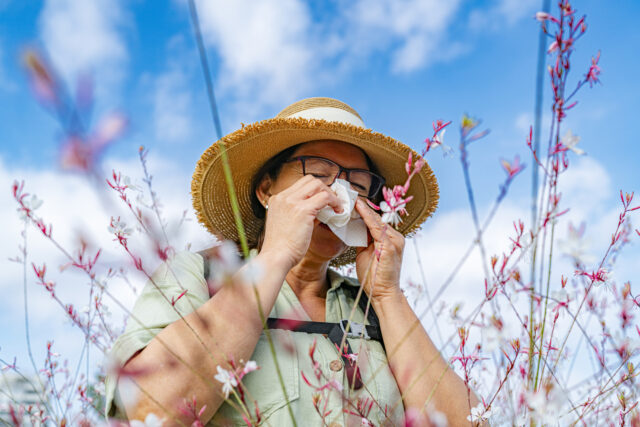
The symptoms experienced by allergy sufferers range widely in severity and type. Common manifestations include persistent sniffles and nasal congestion that disrupts daily activities and sleep patterns. Many patients report itchy, watery eyes that make concentrating on work or school challenging. Others experience asthma exacerbation, where airway inflammation worsens during high pollen seasons, causing breathing difficulties and chest tightness. For some individuals, the effects remain relatively mild and manageable with over-the-counter medications.
However, for a concerning subset of the population, seasonal allergies can escalate into serious medical emergencies. Severe allergic reactions, anaphylaxis, and uncontrolled asthma attacks triggered by extreme pollen exposure can require emergency room visits and hospitalization. The economic burden is substantial, encompassing direct medical costs, lost productivity at work and school, and reduced quality of life during peak allergy months.
Climate change impacts pollen production through multiple interconnected mechanisms. Rising temperatures cause plants to produce pollen earlier in the year and in greater quantities. The extended warm season means that plants remain in bloom longer than historically typical, pushing pollen season from weeks into months. Additionally, higher atmospheric CO2 concentrations directly stimulate plant growth and reproduction, leading to increased pollen generation across numerous plant species.
The geographic distribution of allergenic plants is also shifting due to warming temperatures and changing precipitation patterns. Plants that previously could only survive in southern regions are now establishing populations further north, expanding the range of allergen-producing species across the continent. This northward migration means that communities previously spared from certain plant allergens now find themselves contending with new pollen sources.
Research institutions and environmental organizations have been documenting these changes with increasing rigor. Long-term studies tracking pollen counts, plant phenology (the timing of plant life cycle events), and allergy hospital admissions all point toward worsening conditions in the Northern Hemisphere. The Intergovernmental Panel on Climate Change and numerous peer-reviewed studies have identified longer allergy seasons as a direct consequence of climate warming.
Urban environments present particular challenges. Cities tend to be warmer than surrounding rural areas—an effect called the urban heat island phenomenon—which can extend pollen seasons even further in metropolitan regions. Additionally, air pollution interacts with pollen and allergens, potentially making them more allergenic and causing greater immune system responses in susceptible individuals.
The implications extend beyond individual discomfort. Schools and workplaces report decreased productivity during peak allergy seasons. The healthcare system faces increased burden from allergy-related visits, prescriptions, and emergency treatments. Public health officials are beginning to recognize allergies as an increasingly significant public health concern that warrants attention and resources previously directed toward other conditions.
For individuals managing seasonal allergies, the changing climate presents challenges that standard treatments may not adequately address. Traditional antihistamines, nasal steroids, and immunotherapy may require adjustment or intensification as pollen seasons grow more severe. Some allergists are exploring new treatment approaches and counseling patients about strategies to minimize exposure during extended high-pollen periods.
Looking forward, the trajectory appears concerning without substantial intervention. Climate models project further warming over coming decades, which will likely intensify the trends already being observed. Allergy management in a warming world will require multifaceted approaches combining individual protective measures, medical innovation, and broader climate mitigation efforts to reduce greenhouse gas emissions and slow the rate of planetary warming.
The connection between climate change and worsening allergies exemplifies how environmental shifts affect human health in direct and measurable ways. What patients like those of Dr. Tummala are experiencing represents not psychological perception but biological reality shaped by our changing planet. As awareness of this link grows, both the medical community and the broader public are beginning to understand that addressing climate change is not merely an environmental imperative—it is also a public health necessity that will benefit millions suffering from seasonal allergies.
Source: Ars Technica

