
Climate Crisis Hits Europe: Extreme Weather Claims Lives

As extreme weather worsens across Europe, tragic floods in Spain highlight the deadly consequences while voices grow louder for rolling back climate rules.
Across Europe, a troubling pattern emerges as extreme weather events intensify in both frequency and severity, yet paradoxically, political movements advocating for the dismantling of environmental protections gain unprecedented momentum. The continent finds itself at a crossroads where scientific evidence of accelerating climate change collides with growing resistance to the policies designed to address it. This contradiction has created a dangerous dynamic where lives are lost to climate-fueled disasters while regulatory frameworks meant to prevent such tragedies face systematic erosion.
The stark reality of this crisis manifested tragically during the traditionally peaceful period between Christmas and New Year's Eve, when two lifelong friends from a small Spanish town became victims of what meteorologists increasingly classify as a climate-related extreme weather event. Francisco Zea Bravo and Antonio Morales Serrano, both men in their early fifties who had been inseparable since their childhood days, represented the kind of community pillars that small towns depend upon for their cultural and social fabric.
Francisco, a dedicated mathematics educator, was known throughout Alhaurín el Grande not only for his patient teaching methods but also for his active participation in the local literary community through the town's book club. His evenings were often spent either discussing classic literature with fellow readers or rehearsing with his rock band, where his passion for music provided a creative outlet that endeared him to residents across generational lines. Meanwhile, Antonio had built a reputation as one of the area's most beloved entrepreneurs, operating a bustling cafe and ice-cream parlour that served as an informal community center where locals gathered to share news, celebrate milestones, and maintain the social connections that define small-town life.
On the evening of Saturday, December 27th, these two men made what should have been a routine decision to join friends for dinner at a restaurant in nearby Málaga. The coastal city, famous for its vibrant culinary scene and historic architecture, was a frequent destination for residents of surrounding towns seeking an evening of good food and companionship. The drive between Alhaurín el Grande and Málaga typically takes less than an hour along well-maintained roads that wind through the picturesque Andalusian countryside.
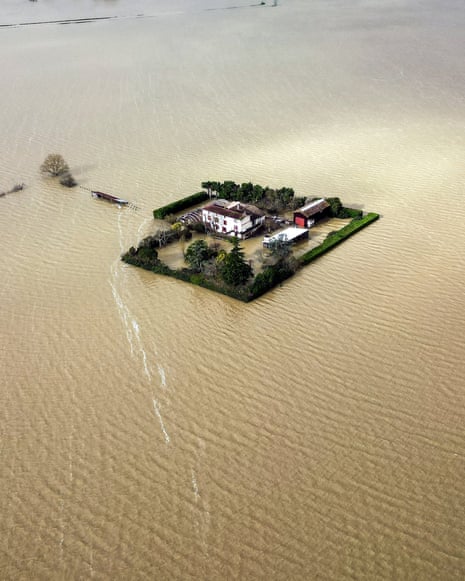
However, as Francisco and Antonio began their journey home that night, the meteorological conditions that had been building throughout the day reached a critical threshold. What had started as typical winter precipitation rapidly intensified into the kind of extreme rainfall event that climate scientists have repeatedly warned is becoming increasingly common across the Mediterranean region. The usually placid Fahala River, which normally flows gently through the landscape as a minor waterway that locals barely notice, began to swell with unprecedented volume and velocity.
The transformation of this modest river into what local mayor would later describe as an "uncontrollable torrent" exemplifies the kind of rapid-onset flooding that has become a signature characteristic of climate change-related weather patterns. Unlike historical flood events that typically developed over days or weeks, allowing communities time to prepare and evacuate, these modern climate-fueled incidents can escalate within hours, catching even experienced drivers completely off-guard.
Emergency response teams launched their search operations immediately after the men failed to return home, but the challenging conditions created by the ongoing storm significantly hampered rescue efforts. The discovery of their overturned van the following day marked the beginning of what would become an agonizing search operation that gripped the entire community. Local residents, police officers, emergency responders, and volunteers worked tirelessly through difficult terrain and dangerous conditions, driven by the desperate hope that Francisco and Antonio might have somehow survived the accident.
The eventual recovery of their bodies represented not just a personal tragedy for two families and their circle of friends, but a stark symbol of how climate change impacts are increasingly affecting ordinary Europeans going about their daily lives. These were not adventurers seeking extreme experiences or individuals who had ignored weather warnings; they were simply two middle-aged men driving home from dinner on roads they had traveled countless times before.
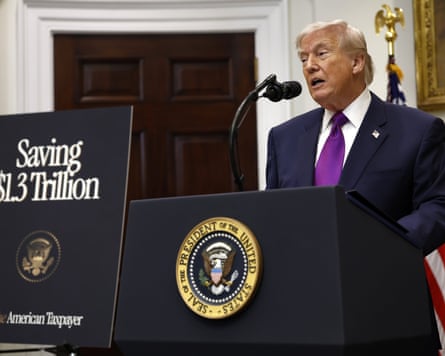
This tragic incident occurs against a broader European backdrop where the scientific consensus on accelerating climate change stands in sharp contrast to growing political resistance to environmental regulations. Across multiple European nations, populist movements and traditional conservative parties have increasingly adopted platforms that characterize environmental policies as economically burdensome obstacles to prosperity rather than necessary safeguards against climate-related disasters.
The voices calling for the systematic rollback of climate protection measures have not only grown louder in recent years but have also gained significant political influence through electoral victories and coalition partnerships. These movements often frame environmental regulations as threats to national sovereignty, economic competitiveness, and individual freedom, while downplaying or outright denying the mounting evidence of climate-related risks to public safety.
This political dynamic creates a particularly dangerous situation because it undermines the long-term planning and sustained investment required to build resilience against increasingly severe weather events. Infrastructure improvements, early warning systems, flood management projects, and emergency response capabilities all require consistent funding and political support over multiple electoral cycles. When environmental policies become political footballs, the continuity necessary for effective climate adaptation becomes nearly impossible to maintain.
The irony is that Europe has experienced a dramatic increase in weather-related casualties and economic losses precisely during the period when anti-environmental political messaging has gained traction. From the devastating floods that struck Germany and Belgium in 2021, killing over 200 people, to the record-breaking heatwaves that have repeatedly shattered temperature records across the continent, the evidence of accelerating climate crisis impacts continues to mount even as political will to address root causes appears to be weakening in many countries.
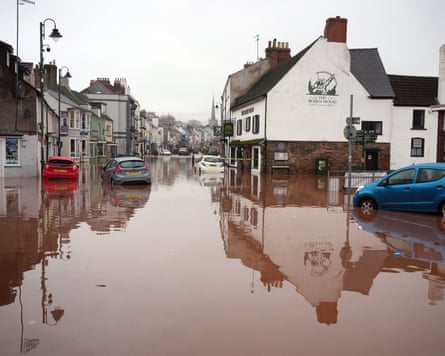
Meteorological data from across Europe reveals a clear pattern of intensifying precipitation events, with rainfall becoming more concentrated into shorter time periods while drought conditions persist for longer stretches between storms. This creates a particularly dangerous combination where soil becomes less capable of absorbing water during intense rainfall events, leading to more severe flooding even in areas that historically experienced manageable water levels.
The Mediterranean region, where Francisco and Antonio lost their lives, represents a particularly vulnerable zone where these climate trends converge with geographic and demographic factors that amplify risk. The mountainous terrain that characterizes much of southern Spain naturally channels floodwaters into valleys where many communities are located, while decades of development have often failed to account for changing precipitation patterns.
Urban planning decisions made during earlier decades, when climate change was less understood and extreme weather events were less frequent, now leave many European communities exposed to risks that were not adequately considered during the design and construction of critical infrastructure. Roads, bridges, drainage systems, and emergency evacuation routes often reflect outdated assumptions about normal weather patterns that no longer apply under current climatic conditions.
The challenge facing European policymakers is that effective climate adaptation requires not just acknowledgment of changing risks, but sustained commitment to expensive and sometimes disruptive infrastructure improvements. Upgrading drainage systems, reinforcing bridges, improving flood barriers, and redesigning transportation networks to handle extreme weather requires the kind of long-term investment that becomes politically difficult when environmental policies are under constant attack.
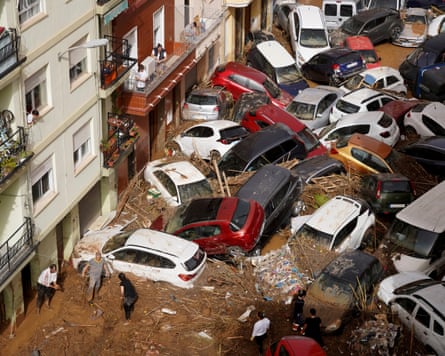
Climate scientists emphasize that the types of extreme weather events responsible for tragedies like the one that claimed Francisco and Antonio's lives are not isolated incidents but rather components of a broader pattern that will continue intensifying without significant action to address underlying causes. The greenhouse gas emissions that drive climate change continue to accumulate in the atmosphere, ensuring that weather patterns will become increasingly unstable regardless of short-term political developments.
This scientific reality creates a particular urgency around European climate policy because the window for preventing the most catastrophic impacts continues to narrow with each passing year. While some level of additional climate change is now unavoidable due to past emissions, the difference between manageable and catastrophic outcomes still depends heavily on policy decisions being made today across European capitals.
The growing influence of climate denial and environmental policy rollback movements therefore represents not just a political phenomenon but a direct threat to public safety. Every delay in implementing comprehensive climate policies, every weakening of environmental regulations, and every reduction in funding for climate adaptation measures increases the likelihood that more Europeans will face the kind of deadly circumstances that Francisco and Antonio encountered on their drive home from dinner.
As Europe grapples with this fundamental tension between scientific evidence and political resistance, the memory of two friends who simply wanted to share a meal with companions serves as a powerful reminder that climate change consequences affect real people living ordinary lives. Their story illustrates how the abstract concept of global warming translates into concrete dangers that can transform routine activities into life-threatening situations without warning.
Source: The Guardian


